Hydro Vac Excavation, Texas Clay Digging: Why Hydro Vac Outperforms Traditional Excavation
Texas clay soil creates some of the toughest excavation conditions in the country. In dry weather, it can harden into dense, compacted ground. After rain, it can swell, become sticky, and create unstable digging conditions. For contractors, municipalities, utility companies, and industrial facilities, these conditions make hydro vac excavation in Texas a safer, cleaner, and more precise alternative to traditional mechanical digging.
Hydro vac excavation, also called hydrovac excavation, vacuum excavation, or non-destructive excavation, uses pressurized water to break up soil and a powerful vacuum system to remove the material. This makes it especially effective for Texas clay excavation, utility potholing, daylighting, trenching, and digging around buried infrastructure.
Quick Answer: Why Is Hydro Vac Better for Texas Clay?
Hydro vac excavation outperforms traditional digging in Texas clay because pressurized water can cut through both hard, dry clay and wet, sticky clay without using aggressive mechanical force. The vacuum system removes soil immediately, reducing surface mess, improving precision, and lowering the risk of utility strikes, trench instability, and project delays.
Key Takeaways
- Texas clay is difficult to excavate because it shrinks, swells, hardens, and holds moisture.
- Hydro vac excavation is non-destructive, making it safer near gas lines, water mains, fiber, electrical conduit, and pipelines.
- Hydrovac services in Texas are ideal for potholing, daylighting, slot trenching, and utility exposure.
- Traditional excavation can increase utility strike risk in dense underground corridors.
- Adler Hydro Vac provides Texas hydro excavation services for contractors, municipalities, utilities, oil and gas, and industrial facilities.
The USDA Natural Resources Conservation Service Web Soil Survey provides official soil data used for planning construction, infrastructure, and land-use projects. Texas includes large areas of clay-rich soils that require careful excavation planning.
What Makes Texas Clay So Difficult to Excavate?
Texas contains many soil types, but clay-heavy regions are especially challenging for construction and utility work. Expansive clay soils can shrink during drought and swell after rainfall, creating movement that affects foundations, underground utilities, trenches, and excavation walls.
The Blackland Prairie and Texas Expansive Clay
The Texas Blackland Prairie stretches through major growth corridors, including the Dallas-Fort Worth region, Waco, Austin, and San Antonio. The USDA NRCS Texas General Soil Map identifies Blackland Prairie soils as clayey soils with shrink-swell properties in parts of the region.
For excavation projects, this means soil conditions can change dramatically depending on moisture:
- Dry Texas clay: Hard, compacted, and difficult for mechanical equipment to penetrate.
- Wet Texas clay: Sticky, heavy, unstable, and difficult to handle as backfill.
- Seasonal shrink-swell cycles: Repeated soil movement can affect underground infrastructure and trench stability.
Houston Gumbo Clay and Gulf Coast Conditions
In the Houston area, clay soils can retain moisture and remain soft after storms. That creates challenges for open trenching, backfilling, and heavy equipment access. In flat, flood-prone areas, controlling soil disturbance and runoff is also important.
The U.S. Environmental Protection Agency identifies sediment as a major pollutant of concern in construction site stormwater runoff. Hydro vac excavation helps limit the excavation footprint and contains removed soil in the truck’s debris tank.
Central Texas Clay, Caliche, and Limestone
Austin, San Antonio, and Central Texas projects often encounter changing soil layers, including clay, caliche, and limestone conditions. These mixed ground conditions make excavation planning more complex and increase the value of precise, controlled digging methods like hydro vacuum excavation.
Why Traditional Excavation Struggles in Texas Clay
Hard Clay Slows Mechanical Excavation
During hot, dry Texas summers, clay soils can become extremely compacted. Backhoes, trackhoes, and mechanical excavators may require repeated passes to break through hardened ground, increasing fuel use, equipment wear, and labor time.
Wet Clay Creates Unstable Conditions
After rain, Texas clay can become slick, sticky, and unstable. Soil may cling to buckets and blades, slow production, and increase cleanup time. Wet clay can also create unstable trench walls and increase safety concerns.
The Occupational Safety and Health Administration states that trench collapses, or cave-ins, pose the greatest risk to workers in trenching and excavation. OSHA emphasizes protective systems such as sloping, shoring, and shielding when required.
Mechanical Digging Increases Utility Strike Risk
Texas cities are full of underground gas, water, sewer, fiber optic, electric, and telecommunications infrastructure. Mechanical excavation equipment can damage buried utilities quickly if a line is unmarked, mismarked, shallow, or unexpected.
Before excavation, Texas law requires excavators to contact 811. Texas811 states that excavators must contact 811 at least two business days before digging, excluding weekends and holidays.
After utilities are marked, hydro excavation daylighting and potholing services help visually verify utility depth and location before larger excavation begins.
Traditional Excavation Requires More Space
Mechanical excavation often requires large equipment, spoil piles, staging space, and access routes. That can be difficult in tight Texas job sites such as urban streets, industrial facilities, refinery corridors, commercial properties, and roadway projects.
What Is Hydro Vac Excavation?
Hydro vac excavation is a non-destructive digging method that uses pressurized water and industrial vacuum suction to excavate soil. The water breaks up the ground, and the vacuum removes the soil slurry into a debris tank.
How Hydro Vac Excavation Works
- Pressurized water breaks up soil in a controlled area.
- The vacuum system removes the slurry through a hose.
- Material is stored in the truck’s debris tank instead of being piled around the excavation.
- Utilities can be exposed visually without direct mechanical contact.
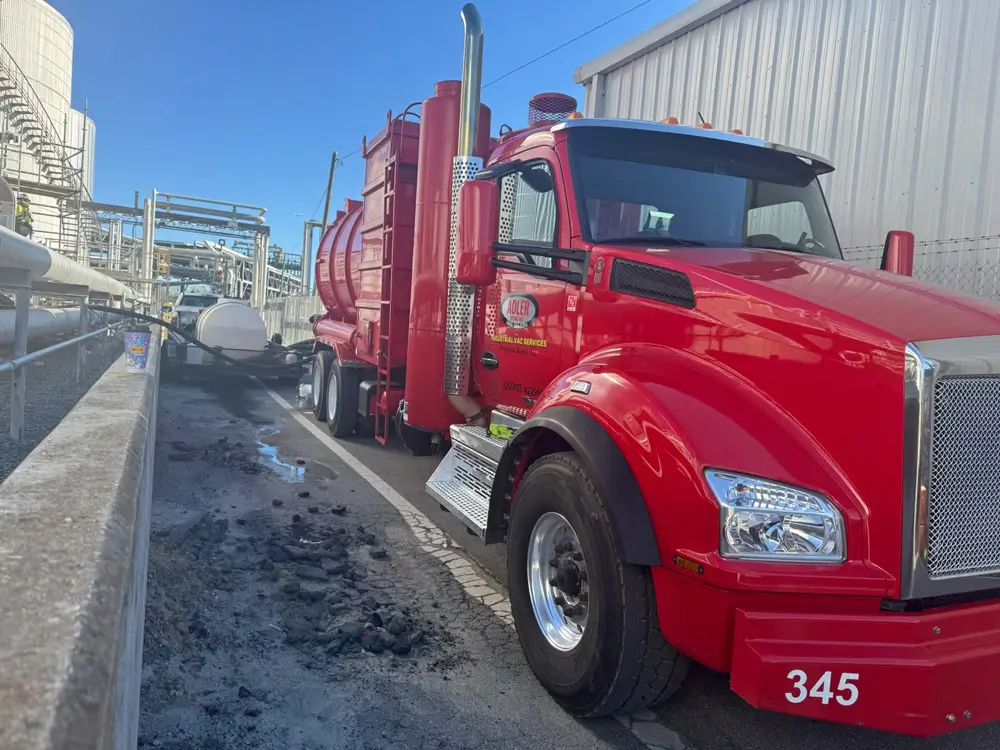
Adler Hydro Vac provides hydrovac excavation trucks and services for contractors, utilities, municipalities, industrial sites, and energy-sector projects.
Why Hydro Vac Excavation Outperforms Traditional Digging in Texas Clay
1. Hydro Vac Handles Hard and Wet Clay Conditions
Pressurized water can cut through dry, compacted clay without the brute force required by mechanical equipment. It also works in wet clay by breaking up soil and removing it as slurry, instead of pushing sticky material around the site.
This makes hydro excavation in Texas clay more predictable across changing weather conditions.
2. Hydro Vac Reduces Utility Strike Risk
Hydrovac excavation is ideal for digging around underground utilities because it removes soil without using a metal bucket or blade near the utility. This is why hydro vac is commonly used for utility locating support, potholing, and daylighting.
The OSHA trenching and excavation eTool recommends planning ahead and contacting utilities before digging to locate underground lines. Hydro vac adds another layer of protection by safely exposing those lines before mechanical excavation proceeds.
3. Hydro Vac Supports Safer Excavation Practices
Because hydro vac excavation is controlled and precise, it can reduce over-excavation and unnecessary ground disturbance. It also removes excavated material immediately, helping keep the work area cleaner and easier to manage.
For utility exposure and small test holes, hydro vac potholing in Texas can reduce the amount of open excavation compared with traditional methods.
4. Hydro Vac Works in Tight or Congested Areas
Hydrovac trucks can often excavate from a distance using long hoses and booms. This allows crews to work in areas where traditional equipment may not fit, including:
- Urban utility corridors
- Industrial plants
- Refineries and energy facilities
- Roadway shoulders
- Commercial properties
- Landscaped areas
- Sites near live traffic
5. Hydro Vac Keeps Sites Cleaner
Traditional digging leaves spoil piles on site. In Texas clay, that excavated material can become difficult to reuse, especially if it gets wet or contaminated with debris. Hydro vac systems collect material in the truck’s tank, reducing surface mess and helping maintain cleaner work zones.
6. Hydro Vac Helps Control Environmental Disturbance
Because hydro vac excavation uses a targeted digging area and contains removed soil, it can help reduce sediment movement and surface disruption. This is especially useful near stormwater systems, waterways, regulated construction sites, and environmentally sensitive areas.
For highway, drainage, and roadway work, Adler also provides hydro excavation highway cleaning and stormwater-related vacuum support.
Key Hydro Vac Applications in Texas
Utility Daylighting and Potholing
Hydro vac is widely used to expose buried utilities before construction. Adler provides daylighting services and potholing services to verify utility depth, location, and condition.
Pipeline Construction and Oil & Gas Support
Texas oil and gas sites require careful excavation around pipelines, electrical systems, and buried infrastructure. Adler supports these projects with hydro excavation for oil and gas in Texas.
Municipal Infrastructure Work
Hydrovac services support water, sewer, storm drain, and utility maintenance projects for municipalities and public works teams.
Industrial Facility Excavation
Industrial plants, refineries, terminals, and manufacturing facilities often have congested underground utility networks. Hydro vac excavation helps expose infrastructure without unnecessary mechanical damage risk.
Slot Trenching and Utility Installation
Hydro vac can create narrow, controlled trenches for utility installation, conduit work, fiber, drainage improvements, and electrical projects.
Emergency Utility Repair
When underground utilities fail, hydro vac excavation can help crews safely expose damaged infrastructure for repair with less risk to nearby lines.
Hydro Vac in Texas: Regional Soil Challenges
Dallas-Fort Worth Hydro Vac Excavation
DFW sits in a region with expansive clay soils and rapid suburban growth. Contractors in Dallas, Fort Worth, Frisco, McKinney, Plano, Arlington, and surrounding communities often use hydro vac excavation for utility potholing, daylighting, and construction support.
Houston Hydro Vac Excavation
Houston’s clay soils, flat terrain, industrial corridors, and frequent stormwater challenges make hydrovac excavation especially valuable. Hydro vac is useful for refinery work, utility exposure, port-area projects, and municipal infrastructure.
Austin Hydro Vac Excavation
Austin-area projects often involve a mix of clay, rock, existing utilities, and environmental sensitivity. Controlled, non-destructive excavation helps reduce site disturbance and improve utility verification.
San Antonio Hydro Vac Excavation
San Antonio projects may encounter clay, caliche, and limestone-influenced ground conditions. Hydrovac services help contractors work more precisely when soil layers and underground utilities create excavation challenges.
What to Look for in a Texas Hydro Vac Company
When choosing a hydro vac company in Texas, look for a provider with the right equipment, safety practices, and Texas soil experience.
- Hydrovac equipment capability: Trucks should be equipped for soil removal, utility exposure, and long-reach work.
- Texas-specific experience: Crews should understand clay, gumbo, caliche, and mixed ground conditions.
- Utility safety knowledge: Providers should know how to work around marked utilities and support 811 compliance.
- Emergency response capability: Utility and infrastructure problems do not always happen during business hours.
- Industrial and municipal experience: Texas projects often require coordination with public works, utilities, and industrial safety requirements.
Adler Hydro Vac provides hydrovac services in Texas for contractors, utilities, municipalities, oil and gas operators, and industrial facilities.
Adler Hydro Vac Services for Texas Excavation Projects
Adler Hydro Vac helps Texas project teams reduce excavation risk with non-destructive digging and industrial vacuum solutions.
- Hydrovac excavation
- Hydro vacuuming
- Daylighting utilities
- Potholing services
- Utility locating support
- Hydro vac excavation for Texas contractors
- Safe digging around underground utilities in Texas
- Industrial vacuum and excavation services
- Request a quote
Conclusion: Texas Clay Requires a Better Excavation Method
Texas clay can slow down traditional excavation, increase utility strike risk, complicate backfill, and create challenging safety conditions. Hydro vac excavation offers a smarter approach by using pressurized water and industrial vacuum power to remove soil safely, precisely, and efficiently.
For contractors, municipalities, utilities, and industrial teams, hydro vac excavation in Texas helps improve safety, reduce project delays, protect underground utilities, and handle difficult clay conditions more effectively than traditional digging.
To discuss hydrovac excavation, potholing, daylighting, or utility exposure for your Texas project, contact Adler Hydro Vac.
Frequently Asked Questions About Hydro Vac Excavation in Texas
What is hydro vac excavation?
Hydro vac excavation is a non-destructive digging method that uses pressurized water to break up soil and a vacuum system to remove the material into a debris tank.
Why is hydro vac better than traditional excavation in Texas clay?
Hydro vac works well in Texas clay because water can cut through both dry, compacted clay and wet, sticky clay while reducing mechanical force near underground utilities.
What is potholing in hydro excavation?
Potholing is the process of creating small, precise test holes to verify the depth and location of underground utilities before larger excavation begins.
What is daylighting in hydro excavation?
Daylighting is the process of safely exposing buried utilities so crews can visually confirm their location, depth, and condition before working nearby.
Does Texas require 811 before excavation?
Yes. Texas811 states that excavators must contact 811 at least two business days before digging, excluding weekends and holidays.
Where does Adler Hydro Vac provide hydrovac services in Texas?
Adler Hydro Vac supports hydrovac excavation, utility locating support, potholing, daylighting, and industrial vacuum services for Texas contractors, municipalities, utilities, and industrial facilities.