Hydro excavation is a safer and more precise way to dig near underground utilities, especially in Texas oil and gas environments where buried infrastructure, strict safety requirements, and challenging ground conditions all increase excavation risk. Instead of relying on mechanical digging alone, hydro excavation uses pressurized water and a vacuum system to expose underground lines with less chance of damage. This can help reduce safety incidents, project delays, and repair costs. For energy-sector projects that require controlled excavation, hydrovac excavation services provide a practical alternative to conventional digging.
Across Texas, hydro excavation is used for pipeline installation, maintenance, utility verification, facility upgrades, and other excavation tasks where precision matters. Services such as daylighting with hydro vac, soft dig vacuum excavation, and slot trenching excavation are especially useful in utility-dense or high-risk oil and gas work zones.
Traditional excavation methods can create serious risks on oil and gas sites. Mechanical equipment such as backhoes, trenchers, and excavators often lacks the precision needed around buried pipelines, electrical systems, and communication lines. This is especially true in areas with legacy infrastructure, incomplete records, or congested underground corridors.
In these environments, even a small utility strike can create major safety problems, including gas leaks, outages, shutdowns, and damage to critical assets. Soil instability, trench hazards, and restricted-access work areas can also increase worker risk. For excavation near buried utilities, non-destructive methods like hydro vacuuming and air excavation services can help reduce those hazards.
Mechanical digging can also increase environmental and compliance challenges. Traditional excavation often disturbs more surface area than necessary, which can contribute to erosion, damage surrounding vegetation, and create more spoil to manage. Dust, loose debris, and accidental strikes can further complicate site cleanup and reporting requirements.
On oil and gas projects, excavation errors can lead to shutdowns, emergency response actions, repair work, and significant administrative burdens. Using a more controlled method such as hydrovac excavation can help support safer utility exposure while limiting unnecessary ground disturbance.
Traditional digging methods can slow projects down when crews encounter buried lines, unknown obstructions, or areas where mechanical excavation is restricted. In those cases, teams often have to stop, hand-dig, or rework the excavation plan. Wet clay, rocky soils, and winter conditions can also make conventional excavation less efficient.
Hydro excavation can help reduce those delays by allowing crews to expose utilities more accurately, work in tighter spaces, and remove spoil at the same time excavation occurs. Because the slurry is collected directly into the truck, there is less cleanup on the ground and less disruption to surrounding operations. This makes services like soft digging and utility daylighting especially useful on active oil and gas sites.
Hydro excavation addresses many of the safety, efficiency, and site-control issues that come with conventional excavation in the oil and gas sector. It is particularly valuable on projects where buried infrastructure must be exposed without damage and where jobsite disruption needs to be kept to a minimum.
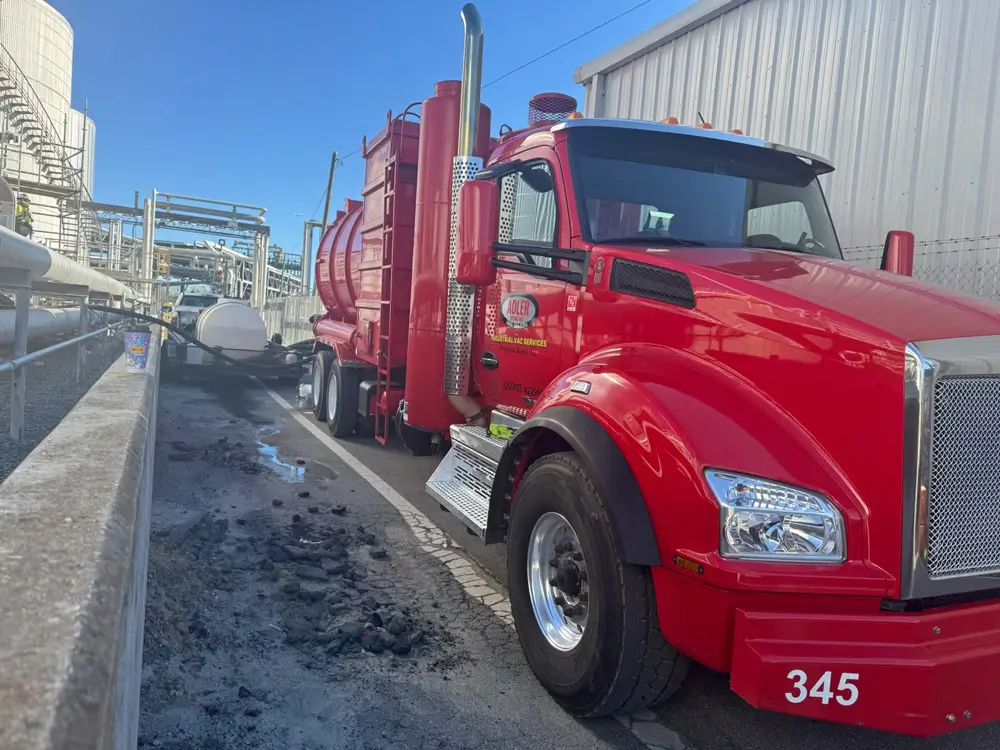
Hydro excavation uses pressurized water to loosen soil while a vacuum system removes the material into a debris tank. This gives operators much greater control when working around buried pipelines, utility crossings, instrumentation, conduits, and facility tie-ins. Rather than cutting into the ground with metal buckets or blades, crews can expose underground assets gradually and more accurately.
This precision is important in Texas oil and gas operations, where excavation often takes place near high-pressure lines, electrical systems, and congested underground corridors. For projects that require exact utility exposure, Adler Hydro Vac offers daylighting services, soft dig vacuum excavation, and air excavation for sensitive excavation work.
Hydro excavation can improve efficiency by reducing over-excavation, minimizing hand-digging, and limiting the amount of restoration required after the work is complete. Because material is vacuumed directly into the truck, crews do not need to manage spoil piles in the same way they would with conventional digging. This can help keep the site cleaner and reduce cleanup and hauling steps.
For oil and gas operators, that can translate into better schedule control, fewer interruptions, and less surface repair. In work areas with limited access or ongoing operations nearby, hydrovac equipment can often stay positioned away from the excavation point while operators work through extended hoses. Adler Hydro Vac’s hydrovac truck services are well suited for these kinds of controlled excavation conditions.
Hydro excavation also supports better site control from an environmental standpoint. Because the method creates smaller, more targeted excavations, it can reduce unnecessary disturbance to surrounding ground conditions. The slurry is collected into a debris tank rather than left loose around the excavation area, which helps with containment and site cleanliness.
This can be especially valuable on oil and gas sites where utility strikes, product releases, or uncontrolled spoil can create additional compliance and environmental risks. By using hydro vacuuming services or soft digging around buried infrastructure, operators can take a more controlled approach to excavation near sensitive facilities.
Hydro excavation is used throughout the oil and gas lifecycle in Texas, from new pipeline construction to maintenance, facility upgrades, tank-related work, and repair support. Its precision makes it useful in projects where crews need to verify underground conditions before larger work begins.
Pipeline projects often require exact utility exposure before new construction, crossings, repairs, or directional drilling can move forward. Hydro excavation is commonly used for potholing and daylighting to confirm the location, alignment, and depth of buried lines. It can also support slot trenching where narrow, controlled excavation is needed for utility-related work.
For maintenance and integrity digs, hydrovac excavation helps expose existing pipelines without the same level of risk associated with heavy mechanical digging. Adler Hydro Vac provides daylighting and hydrovac excavation truck services that can support safer pipeline-related excavation across Texas.
At processing sites, terminals, plants, and related facilities, excavation often takes place in tight areas with buried electrical systems, utility lines, foundations, and piping all located close together. Hydro excavation helps crews expose those underground systems more carefully before construction, tie-ins, or upgrades begin.
Because hydrovac equipment can often work from a distance, it is useful in areas with limited equipment access or where minimizing disruption is important. Services like soft dig excavation and air excavation can be effective for exposing buried infrastructure in sensitive facility environments.
Oil and gas sites also require support for tank cleaning, buried infrastructure repairs, and debris removal in difficult work areas. Hydro vacuum and industrial vacuum systems can help loosen and remove accumulated material while keeping the work area more controlled. This can be useful in maintenance settings where crews need to remove sludge, sediment, or debris without relying on more invasive mechanical methods.
For these applications, Adler Hydro Vac offers industrial tank cleaning as well as broader industrial vacuum services that support maintenance, cleanup, and repair-related work on industrial and energy sites.
When comparing hydro excavation with traditional mechanical digging, the biggest differences are precision, control, risk level, and site restoration needs. Conventional excavation tools are effective for bulk earthmoving, but they are less suited for carefully exposing buried utilities or working in congested oil and gas environments where a utility strike could create serious operational problems.
Hydro excavation offers a more targeted approach. Because operators can remove soil gradually and collect it at the same time, the excavation footprint is usually smaller and easier to manage. This can reduce restoration work, limit disruption to nearby infrastructure, and improve overall excavation accuracy. For projects that involve buried utilities, crossings, repairs, or verification work, hydro excavation services are often a better fit than broad mechanical digging alone.
| Factor | Hydro Excavation | Traditional Digging |
|---|---|---|
| Excavation Method | Pressurized water and vacuum removal | Mechanical buckets, trenchers, and earthmoving equipment |
| Utility Exposure | High precision | Lower precision near buried infrastructure |
| Risk Near Underground Lines | Lower | Higher |
| Spoil Management | Material collected directly into tank | Loose spoil stored on-site |
| Restoration Needs | Typically less surface disruption | Often larger excavation footprint |
Hydro excavation has become an important excavation method for oil and gas operations in Texas because it offers a safer, more controlled way to work around buried infrastructure. In environments where pipelines, utilities, and facility systems are closely packed, that precision can help reduce strikes, delays, and unnecessary site disruption.
Whether the work involves pipeline crossings, facility upgrades, maintenance access, tank-related services, or repair excavation, hydro excavation gives crews a non-destructive option for exposing underground assets with greater control. Adler Hydro Vac supports these needs with services including daylighting, slot trenching, soft dig excavation, hydrovac excavation truck services, industrial tank cleaning, and industrial vacuum services.
For Texas oil and gas projects that require careful excavation near underground infrastructure, hydro excavation remains a practical and dependable solution.
Hydro excavation is a strong choice when precision is critical, when buried utilities are present, when the work area is congested, or when crews need to reduce the risk of damage to underground infrastructure. It is especially useful for potholing, daylighting, slot trenching, and exposure work near active oil and gas assets.
Excavation near underground utilities should follow all applicable notification, locating, and utility protection requirements for the project area. Crews should verify that utilities are properly marked, maintain required documentation, and use safe excavation practices when working near buried lines.
During hydro excavation, the soil-and-water slurry is vacuumed directly into a debris tank on the truck. From there, it can be transported and managed according to the project requirements and applicable disposal or handling procedures for the material removed.