Digging in Texas starts with safety. Striking underground utilities can lead to injuries, service outages, project delays, and major repair costs. Before any excavation begins, crews should verify utility locations, respect marked areas, and use safe excavation methods when working near buried infrastructure. Services like hydrovac excavation can help reduce risk when precision matters most.
Skipping these steps increases the risk of utility strikes, costly damage, and compliance issues. Proper planning, careful excavation, and the use of non-mechanical methods like daylighting with hydro vac help protect workers, property, and essential underground systems.
Before excavation starts, crews should complete the required notification process and allow enough time for underground utilities to be marked. This step helps identify buried infrastructure in the work zone and reduces the chance of accidental contact. It is a critical part of planning any excavation, trenching, or utility-related project.
Once a dig request is submitted, utility operators mark underground lines using standardized field markings. These marks help contractors understand where utilities may be present so they can plan safe excavation methods. For work near congested utility corridors, soft dig vacuum excavation can be used to safely expose buried lines without the risks associated with mechanical digging.
When preparing to excavate, provide the exact work location and clearly define the scope of the project. It also helps to pre-mark the proposed excavation area so utility locators can identify the work zone more accurately. This improves the quality of the markings and supports safer digging once work begins.
It is also important to remember that some privately owned utility lines may not be included in standard utility locating processes. In those cases, an additional private utility locating service may be needed before excavation begins.
Utility markings use standardized colors to identify the type of underground infrastructure present at a site. These markings should remain visible throughout the project. If marks fade, are disturbed, or become unclear, excavation should stop until the area is properly remarked.
Before digging, crews should compare the markings on the ground with the utility information associated with the locate request to make sure all responses have been received. When more exact verification is needed, potholing and daylighting can confirm utility location and depth with less risk of damage.
A tolerance zone is a safety buffer around a marked utility line where extra care is required. The purpose of the zone is to account for possible variation between the marked line and the utility’s actual position underground. Markings indicate approximate horizontal location, not exact depth, so excavation inside this area should be performed with caution.
This is why tolerance zones are so important on projects involving buried electric, gas, water, sewer, or communication lines. When excavation gets close to a marked line, non-destructive methods such as hydro vacuuming and air excavation services can help crews work more safely and precisely.
Inside the tolerance zone, crews should avoid using mechanical excavation equipment until the utility has been safely exposed and visually confirmed. Safe methods may include hand digging, vacuum excavation, or pneumatic hand tools, depending on the site conditions and the type of buried utility involved.
Before proceeding with any larger excavation, crews should create a test hole to verify the utility’s exact location, depth, and orientation. This helps reduce the chance of damaging the line and provides better information for the next phase of work. For projects that require accuracy around existing infrastructure, slot trenching excavation can provide narrow, controlled access with minimal disturbance.
Hydro excavation is one of the safest and most precise methods for working around underground utilities. It is especially valuable when crews need to excavate in congested utility corridors, within tolerance zones, or in areas where utility damage would create major operational or safety problems.
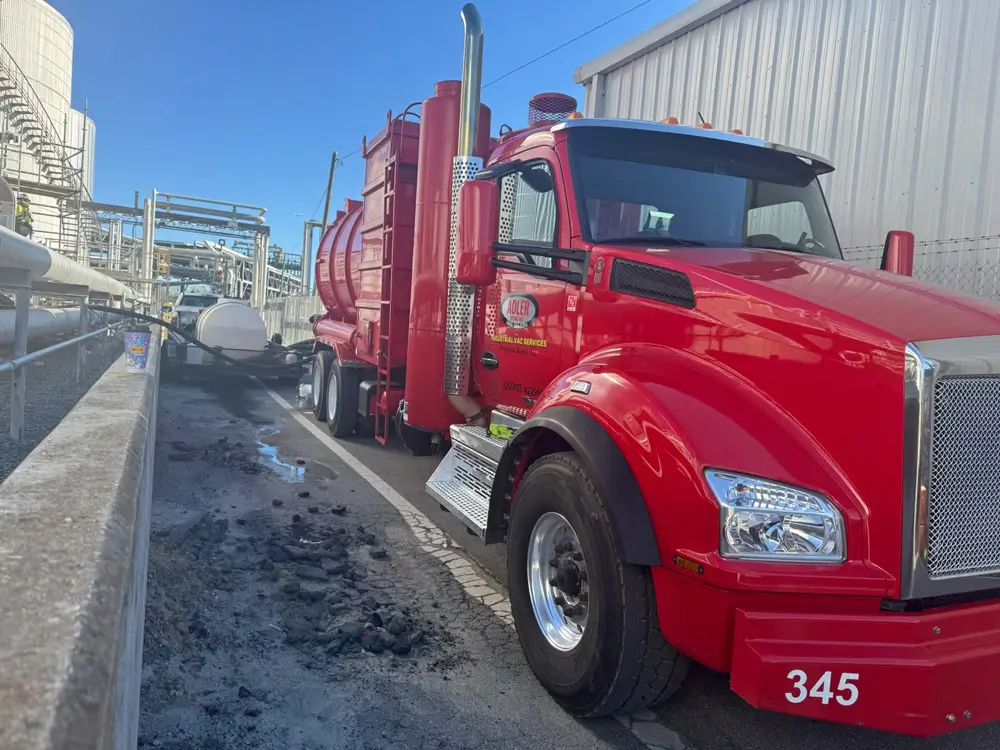
Hydro excavation uses pressurized water to break up soil and a vacuum system to remove the resulting slurry into a debris tank. Because it avoids direct mechanical contact with buried infrastructure, it is well suited for safely exposing gas lines, electrical conduit, communication lines, water service, and other sensitive underground systems.
This method is commonly used for daylighting, potholing, trenching, utility verification, and excavation in difficult or high-risk areas. Adler Hydro Vac provides hydrovac excavation truck services designed for controlled, lower-risk excavation around buried infrastructure.
Compared with mechanical digging, hydro excavation offers much greater precision and a far lower risk of striking buried utilities. It also helps keep work areas cleaner by immediately removing loosened soil and debris from the excavation. Because equipment can often remain at a distance while operators work through extended hoses, hydrovac excavation is also useful in tight-access or high-traffic areas.
These advantages make hydrovac a preferred option for work that requires exact utility exposure, reduced disruption, and careful excavation planning.
Hydro excavation is used across Texas for utility locating, daylighting, slot trenching, pole installation, emergency utility repair support, and excavation in dense urban corridors. It can also be used to clear debris from pits, trenches, culverts, and confined work areas where traditional equipment is less practical.
For projects in varying soil conditions, Adler Hydro Vac offers services such as daylighting with hydro vac, slot trenching, soft dig vacuum excavation, and air excavation for sensitive or specialized excavation work.
Once utilities are marked, crews should follow strict excavation protocols to prevent damage and reduce worker risk. Within the tolerance zone, only safe exposure methods should be used until the utility is visually confirmed. The goal is to safely locate the line before using larger excavation equipment nearby.
Potholing is a key step when verifying utility depth and alignment. Depending on site conditions, this may be done with hand tools, vacuum excavation, or other approved non-destructive methods. For shallow or uncertain utility locations, crews should proceed carefully and verify line positions before widening the excavation.
Where underground congestion or fragile infrastructure is a concern, hydro vac potholing can offer better control than manual or mechanical methods. This can be especially valuable around communication lines, gas infrastructure, and buried service laterals.
Excavation work should also comply with all trench safety and excavation safety requirements that apply to the jobsite. This includes evaluating soil conditions, protecting workers from cave-ins, maintaining safe access and egress, and using the appropriate protective systems when trench depth or conditions require them.
Where trenching intersects with existing buried infrastructure, combining trench safety planning with precision slot trenching or hydrovac excavation services can help reduce unnecessary over-excavation and lower the risk of damage.
Once a utility is exposed, it should be protected from impact, movement, and accidental damage throughout the remainder of the work. Locate markings should be preserved, and if they are lost or become unclear, excavation should pause until updated markings are in place.
Crews should also verify that the exposed utility remains in stable condition before backfilling or continuing adjacent excavation. If any line is contacted, damaged, or even lightly scraped, that contact should be reported immediately and handled according to site and utility operator requirements.
Safe digging is also a compliance issue. Excavators should keep all permits, tickets, and required documentation on-site and up to date. Delays, faded markings, or changes in project scope may require updated notifications before work can continue.
Locate tickets should remain accessible at the jobsite throughout the project. If work extends beyond the valid time period, the locate request should be renewed before excavation continues. Contractors should also make sure each party performing excavation has the documentation required for its specific work.
Before backfilling, crews should inspect exposed utilities and surrounding conditions to confirm that no damage occurred during excavation. Utility alignment, bedding conditions, and surrounding soil should be reviewed as needed before closing the excavation.
If the project involved daylighting, potholing, or trenching around sensitive utilities, maintaining clear records of the exposed conditions can help support project documentation and reduce disputes later.
Failure to follow safe excavation procedures can lead to substantial liability. Utility strikes can trigger repair costs, service disruptions, injury exposure, project shutdowns, and penalties. Even if excavation is otherwise permitted, contractors are still responsible for following all applicable utility protection and excavation safety requirements.
Using non-destructive methods such as hydrovac excavation can help reduce these risks by giving crews more control when digging near critical infrastructure.
Safe digging around underground utilities in Texas depends on preparation, accurate utility locating, careful excavation practices, and strict attention to marked areas. Once utilities are identified, the safest approach is to slow down, verify exact locations, and use non-destructive methods wherever utility conflict is possible.
Hydro excavation gives contractors a practical way to expose underground utilities with greater precision and less risk than traditional mechanical digging. For projects involving buried lines, congested utility corridors, or sensitive work areas, Adler Hydro Vac provides services including daylighting, soft digging, slot trenching, air excavation, and hydro vacuuming.
By combining proper utility notification procedures with controlled excavation methods, crews can reduce damage risk, improve jobsite safety, and keep utility-related projects moving efficiently.
Any digging project should begin with proper utility notification and location verification, even if the work seems minor. Small excavation tasks can still encounter buried utilities, service lines, or communication cables.
If markings are missing, incomplete, or no longer visible, stop excavation until the area is properly remarked. Digging without clear utility markings increases the chance of a strike and can create safety and liability issues.
Hydro excavation is a strong option when precision is critical, when utilities are densely packed, when access is limited, or when crews need to reduce the risk of damage to buried infrastructure. It is commonly used for potholing, daylighting, slot trenching, and utility exposure in sensitive areas.