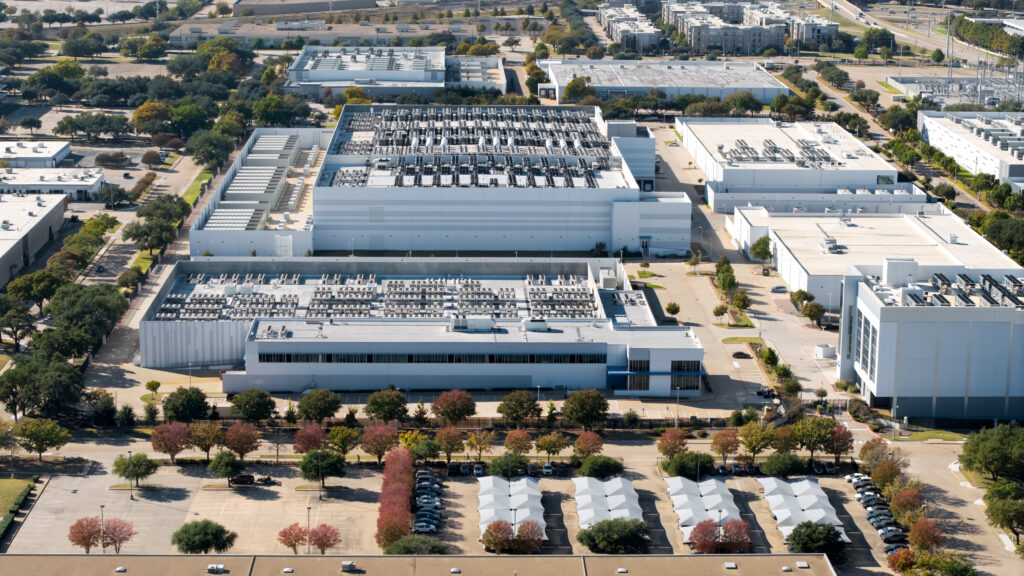
From artificial intelligence and cloud computing to streaming services and enterprise software, nearly every aspect of modern life depends on data centers. As demand for digital infrastructure continues to grow, Texas has become one of the country’s fastest-growing hubs for new data center construction.
Major technology companies are investing billions of dollars into facilities across Dallas-Fort Worth, Austin, San Antonio, Houston, and other rapidly expanding markets. The state’s abundant land, reliable energy resources, business-friendly environment, and central location make it an ideal place for hyperscale and enterprise data centers.
But before the first server rack is installed or the building begins to take shape, there’s a significant amount of work happening below ground.
Every data center depends on an extensive network of underground infrastructure. Electrical conduit, high-voltage power feeds, fiber optic cables, communication lines, cooling systems, water mains, drainage networks, and utility connections all have to be installed—or carefully protected—during construction.
That’s where hydro excavation services play a critical role in helping data center contractors safely prepare sites, verify utilities, and protect underground infrastructure.
Unlike traditional excavation methods that rely on buckets, blades, or mechanical force, hydro excavation uses pressurized water and a high-powered vacuum to safely remove soil and expose underground utilities. This non-destructive process gives contractors the precision they need to work around sensitive infrastructure while reducing the risk of utility damage, costly delays, and safety hazards.
As Texas continues to lead the nation in data center development, hydro excavation has become one of the safest and most efficient solutions for preparing construction sites and protecting critical underground infrastructure.
Constructing a modern data center isn’t like building a typical commercial office or warehouse. These facilities require an enormous amount of underground infrastructure to support continuous operations, often 24 hours a day, 365 days a year.
Before foundations can be poured, crews may need to install or verify:
Many of these systems are located only inches apart. A mistake during excavation doesn’t just create another repair—it can interrupt utility service, damage expensive infrastructure, delay construction schedules, and significantly increase project costs.
Even with utility maps and locating services, underground conditions aren’t always exactly as expected. Older utilities may have been installed differently than documented, and previous construction projects can leave behind abandoned or unmarked infrastructure.
Because of these uncertainties, contractors need excavation methods that allow them to verify what’s underground before larger excavation begins. This process, often known as utility locating, gives construction teams a clearer understanding of existing underground infrastructure and helps identify potential conflicts before excavation equipment enters the site. Hydro excavation provides that level of confidence by allowing crews to safely expose and verify utilities before major construction begins.
Data center construction presents several unique excavation challenges that simply aren’t as common on other commercial projects.
Many new data centers are built near existing industrial developments or utility corridors where electrical systems, telecommunications infrastructure, and water lines are already in place.
Although utility records provide valuable information, they don’t always tell the entire story. Underground utilities can shift over time, documentation may be outdated, and previous installations aren’t always accurately recorded.
Because underground utilities are not always installed exactly as documented, contractors must take additional precautions before excavation begins. Understanding how to safely dig around underground utilities in Texas is essential for preventing accidental damage and keeping construction projects moving safely. Following Call Before You Dig requirements also helps ensure underground utility lines are identified before work starts, reducing the risk of unexpected conflicts, costly repairs, and construction delays.
Digging blindly in these environments increases the likelihood of striking buried infrastructure.
In Texas, excavation teams follow established utility damage prevention practices designed to reduce utility strikes and protect underground infrastructure during construction projects.
Hydro excavation allows crews to safely expose utilities before heavy excavation begins, confirming their exact location and depth without damaging them.
One of the most valuable pieces of underground infrastructure surrounding a data center is its fiber optic network.
Fiber optic cables provide the high-speed communication that allows data centers to process enormous amounts of information every second. These cables connect facilities to cloud providers, businesses, internet service providers, and users around the world.
These networks are a critical part of modern digital infrastructure, supporting the connectivity required for cloud platforms, enterprise applications, and digital services used around the world.
Unlike many underground utilities, fiber optic cables are especially vulnerable during excavation. A single accidental strike can disrupt communications, require expensive repairs, and delay an entire construction project.
Because hydro excavation removes soil with controlled water pressure rather than steel equipment, crews can carefully expose fiber optic lines while minimizing the risk of accidental damage.
Modern data centers require tremendous amounts of electrical power.
New facilities often include underground substations, electrical vaults, conduit systems, backup generator connections, transformer pads, and miles of buried power lines.
Damaging any of these systems isn’t just expensive—it can create significant safety hazards for workers on site.
Traditional excavation equipment can be difficult to control in tight workspaces, particularly around existing electrical infrastructure.
Hydro excavation offers contractors a much more precise alternative, allowing operators to carefully remove soil around sensitive electrical systems while maintaining greater control throughout the excavation process.
Hydro excavation is a non-destructive excavation method that combines two powerful technologies: pressurized water and an industrial vacuum system.
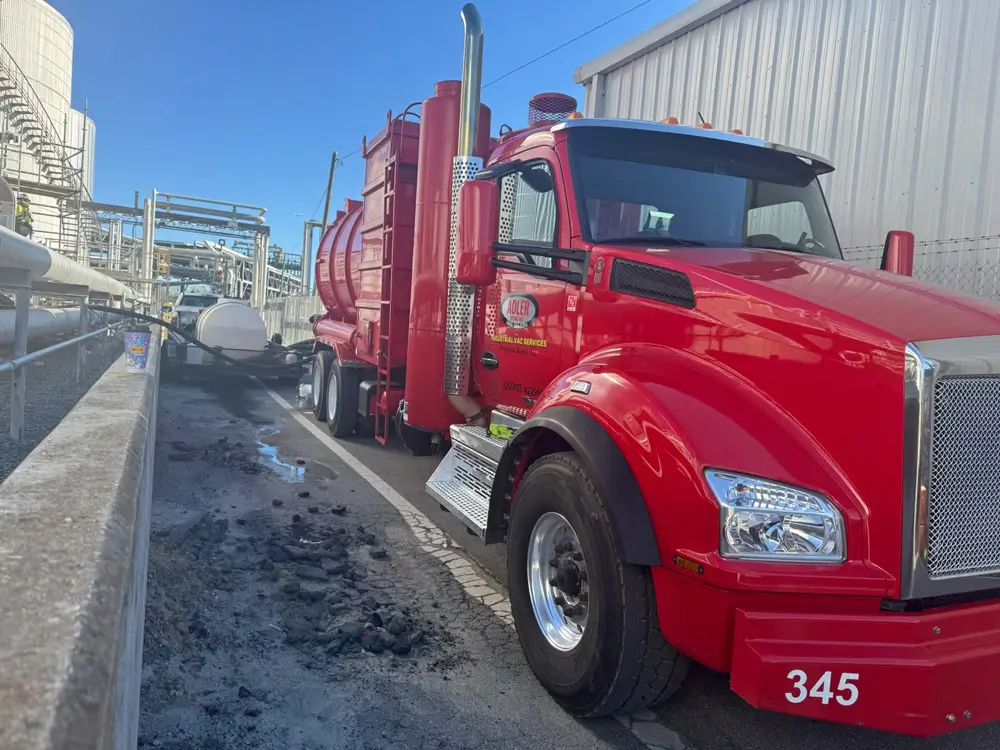
The process begins by directing controlled streams of water into the ground to loosen soil. At the same time, a powerful vacuum removes the resulting slurry and transfers it into a debris tank mounted on a hydrovac truck.
Instead of tearing through the ground with buckets or blades, hydro excavation gently exposes buried infrastructure while leaving surrounding utilities largely undisturbed.
The result is cleaner, safer, and significantly more precise excavation. These capabilities are what make precision hydro excavation valuable for projects where accuracy, efficiency, and utility protection are critical.
Hydro excavation is commonly used for:
For data center construction, that precision makes hydro excavation an ideal solution whenever crews need to work near existing underground infrastructure.
Every excavation method has its place, but data centers demand a level of accuracy that traditional digging methods often can’t provide.
Understanding the differences between excavation methods is important for contractors evaluating the safest approach for projects involving sensitive underground infrastructure, especially when comparing hydro excavation vs traditional digging.
Hydro excavation offers several advantages that make it especially valuable on these projects.
Perhaps the biggest advantage is its ability to minimize accidental damage to underground infrastructure.
This is one of the main reasons many contractors use hydro excavation as a preventative measure. By exposing utilities before digging begins, hydro excavation helps prevent utility damage while avoiding costly repairs, service interruptions, and construction delays.
Instead of aggressively cutting through soil, hydro excavation gradually exposes utilities so crews know exactly what they’re working around before additional construction begins.
For projects involving electrical systems, fiber optic networks, communication lines, and water infrastructure, that added visibility can significantly reduce unexpected utility strikes.
Excavation is consistently one of the most hazardous activities in construction, especially when crews are working around buried utilities, electrical systems, and other critical infrastructure. Following proper OSHA excavation safety standards helps contractors reduce risks and maintain safer jobsites throughout every phase of construction.
Hydro excavation gives operators more control over the excavation process, helping reduce accidental contact with underground infrastructure and allowing crews to perform sensitive digging with greater confidence.
That improved accuracy helps create a safer environment for workers while protecting valuable infrastructure already in the ground.
Construction delays can quickly become expensive, particularly on large-scale data center developments where multiple contractors are working simultaneously.
If a buried utility is damaged, repairs may require coordination with utility providers, inspections, redesigns, and schedule adjustments before work can continue.
By reducing the likelihood of utility strikes, hydro excavation helps contractors avoid unnecessary downtime and keep projects moving forward.
Hydro excavation is much more than a utility locating method. Throughout a data center project, contractors rely on utility verification services to confirm underground conditions, safely expose existing infrastructure, prepare sites for new utility installations, and support future expansions.
Its versatility makes it one of the most valuable excavation methods available for complex construction projects.
Before major excavation begins, contractors need to know exactly where underground utilities are located. Even when utility maps and locating services are available, field verification is still essential because underground conditions can differ from existing records.
Hydro excavation is commonly used for daylighting, also known as potholing, which involves carefully exposing buried utilities so crews can confirm their exact location, depth, and condition.
This process is commonly referred to as daylighting with hydro vac, allowing crews to safely expose underground assets and verify their location without relying on traditional mechanical excavation methods.
Rather than relying on assumptions, contractors can physically verify underground infrastructure before trenching or drilling begins. This reduces uncertainty, improves planning, and helps prevent unexpected conflicts that could delay construction.
For data center projects, where electrical systems, telecommunications infrastructure, and water lines often share limited underground space, daylighting provides an added layer of confidence before larger excavation activities move forward.
Power is the backbone of every data center.
Modern facilities require an enormous amount of electrical infrastructure to support servers, cooling equipment, backup generators, battery storage systems, and network operations. Installing these systems often involves miles of underground conduit, utility crossings, transformer pads, electrical vaults, and high-voltage connections.
Working around existing electrical infrastructure requires exceptional precision.
Hydro excavation allows crews to expose existing conduit and utility crossings before installing new systems, reducing the likelihood of accidental damage. Because operators can carefully remove soil without aggressively disturbing nearby infrastructure, new electrical installations can often be completed more safely and efficiently than with traditional excavation methods.
This makes hydro excavation especially valuable for projects requiring power infrastructure support, where protecting electrical systems and maintaining construction safety are top priorities.
Data centers are built around connectivity.
Fiber optic cables carry massive amounts of information every second, connecting facilities to cloud providers, businesses, and users around the world. Damaging one of these lines during construction can result in expensive repairs, service disruptions, and significant project delays.
Hydro excavation provides contractors with a controlled method for working around these sensitive communication networks.
Instead of using mechanical equipment that may accidentally strike buried cables, operators can gradually expose fiber optic lines while maintaining a safe working distance. This level of precision helps protect one of the most valuable components of any data center’s infrastructure.
Reliable cooling is essential for maintaining the performance and lifespan of servers. As a result, modern data centers often require extensive underground water lines, chilled water systems, drainage infrastructure, and cooling connections.
Installing these systems frequently means working around existing utilities in already congested underground environments.
Hydro excavation helps crews expose existing infrastructure before installing new piping, allowing construction teams to complete utility work with greater accuracy while minimizing unnecessary disruption to surrounding systems.
Not every project starts on an empty site.
As demand for cloud computing and artificial intelligence continues to increase, many companies are expanding existing data center campuses rather than building entirely new facilities.
Expansion projects can be even more challenging because excavation often takes place near active electrical systems, communication lines, and operational infrastructure that cannot be interrupted.
Hydro excavation allows contractors to safely complete upgrades, install additional utilities, and prepare expansion areas while minimizing the risk of disrupting existing operations.
Choosing hydro excavation isn’t simply about using newer equipment—it’s about reducing risk throughout the entire construction process.
Accidental utility damage remains one of the leading causes of construction delays. By exposing underground infrastructure before major excavation begins, hydro excavation significantly reduces the likelihood of striking buried utilities.
Working around high-voltage electrical systems, telecommunications infrastructure, and underground utilities presents inherent risks. Hydro excavation provides greater control during excavation, helping crews perform sensitive digging more safely while reducing exposure to unexpected underground hazards.
Whether contractors are installing conduit, trenching for communications systems, or exposing existing utilities, hydro excavation offers a level of precision that traditional digging equipment simply cannot match.
Mistakes during excavation often require repairs, redesigns, inspections, and additional labor. By helping crews locate and protect existing infrastructure before construction begins, hydro excavation minimizes costly rework and helps projects stay on schedule.
Although hydro excavation focuses on precision rather than speed alone, preventing utility strikes and avoiding project delays often leads to faster overall project completion. Construction teams spend less time repairing damage and more time moving the project forward.
Not every excavation contractor has experience working on projects involving critical infrastructure.
Choosing a provider with experience supporting complex construction projects is especially important in Texas, where excavation teams need a strong understanding of local soil conditions, underground utilities, and large-scale infrastructure requirements. Working with experienced hydro vac excavation Texas contractors can help ensure projects are completed safely, efficiently, and with the precision required for complex construction environments.
Data center construction requires crews that understand the importance of precision, safety, and coordination with multiple trades throughout every phase of the project.
When selecting a hydro excavation provider, look for a company that offers:
Partnering with an experienced hydro excavation contractor helps reduce uncertainty throughout construction while protecting the infrastructure that keeps a data center operating reliably for years to come.
As data centers become larger and more complex, excavation methods have had to evolve alongside them.
Today’s facilities require more electrical capacity, more fiber connectivity, larger cooling systems, and increasingly dense underground infrastructure than ever before. At the same time, owners and developers are under pressure to deliver projects on time without compromising safety or damaging critical utilities.
Hydro excavation addresses all of these challenges by providing a safer, more precise approach to underground work.
From verifying utility locations before construction begins to installing electrical conduit and protecting fiber optic networks, hydro excavation helps contractors complete complex projects with greater confidence while minimizing unnecessary risk.
For Texas developers building the next generation of AI, cloud, and enterprise data centers, hydro excavation isn’t simply an alternative to traditional digging—it’s quickly becoming the preferred solution.
Every successful data center starts with a strong foundation, and that foundation begins underground.
Hydro excavation gives contractors the ability to safely expose utilities, install critical infrastructure, and navigate congested underground environments without the risks associated with conventional excavation methods. The result is safer jobsites, fewer delays, lower repair costs, and more efficient construction from start to finish.
With increasing demand for artificial intelligence, cloud computing, and digital storage, the need for reliable underground infrastructure continues to grow alongside the growing demand for data center infrastructure.
As Texas continues to lead the nation in data center development, partnering with an experienced hydro excavation company can help protect your project from the ground up. Whether you’re preparing a new site, expanding an existing facility, or installing underground utilities, hydro excavation provides the precision and reliability today’s data center construction demands.
Hydro excavation for data center construction is a non-destructive digging method that uses pressurized water and a powerful vacuum system to safely expose underground utilities, prepare construction sites, and install critical infrastructure without damaging existing systems.
Data centers rely on extensive underground electrical, fiber optic, communication, and cooling infrastructure. Hydro excavation helps protect these systems during construction, reducing the risk of utility strikes, project delays, and costly repairs.
Yes. Hydro excavation is one of the safest methods for working around fiber optic cables because it removes soil with controlled water pressure rather than mechanical force, allowing crews to expose communication lines with greater precision.
For projects involving sensitive underground infrastructure, hydro excavation offers significant advantages. It provides more precise excavation, improves jobsite safety, reduces utility damage, and minimizes construction delays.
Hydro excavation is used during new data center construction, facility expansions, utility daylighting, underground conduit installation, trenching, potholing, cooling infrastructure installation, and electrical utility work.
Texas is one of the nation’s fastest-growing data center markets, with many projects located near existing infrastructure. Hydro excavation helps contractors safely navigate complex underground environments while supporting the rapid growth of technology and AI facilities across the state.