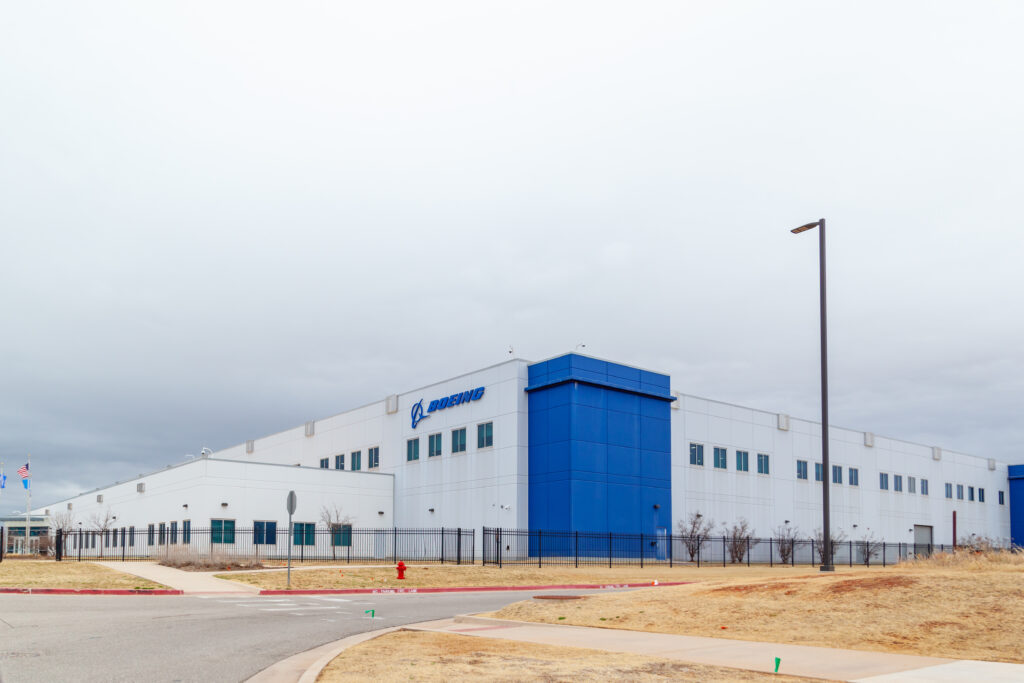
Oklahoma has long been recognized as a major player in the aerospace industry. From aircraft maintenance and manufacturing to defense operations and aerospace research, facilities across Oklahoma’s aerospace industry support some of the most important aviation work in the country.
As these facilities continue to grow and modernize, construction teams are often faced with a unique challenge: how do you safely complete excavation work when critical infrastructure is already buried underground?
Aerospace facilities are not typical construction sites. Beneath the surface, these locations can contain a complex network of electrical systems, communication lines, fiber optic cables, fuel systems, water lines, and other utilities that keep daily operations running. Accidentally damaging one of these systems can lead to expensive repairs, project delays, and serious operational disruptions.
Following proper excavation safety practices is an important part of reducing risks when working around underground infrastructure.
That is why more contractors are turning to hydro excavation in Oklahoma, also known as vacuum excavation Oklahoma, when precision digging is required near sensitive infrastructure. By using pressurized water and vacuum technology instead of traditional digging equipment, hydro excavation allows crews to remove soil more carefully and expose underground utilities with much greater accuracy.
For aerospace facilities where precision and safety are critical, hydro excavation provides a safer way to dig without putting sensitive infrastructure at unnecessary risk.
Excavation around aerospace facilities requires a higher level of planning and precision than many traditional construction projects. These facilities often operate around complex systems that cannot simply be shut down if something goes wrong.
For example, an excavation project near an aircraft hangar, manufacturing building, or maintenance area may require crews to work around underground electrical systems, communication networks, fuel lines, or other critical utilities. Even a minor utility strike can create unexpected downtime and impact ongoing operations.
Oklahoma’s aerospace industry continues to expand, with a strong presence in areas like aircraft maintenance, defense, manufacturing, and research. As facilities invest in upgrades, expansions, and new infrastructure, contractors need excavation methods that allow them to work safely around existing underground systems.
Traditional excavation equipment is useful for many large-scale projects, but it can become risky when crews are digging near unknown or sensitive utilities. Hydro excavation offers a more controlled approach by allowing workers to carefully remove soil and expose what is underground before larger excavation begins.
For aerospace projects, that extra level of visibility can make a major difference.
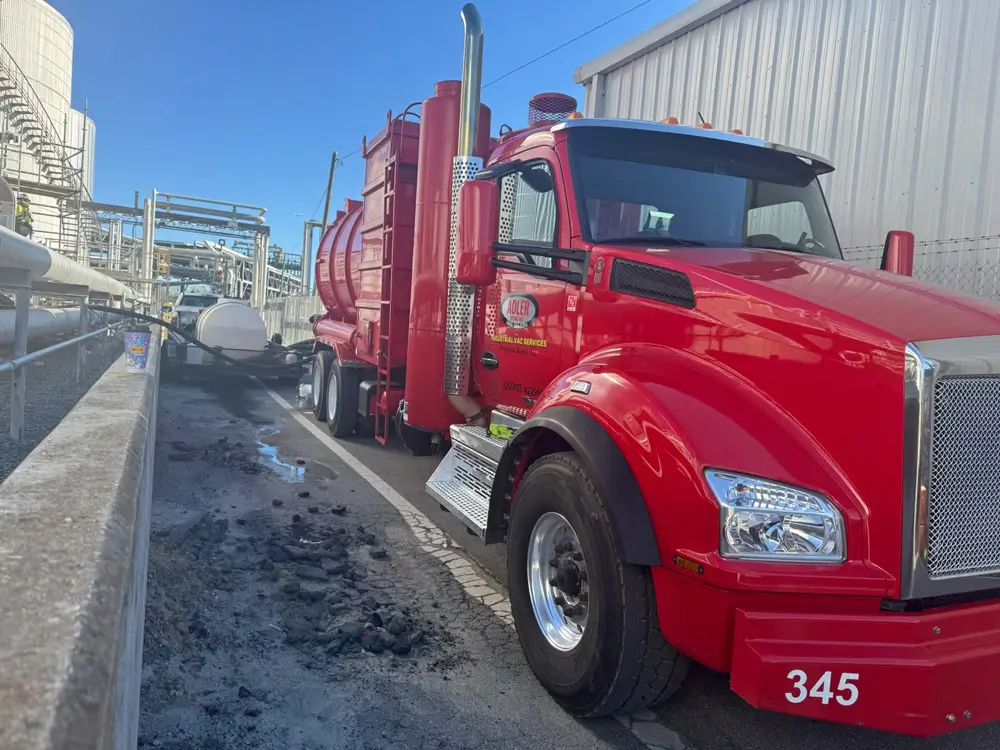
Hydro excavation, sometimes referred to as hydro vac excavation, is a digging method that uses a combination of pressurized water and a powerful vacuum system to safely remove soil. Instead of relying on heavy machinery to break through the ground, hydro excavation uses water to loosen the soil and vacuum equipment to remove it.
This process gives contractors much more control, especially when working in areas where underground utilities or sensitive infrastructure are present.
The process begins by directing high-pressure water into the ground to break apart the soil. Because the water can be controlled more precisely than mechanical digging equipment, crews can carefully work around buried utilities without applying unnecessary force.
This makes hydro excavation especially useful for aerospace facilities where protecting existing infrastructure is just as important as completing the excavation itself.
After the soil is loosened, a vacuum system removes the material from the excavation area and transfers it into the hydro vac truck.
This creates a cleaner, more controlled excavation process compared to traditional digging methods. Instead of large amounts of soil being moved around with heavy equipment, crews can remove only the material necessary to access the area they need.
One of the most common uses for hydro excavation is utility daylighting with hydro vac, which involves carefully exposing underground utilities to confirm their exact location.
Before beginning construction, contractors can use hydro excavation to locate and verify buried systems instead of relying only on records or assumptions. This helps reduce the chance of hitting an unknown utility during excavation.
For aerospace facilities, where underground infrastructure may support critical operations, knowing exactly what is below the surface is essential.
One of the biggest advantages of hydro excavation is its ability to reduce the risk of damaging underground utilities. By carefully exposing buried systems before excavation begins, contractors can better understand existing infrastructure and prevent costly utility strikes during complex excavation projects.
At aerospace facilities, underground systems often support important operations. Damaging an electrical line, communication cable, or fuel system can result in costly repairs and delays that affect the entire project timeline.
Hydro excavation allows crews to carefully expose utilities before digging deeper, giving contractors a clearer understanding of what is underground and helping them avoid accidental damage.
Aerospace facilities require excavation methods that limit disruption. Many projects happen in areas that remain active throughout construction, meaning crews must work carefully around existing buildings, equipment, and operations.
Because hydro excavation uses controlled water pressure rather than aggressive mechanical digging, it creates less disturbance around surrounding infrastructure.
This makes it a valuable solution for projects involving:
When working around underground infrastructure, accuracy matters. Contractors need to know where utilities are located before they begin excavation.
Hydro excavation helps improve accuracy by allowing crews to:
This information helps project managers make better decisions and avoid unexpected problems during the construction process.
Unexpected underground obstacles are one of the most common causes of construction delays. When crews discover unknown utilities after excavation has already started, work may need to stop while the issue is investigated.
Hydro excavation helps reduce these surprises by allowing contractors to identify underground conditions ahead of time.
By improving planning and reducing the risk of damage, hydro excavation can help aerospace projects stay on schedule.
Before installing new infrastructure or making facility improvements, contractors need to understand what already exists underground.
Hydro excavation is commonly used to expose utilities so crews can confirm their exact location before construction begins. In addition to hydro excavation, contractors can use Oklahoma’s utility locating services to identify underground facilities and better understand potential conflicts before digging begins. This is especially important at aerospace facilities where underground systems may be older, complex, or difficult to map accurately.
Aerospace facilities frequently require upgrades while continuing normal operations. Construction crews may need to install new utilities, expand buildings, or complete maintenance work near existing structures.
Hydro excavation allows crews to perform precise excavation near these areas while minimizing disruption.
Modern aerospace facilities rely heavily on advanced communication networks, including fiber optic systems and other underground technology.
Many communication projects also utilize micro trenching to install fiber with minimal disruption.
When these systems need to be installed, repaired, or upgraded, hydro excavation provides a safer way to access underground areas without putting nearby infrastructure at risk.
Many aerospace facilities rely on specialized fuel and utility systems that require careful maintenance.
Hydro excavation allows crews to safely expose these systems for inspection, repairs, and upgrades without using aggressive digging methods that could cause damage.
Traditional excavation methods have their place, especially for large open areas where underground infrastructure is not a concern. However, they can become challenging when precision is required.
Mechanical excavation equipment can create a higher risk of damaging buried utilities because operators cannot always see what is below the surface.
Because aerospace facilities often contain complex underground networks, following proper excavation planning and safe digging practices is essential before beginning any project near buried utilities.
Hydro excavation provides a safer alternative by allowing crews to remove soil gradually and carefully around underground systems.
Understanding the differences between excavation methods can help contractors choose the right approach for projects involving sensitive infrastructure.
For aerospace projects where safety, accuracy, and protecting existing infrastructure are top priorities, hydro excavation is often the better choice.
As Oklahoma’s aerospace industry continues to expand, contractors need excavation solutions that can meet the demands of complex construction environments.
Hydro excavation provides aerospace contractors with a safer and more efficient form of non-destructive excavation in Oklahoma, allowing crews to complete projects involving underground utilities and sensitive infrastructure with less risk.
Whether crews are preparing a site, locating utilities, installing new systems, or maintaining existing infrastructure, hydro excavation helps reduce risk while improving overall project planning.
Before any excavation project begins, understanding what is underground is one of the most important steps.
Utility locating services help identify underground systems using technologies such as electromagnetic locating and ground penetrating radar (GPR). While these tools provide valuable information about buried infrastructure, hydro excavation allows crews to physically expose and verify utilities before construction begins.
Using both utility locating and hydro excavation together gives contractors a more complete understanding of underground conditions and helps create a safer excavation plan.
The aerospace industry depends on precision, safety, and reliability — and excavation work around these facilities should be approached the same way.
Hydro excavation provides Oklahoma aerospace contractors with a safer method for working near underground utilities and sensitive infrastructure. By reducing the risk of damage and allowing for more accurate digging, hydro excavation helps keep projects safer and more efficient.
Whether a facility is expanding, upgrading utilities, or completing maintenance work, the right excavation approach can make all the difference.
Adler Hydro Vac provides professional hydro excavation services throughout Oklahoma, helping aerospace and industrial projects safely complete excavation work near critical infrastructure.
Hydro excavation is used for a variety of applications at aerospace facilities, including utility daylighting, underground utility verification, infrastructure installation, and maintenance projects. Because aerospace facilities often contain complex underground systems, hydro excavation allows crews to safely access these areas while reducing the risk of damaging existing infrastructure.
Hydro excavation is safer because it uses controlled water pressure and vacuum technology to remove soil instead of relying only on heavy mechanical equipment. Traditional excavation can increase the risk of accidentally striking buried utilities, especially when their exact locations are unknown. Hydro excavation allows crews to carefully expose underground systems before larger excavation begins.
Yes. Hydro excavation is commonly used near active facilities because it creates less ground disturbance than traditional digging methods. This makes it a practical solution for projects near aircraft hangars, manufacturing buildings, maintenance areas, and other locations where minimizing disruption is important.
Hydro excavation helps prevent utility damage by allowing contractors to expose and verify underground systems before excavation begins. Instead of relying only on utility maps or records, crews can physically uncover utilities to confirm their exact location and depth, reducing the chance of accidental strikes.
Hydro excavation can support many aerospace-related projects, including facility expansions, utility upgrades, fiber optic installation, pipeline maintenance, site preparation, and infrastructure improvements. Any project requiring precise excavation near existing underground systems can benefit from hydro excavation.
Hydro excavation and vacuum excavation are closely related terms, but hydro excavation specifically uses pressurized water to break apart soil before vacuum removal. Vacuum excavation may refer more broadly to excavation methods that use vacuum technology, while hydro excavation combines both water and vacuum systems for a more controlled digging process.
Utility locating helps contractors identify underground systems before excavation begins. Technologies such as electromagnetic locating and ground penetrating radar (GPR) can help detect buried utilities, while hydro excavation can then safely expose those utilities for confirmation. Together, these services provide a more complete picture of underground conditions and help improve excavation safety.
While hydro excavation is valuable for aerospace facilities, it is also widely used across industries such as oil and gas, utilities, construction, transportation, telecommunications, and infrastructure. Any industry that requires safe digging near underground systems can benefit from the precision and control hydro excavation provides.