Oklahoma is home to industries that rely heavily on safe, precise excavation, including oil and gas, aerospace, manufacturing, and infrastructure development. From active well sites and underground pipelines to aircraft manufacturing facilities and military installations, these industries depend on complex networks of buried utilities that keep operations running.
As facilities expand, modernize, and maintain aging infrastructure, excavation is often required for new installations, repairs, upgrades, and construction projects. However, digging near underground pipelines, electrical systems, fiber optic cables, fuel lines, and water infrastructure comes with significant risks. A single utility strike can result in costly repairs, project delays, environmental concerns, and serious safety hazards.
That is why more contractors and facility managers are turning to hydro excavation in Oklahoma. By combining pressurized water with a powerful vacuum system, this non-destructive excavation method allows crews to safely expose underground infrastructure with greater accuracy than traditional digging equipment.
Whether supporting pipeline excavation, underground utility locating, or aerospace facility upgrades, hydro excavation provides the precision needed to protect critical infrastructure while keeping projects moving forward. Before excavation begins, accurately identifying buried utilities is one of the most important steps contractors can take to prevent damage and improve jobsite safety.
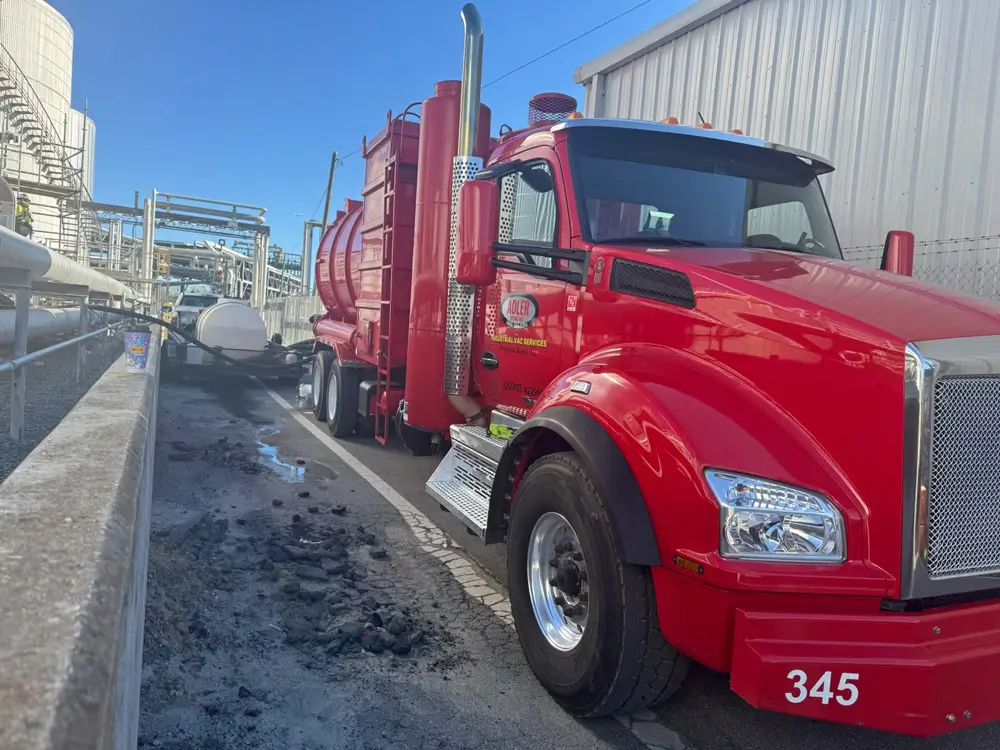
Hydro excavation is a non-destructive excavation method that uses high-pressure water to break apart soil while a powerful vacuum removes the loosened material into a debris tank. Unlike traditional excavation methods that rely on metal buckets and blades, hydro excavation allows crews to remove only the amount of soil necessary, making it ideal for projects involving buried infrastructure.
Also known as hydro excavation or vacuum excavation, this process has become a preferred solution for projects where accuracy and utility protection are critical. By removing soil with controlled water pressure and vacuum power, contractors can safely expose underground assets without relying on aggressive mechanical digging methods.
Because utilities are exposed rather than forcefully uncovered, contractors can work more safely around pipelines, electrical systems, communication lines, and other underground assets. The result is cleaner excavation, improved visibility, and significantly less risk of accidental utility damage.
Hydro excavation is commonly used for:
One of the most common applications is utility daylighting, which safely exposes buried utilities so crews can verify their exact location and depth before excavation continues.
For projects where precision excavation matters, hydro excavation has become one of the safest excavation methods available.
Oklahoma’s industrial landscape is built on underground infrastructure. Oil and gas operations, aerospace facilities, manufacturing plants, utilities, telecommunications providers, and municipalities all depend on buried pipelines, electrical systems, communication networks, water lines, and drainage systems.
Many of these utility networks have expanded over decades, creating crowded underground corridors where multiple systems occupy the same work area. Even with utility records and site plans, exact utility locations can vary due to previous construction, shifting soil conditions, or incomplete documentation.
This is where precision excavation becomes essential.
Instead of excavating blindly with heavy equipment, contractors can use hydro excavation to safely expose underground utilities before construction begins. This process, known as daylighting utilities or potholing, allows crews to verify utility locations and depths while reducing the risk of damaging critical infrastructure.
This approach is one reason many contractors choose hydro excavation over traditional digging methods when working around underground infrastructure, especially when accuracy and utility protection are priorities.
For industrial construction projects throughout Oklahoma, this added accuracy improves worker safety, minimizes costly repairs, and helps projects stay on schedule.
From major industrial areas in Oklahoma City and Tulsa to energy, aerospace, and infrastructure projects throughout the state, contractors increasingly rely on precision excavation methods to safely work around existing underground systems.
Oklahoma’s oil and gas industry depends on thousands of miles of underground pipelines, gathering systems, wellheads, compressor stations, and utility networks that require ongoing maintenance, inspections, repairs, and upgrades. Nearly every one of these projects involves excavation, making safe digging practices essential.
Traditional excavation equipment can increase the risk of striking buried infrastructure, especially in older oil fields where utility records may not always reflect decades of modifications. Damaging an underground pipeline or utility line can create serious safety hazards, environmental concerns, expensive repairs, and unexpected production downtime.
Hydro excavation for oil and gas projects offers a safer alternative by exposing underground infrastructure with precision instead of force. Contractors can verify the exact location of buried utilities before larger excavation begins, helping reduce uncertainty and improve jobsite safety.
Because pipeline corridors often contain multiple underground systems, excavation around these areas requires careful planning, accurate locating, and controlled digging methods.
Working around active pipelines requires careful planning and accurate excavation. Pipeline depths can vary, and multiple utilities often share the same corridor, making traditional excavation more challenging.
Hydro excavation allows crews to safely expose pipelines before heavy equipment enters the work area. By visually confirming the exact location and depth of underground infrastructure, contractors can reduce the risk of accidental utility strikes and complete maintenance or construction with greater confidence.
This process is especially valuable during inspections, pipeline replacements, utility crossings, and new installations where protecting existing infrastructure is a top priority.
Wellheads contain more than the equipment visible above ground. Buried flow lines, electrical systems, communication cables, and utility connections often surround these sites, making careful excavation essential.
Hydro excavation creates small, controlled excavation areas that allow crews to safely expose underground components without disturbing nearby infrastructure. This level of precision helps contractors complete repairs, utility upgrades, and maintenance projects more efficiently while minimizing disruption to ongoing operations.
One of the biggest advantages of hydro excavation is its ability to support underground utility locating and utility verification. Before excavation begins, contractors should also contact Oklahoma 811 to have participating utility owners mark the approximate location of buried utilities. Hydro excavation complements this process by allowing crews to safely verify utility locations before larger excavation begins.
Hydro excavation supports this process through daylighting and potholing, which involve carefully exposing a small section of an underground utility to verify its exact location and depth. This allows engineers, contractors, and facility managers to make informed decisions before larger excavation begins.
Combined with professional utility locating services, hydro excavation improves excavation safety, reduces unexpected conflicts, and helps protect pipelines, communication lines, electrical systems, and other critical infrastructure throughout Oklahoma.
While Oklahoma is best known for its energy industry, it is also one of the country’s leading aerospace states. Aircraft manufacturing facilities, maintenance centers, military installations, research campuses, and aviation support companies all rely on extensive underground infrastructure to support daily operations.
Oklahoma’s aerospace sector continues to attract investment in manufacturing, maintenance, and defense projects, contributing to a growing demand for infrastructure improvements across the state. The Oklahoma Department of Commerce identifies aerospace and defense as one of the state’s key industries, making safe excavation practices increasingly important as facilities continue to expand.
As these facilities expand, maintaining reliable underground infrastructure becomes increasingly important.
Facility expansions, utility upgrades, and new construction frequently require excavation near electrical systems, fiber optic networks, water mains, drainage systems, fuel lines, and communication infrastructure. Because many of these facilities remain operational during construction, minimizing disruption is just as important as protecting underground utilities.
Hydro excavation provides the precision needed to safely expose buried infrastructure before excavation progresses. Contractors can verify utility locations, avoid accidental damage, and complete projects with minimal impact on surrounding operations.
Whether supporting a facility expansion, installing new utilities, or performing infrastructure upgrades, aerospace excavation projects benefit from the accuracy and control that hydro excavation provides.
Aerospace facilities depend on reliable underground utilities to support manufacturing, maintenance, communications, fire protection, and daily operations. Accidentally damaging one of these systems can interrupt production schedules, delay construction, and require expensive emergency repairs.
Maintaining dependable infrastructure is especially important at aviation facilities, where electrical, communication, and fuel systems support critical operations. Industry guidance from the Federal Aviation Administration (FAA) highlights the importance of maintaining safe and reliable airport infrastructure during construction and maintenance activities.
Hydro excavation helps protect these assets by safely exposing underground utilities before additional excavation begins. Contractors gain better visibility while reducing the likelihood of damaging electrical conduits, communication networks, fuel systems, and other sensitive infrastructure.
As Oklahoma’s aerospace industry continues to expand, precision excavation plays an increasingly important role in supporting safe, efficient construction projects.
Hydro excavation has become a preferred excavation method for many industrial projects because it combines precision, safety, and efficiency. Whether crews are working at an oil and gas facility, an aerospace campus, or another commercial jobsite, the benefits extend well beyond simply exposing underground utilities.
Excavating around underground infrastructure always involves risk, particularly when pipelines, electrical systems, or communication lines are present. Hydro excavation significantly reduces the chance of accidental utility strikes by using pressurized water instead of heavy mechanical equipment to remove soil. With better visibility throughout the excavation process, crews can identify buried infrastructure before continuing work, creating a safer environment for everyone on site.
Safe excavation practices, proper equipment operation, and hazard awareness are essential parts of reducing construction-related injuries. Organizations such as the National Institute for Occupational Safety and Health (NIOSH) emphasize the importance of following proper safety procedures on excavation sites.
Damaging underground utilities can result in costly repairs, project delays, service interruptions, and environmental concerns. Hydro excavation allows contractors to expose pipelines, electrical conduits, fiber optic cables, water lines, and other buried infrastructure without the aggressive force of traditional excavation equipment.
This makes hydro excavation an effective solution for utility damage prevention, especially in congested underground utility corridors where multiple systems may be located within the same area.
One of the biggest advantages of hydro excavation is the level of visibility it provides during excavation. Instead of relying only on assumptions or outdated records, crews can physically verify underground conditions before continuing work.
This accuracy allows contractors to make informed decisions, identify potential conflicts early, and reduce unexpected issues during construction. For projects involving pipelines, utilities, and critical infrastructure, this added precision can make a significant difference in both safety and efficiency.
Unexpected utility conflicts are one of the most common reasons construction projects fall behind schedule. By verifying underground utility locations before larger excavation begins, hydro excavation helps contractors identify potential issues early, reducing emergency repairs, downtime, and costly project changes.
The smaller excavation footprint also means less restoration work once construction is complete, helping projects move forward more efficiently.
Because hydro excavation removes only the soil needed for the job, it causes less disturbance to the surrounding area than traditional excavation methods. Reducing the likelihood of damaging underground pipelines also helps prevent accidental spills or leaks that could affect nearby soil or groundwater.
This supports environmentally responsible construction practices consistent with guidance from the U.S. Environmental Protection Agency (EPA).
Traditional excavation remains an effective option for large-scale earthmoving projects, but when underground infrastructure is involved, hydro excavation offers a safer and more precise alternative.
While traditional excavation may be appropriate for moving large amounts of soil, it is not always the best choice when working near existing underground utilities.
Hydro Excavation | Traditional Excavation |
Uses pressurized water and a vacuum system to remove soil | Uses buckets, blades, and mechanical force to dig |
Ideal for excavation around underground utilities | Better suited for bulk earthmoving |
Greatly reduces the risk of damaging buried infrastructure | Higher risk of utility strikes |
Creates smaller excavation areas with less restoration required | Disturbs more surrounding soil |
Improves visibility throughout excavation | Utilities often remain hidden until excavation is underway |
When projects involve safe digging around pipelines, critical infrastructure excavation, or underground utility locating, hydro excavation provides the accuracy needed to protect existing utilities while keeping construction moving forward.
Although hydro excavation is widely used throughout Oklahoma’s oil and gas and aerospace industries, many other sectors also depend on this non-destructive excavation method.
Utility providers use hydro excavation to expose buried infrastructure before repairs and upgrades. Municipalities rely on hydro excavation and vacuum truck solutions for water, sewer, and storm drainage improvements.
Telecommunications companies use hydro excavation to safely work around fiber optic networks, while commercial construction contractors use it to verify utility locations before breaking ground on new developments.
Manufacturing facilities, renewable energy projects, airports, transportation agencies, municipalities, and industrial plants also benefit from hydrovac services in Oklahoma, where protecting underground infrastructure is essential to maintaining safe and efficient operations.
Successful excavation begins long before equipment arrives on site. Contractors should always locate and mark underground utilities, review available utility records, and follow best practices for safe digging around underground utilities before excavation begins.
Following Occupational Safety and Health Administration (OSHA) excavation and trenching safety requirements is another important step in reducing jobsite hazards and protecting workers throughout the project.
Combining these steps with hydro excavation allows crews to verify buried infrastructure while reducing the likelihood of unexpected utility strikes. Organizations like the Common Ground Alliance (CGA) also promote damage prevention best practices that help contractors safely excavate around underground infrastructure.
Working with experienced operators is equally important. Skilled hydro excavation crews understand how to adjust equipment for different soil conditions, safely excavate around sensitive infrastructure, and coordinate with engineers, utility owners, and project managers to keep work progressing efficiently.
Following OSHA excavation safety requirements and maintaining properly inspected equipment also helps ensure every project is completed safely and professionally.
Industrial excavation projects often involve active operations, congested utility corridors, and strict safety requirements. Choosing an experienced hydro excavation contractor helps reduce risk while improving overall project efficiency.
Experienced crews understand how to safely excavate around pipelines, wellheads, electrical systems, communication networks, and other critical underground infrastructure without causing unnecessary disruption. They also recognize potential challenges before they become costly problems, helping projects stay on schedule while protecting valuable assets.
For companies throughout Oklahoma, Adler Hydro Vac provides professional hydro excavation, precision vacuum excavation, and industrial excavation services for oil and gas facilities, aerospace operations, municipalities, utility companies, and commercial construction projects.
With a focus on safety, precision, and reliable service, Adler Hydro Vac helps customers complete challenging excavation projects while protecting the underground infrastructure their operations depend on. From utility verification and daylighting to complex industrial excavation projects, experienced hydrovac crews provide the accuracy needed for today’s demanding job sites.
As Oklahoma’s energy, aerospace, and industrial construction sectors continue to grow, the need for safe, accurate excavation methods becomes even more important.
From exposing underground pipelines and working around wellheads to supporting aerospace facility expansions and utility upgrades, hydro excavation gives contractors a reliable way to protect critical infrastructure while improving worker safety.
By combining precision, efficiency, and utility damage prevention, hydro excavation helps reduce project delays, minimize restoration costs, and keep construction moving forward with confidence. Whether you are planning an industrial construction project, installing underground utilities, or maintaining existing infrastructure, choosing the right excavation method can make a significant difference in both safety and long-term project success.
If you are looking for professional hydro excavation in Oklahoma, Adler Hydro Vac has the equipment, experience, and expertise to help complete your project safely, efficiently, and with the precision today’s industrial job sites demand.
Hydro excavation uses pressurized water and a powerful vacuum system to remove soil instead of metal buckets or blades. This non-destructive approach significantly reduces the risk of damaging underground utilities, making it a safer choice for projects involving pipelines, electrical systems, and other buried infrastructure.
Oil and gas facilities contain extensive networks of underground pipelines, wellheads, and utility systems. Hydro excavation allows contractors to safely expose this infrastructure before maintenance, repairs, or new construction, helping prevent utility damage and improve excavation safety.
Yes. Hydro excavation is widely used around active wellheads and underground pipelines because it provides the precision needed to expose buried infrastructure without the force associated with traditional excavation equipment.
Aerospace facilities depend on underground electrical systems, communication networks, drainage infrastructure, and fuel lines. Hydro excavation allows contractors to safely verify and expose these utilities before construction or maintenance begins, reducing disruptions and protecting critical infrastructure.
Utility daylighting is the process of safely exposing a small section of a buried utility to confirm its location and depth before excavation continues. Hydro excavation is one of the most accurate and widely used methods for daylighting underground utilities.
Hydro excavation is commonly used for underground utility locating, potholing, pipeline excavation, trenching, utility repairs, foundation preparation, industrial construction, municipal infrastructure projects, and commercial site development where precision excavation is essential.
The cost of hydro excavation in Oklahoma depends on several factors, including project size, excavation depth, soil conditions, access requirements, and the amount of material being removed. Because every job site is different, contractors typically evaluate the specific project requirements before providing pricing.
Hydro excavation is often the safer choice when working near underground utilities because it uses controlled water pressure and vacuum technology instead of mechanical digging equipment. Traditional excavation may still be appropriate for large-scale earthmoving projects where underground infrastructure is not a concern.
Hydrovac excavation is commonly used for utility daylighting, pipeline work, potholing, trenching, utility verification, foundation preparation, industrial construction, and projects where protecting existing underground infrastructure is essential.