Hydro excavation has become one of the safest and most effective methods for exposing underground utilities, trenching around sensitive infrastructure, and supporting construction projects across Texas. However, not all hydro excavation contractors offer the same level of expertise, equipment, safety training, or industry experience.
Whether you’re planning a utility installation, infrastructure upgrade, commercial construction project, or emergency excavation, choosing the right hydro excavation company can significantly impact project safety, efficiency, and overall cost.
This guide explains what to look for when evaluating hydro excavation companies in Texas and how to identify a contractor capable of supporting your project’s specific requirements.
Safety should be the first consideration when selecting a hydro excavation contractor.
Hydro excavation is often performed around buried utilities, energized infrastructure, pipelines, communication networks, and active construction sites. Without proper training and safety procedures, excavation work can create serious risks for workers, property, and underground assets.
When evaluating a contractor, ask about:
According to OSHA, employers must protect workers from excavation hazards and identify underground installations before digging begins.
The Common Ground Alliance (CGA), a leading authority on damage prevention, also promotes best practices for utility locating, verification, and safe excavation procedures.
A reputable contractor should be transparent about their safety culture, training programs, and commitment to excavation safety. Reviewing a company’s About page and dedicated Safety page can provide valuable insight into its operational standards and safety record.
Texas presents unique challenges for excavation projects.
Depending on location, crews may encounter:
These varying conditions affect excavation methods, utility locating accuracy, and overall project planning.
An experienced Texas hydro excavation company understands how local soil conditions influence vacuum performance, utility exposure techniques, and excavation efficiency.
Contractors with extensive Texas experience are often better equipped to manage regional challenges while maintaining project timelines and safety standards.
When researching providers, review their Texas service areas and related Texas excavation resources to determine whether they have experience in conditions similar to your project site.
The quality and size of a contractor’s equipment fleet can directly affect project performance.
Modern hydro excavation projects require specialized equipment capable of delivering precise excavation while minimizing disruption to surrounding infrastructure.
Questions to ask include:
A contractor with a modern fleet is often better prepared to support commercial construction, utility installation, municipal projects, industrial facilities, and emergency excavation needs.
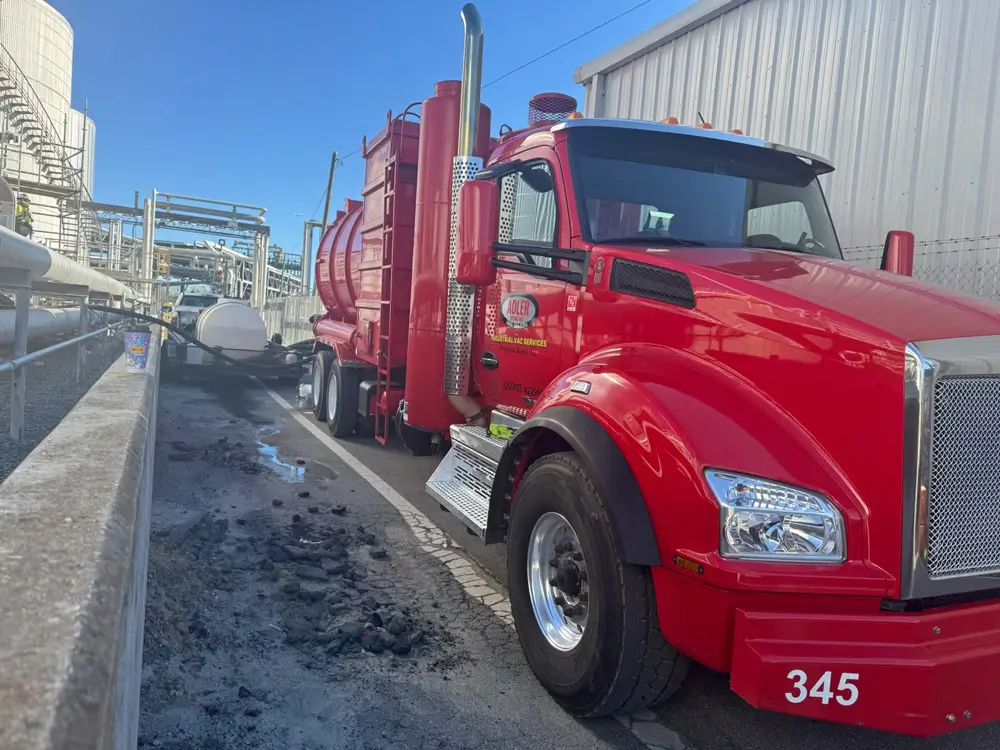
Reviewing information about hydro excavation trucks and available service capabilities can help determine whether a provider has the resources necessary to support your project.
One of the most important indicators of a qualified hydro excavation company is its experience with utility locating and daylighting.
Before excavation begins, contractors must understand exactly what lies beneath the surface.
Hydro excavation is frequently used to support:
A contractor that regularly performs utility locating and daylighting services can help reduce the risk of utility strikes while improving excavation accuracy.
Before any excavation project, property owners and contractors should also contact Texas 811 to request public utility markings.
However, it is important to remember that many private utilities are not included in standard 811 markings. This is why utility verification and daylighting remain critical components of excavation planning.
Not all hydro excavation projects are the same.
The excavation requirements for a municipal utility project differ significantly from those of an industrial facility, energy site, transportation project, or commercial development.
Look for contractors with experience supporting industries such as:
Industry-specific experience often leads to better planning, fewer delays, and improved coordination with engineers, inspectors, and project managers.
A contractor familiar with your industry is more likely to understand regulatory requirements, utility risks, and project expectations.
Underground utility emergencies rarely occur on a convenient schedule.
Whether caused by severe weather, accidental utility damage, flooding, infrastructure failure, or emergency repairs, rapid response capabilities can be critical.
When evaluating hydro excavation companies, ask:
Companies with established emergency response capabilities are often better positioned to handle unexpected situations while minimizing downtime and operational disruptions.
This can be particularly important for municipalities, industrial facilities, hospitals, utilities, and critical infrastructure operators.
Hydro excavation generates slurry, soil, debris, and other materials that must be managed properly.
Improper disposal practices can create environmental liabilities, regulatory violations, and project delays.
A qualified contractor should have clear procedures for:
The Environmental Protection Agency (EPA) provides guidance on environmental compliance and responsible waste management practices that may apply to excavation activities.
Contractors should also understand local, state, and federal environmental requirements that affect excavation projects and material disposal.
Choosing the best hydro excavation company in Texas involves much more than comparing prices.
The right contractor will bring:
These factors help reduce project risk, improve excavation accuracy, protect underground infrastructure, and support successful project completion.
Look for strong safety programs, experienced operators, modern equipment, utility locating expertise, emergency response capabilities, and experience working in Texas soil conditions.
Daylighting physically exposes underground utilities so contractors can verify exact locations before excavation begins, reducing the risk of utility strikes.
Hydro excavation can be effective in many Texas soil conditions, including clay, sand, and rocky environments, though techniques may vary depending on site conditions.
Yes. Texas law requires notifying Texas 811 before excavation to identify public utilities and reduce excavation risks.
Hydro excavation is generally considered a safer, non-destructive excavation method because it uses pressurized water and vacuum technology to expose underground infrastructure with greater precision.