Industrial spills can threaten safety, harm the environment, and disrupt operations. A solid emergency response plan helps protect workers, limit damage, and ensure compliance with regulations. Here’s a quick breakdown:
Start by understanding your site’s risks and preparing your team with training and the right tools. A proactive approach minimizes harm and keeps operations running smoothly.
To protect workers and manage spills effectively, start by conducting a thorough analysis of the risks at your site.
Pinpoint where spills could occur and create an inventory of all hazardous materials on-site. Include details like storage locations, quantities, and hazard classifications. Once you’ve identified the risks, assign specific responsibilities to address them.
Designate team members for key roles, such as coordination, safety oversight, containment management, incident reporting, and technical support. Make sure each person understands their responsibilities and has the proper tools to carry them out.
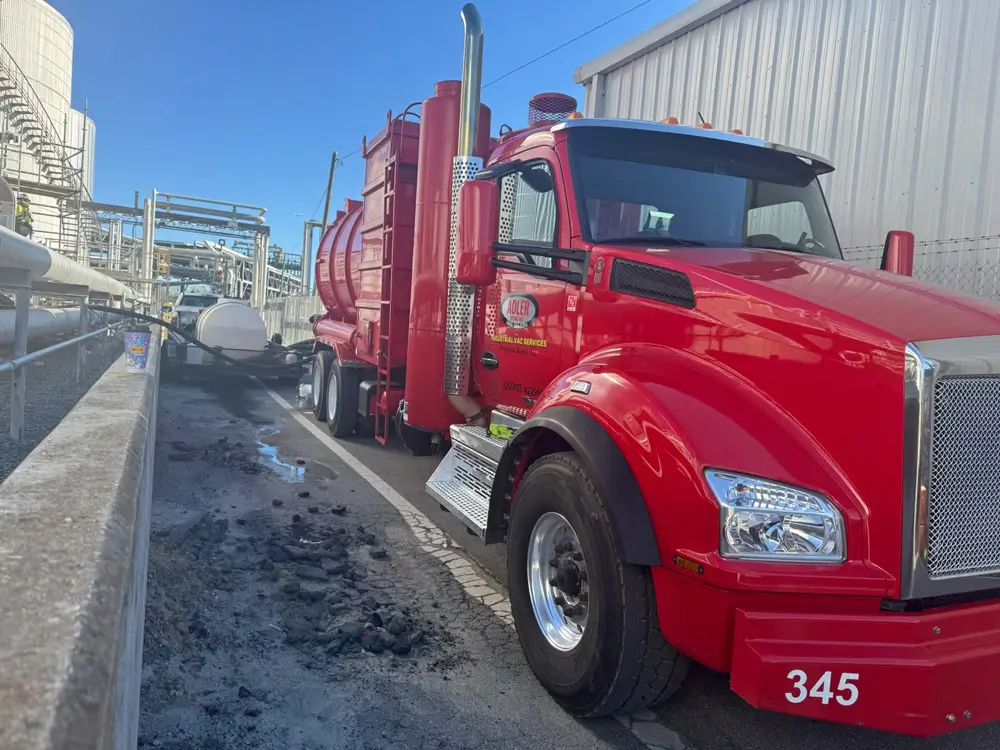
Ensure your facility is stocked with the right gear, such as vacuum trucks, trained operators, and tools specifically designed for handling the materials at your site. Proper equipment is crucial for effective spill response.
As soon as a spill is detected, notify the appropriate personnel, evacuate and secure the area, and activate your facility’s spill response plan.
Once the spill is contained, move on to verification and site restoration.
References:
RAG doc 1 – Immediate actions for industrial spill response
[2] RAG doc 2 – Spill control methods using vacuum services and remediation
[3] RAG doc 3 – After-spill inspection and remediation steps
After completing practice drills, ensure the plan stays up-to-date with these scheduled updates:
Use incident data to refine plans and improve training efforts.
Keep detailed records that include:
Stay aware of reporting thresholds and deadlines at the local, state, and federal levels.
1. Document observations
Note the timing, containment success, and any challenges faced during the response.
2. Investigate causes
Identify the root causes of the incident.
3. Evaluate the response
Compare actions taken to the set objectives and procedures.
4. Take corrective steps
Update plans, training programs, and equipment lists as needed. Monitor the results of these changes.
This article highlights the four main elements of an effective spill response plan: risk analysis, team setup, response execution, and review. These principles are supported by three key actions to ensure a strong and reliable plan.
Start by performing a detailed site risk analysis to pinpoint hazards and areas at risk. Build a clear team structure with specific roles and responsibilities, and maintain an up-to-date inventory of spill kits and containment materials.
Regular training sessions and drills are essential to identify and fix any gaps in procedures. Document all incidents, response actions, and training sessions to ensure compliance with regulations.
Stay informed about state and federal reporting requirements. Treat the plan as a dynamic resource, continuously improving it through incident reviews, training exercises, and updates to regulations.
To effectively manage industrial spills, your spill response kit should include essential equipment tailored to the type of materials your facility handles. Key items to consider are:
Make sure your kit is easily accessible, regularly inspected, and customized to meet your facility’s specific needs. Training your team on how to use these tools is just as critical as having them available.
To ensure your emergency response plan remains effective and up-to-date, it’s recommended to conduct drills at least once a year. However, more frequent drills – such as quarterly or semi-annually – may be beneficial for high-risk industries or facilities with complex operations. Regular practice helps teams stay prepared and identify any gaps in the plan.
In addition to drills, review your plan annually or whenever there are significant changes, such as new equipment, updated regulations, or staff turnover. This ensures your response strategy aligns with current needs and compliance requirements.
Failing to report an industrial spill can result in significant legal, financial, and reputational consequences. Regulatory agencies in the U.S., such as the Environmental Protection Agency (EPA), may impose fines, enforce cleanup costs, or take legal action against companies that fail to comply with reporting requirements. Additionally, unreported spills can lead to environmental damage, which might result in lawsuits or stricter oversight.
To stay compliant, ensure you understand and follow federal, state, and local regulations regarding spill reporting. Develop a clear emergency response plan that includes protocols for identifying, documenting, and notifying the appropriate authorities immediately after a spill occurs. Regularly train your team on these procedures to ensure everyone is prepared to act swiftly and in accordance with the law.