Hydro excavation is transforming excavation methods by using pressurized water and vacuum systems to dig with precision while reducing environmental harm. Unlike older methods that risk utility damage, cause soil erosion, and generate high emissions, hydro excavation offers safer, cleaner, and more accurate results.
This modern method is increasingly used in industries like construction, utilities, and municipal projects. Companies like Adler Hydro Vac lead the way with advanced equipment and eco-conscious practices, offering tailored solutions across sectors.
Hydro excavation is transforming excavation methods by using pressurized water and vacuum systems to dig with precision while reducing environmental harm. Unlike older methods that risk utility damage, cause soil erosion, and generate high emissions, hydro excavation offers safer, cleaner, and more accurate results.
This modern method is increasingly used in industries like construction, utilities, and municipal projects. Companies like Adler Hydro Vac lead the way with advanced equipment and eco-conscious practices, offering tailored solutions across sectors.
Hydro excavation isn’t just a better way to dig – it’s a smarter, safer, and cleaner choice for the future of excavation.
Modern hydro excavation combines advanced methods to ensure precision and minimize environmental harm. These techniques work together to create a safer, cleaner, and more efficient excavation process.
At the core of eco-friendly hydro excavation is the seamless use of high-pressure water and powerful vacuum systems. This combination allows for accurate digging while reducing environmental disruption.
Here’s how it works: pressurized water breaks down soil into a slurry, which is immediately vacuumed into a containment tank. The water pressure can be adjusted to protect underground utilities, ensuring minimal risk to sensitive infrastructure. This technique has significantly improved safety. For instance, in 2017, traditional methods like shovels and backhoes were responsible for the majority of over 400,000 excavation accidents in North America, while hydro excavation accounted for just 0.2% of incidents.
The vacuum system also plays a crucial role in containing excavated material, preventing contamination of nearby soil and water sources.
Proper handling of hydrovac waste is essential to maintaining the environmental benefits of hydro excavation. This waste, a mixture of water, soil, rocks, and potential contaminants, is about 60% liquid, making traditional disposal methods challenging.
Many landfills won’t accept hydrovac waste in its liquid state, prompting the industry to seek innovative solutions. For instance, McLanahan Corporation introduced Hydrovac Waste Recovery Systems in January 2025. These systems process slurry directly from hydrovac trucks, separating solids from liquids, washing materials, and preparing them for reuse. This approach not only reduces waste but also supports material recycling for construction projects.
Effective debris management often involves using holding tanks or portable units to store slurry during excavation. Advanced filtration systems can treat and recycle water for future use, whether in excavation projects or on-site cleaning. Gravel debris, once cleaned, can even be sold for construction, promoting a circular economy.
Compliance with local regulations is critical throughout the disposal process. Operators must treat slurry before disposal or transport it to approved facilities that meet environmental standards. To further reduce environmental impact, operators can limit water flow to prevent erosion and use barriers or trenches to guide water away from sensitive areas.
Hydro excavation is well-suited for year-round use, even in freezing conditions. Specialized hydrovac units equipped with heaters can melt frozen ground, making it possible to excavate during winter while adhering to environmental standards.
Heated water systems offer a clean alternative to traditional methods like burning coal or wood to thaw ground, which release harmful emissions. This approach avoids fire hazards, reduces air pollution, and ensures safe operations in cold weather.
Additionally, hydro excavation minimizes the need for manual labor in harsh winter conditions, reducing risks like frostbite and accidents on icy terrain. Unlike mechanical methods, it causes minimal ground disturbance even in frozen soil, preserving the surrounding environment and reducing the need for extensive repairs when the ground thaws in spring.
Hydro excavation provides a greener alternative for construction and utility projects, delivering more than just efficient soil removal. Its approach emphasizes sustainability and environmental care.
Hydro excavation relies solely on water and vacuum technology, eliminating the use of harmful chemicals often associated with traditional digging methods. This eco-friendly process is paired with a compact design that uses less fuel and produces fewer emissions compared to larger, conventional excavation equipment. Unlike traditional methods, which often require multiple heavy machines, hydro excavation combines everything into one efficient unit, further reducing its environmental footprint.
Additionally, hydro excavation generates about 60% less waste material than standard digging techniques. This means fewer trips to dispose of debris and a smaller overall impact on the environment. The absence of chemicals and reduced emissions also help maintain the quality and stability of the surrounding soil.
Hydro excavation is known for its precision, which significantly reduces soil disturbance. Traditional digging methods often disrupt large areas, leading to erosion and habitat destruction. In contrast, hydro excavation focuses only on the specific areas that need work, preserving the surrounding environment.
Another key advantage is its ability to safeguard underground utilities. According to industry estimates, a utility strike happens approximately every 62 seconds in the U.S. These incidents can have serious environmental consequences, such as gas leaks polluting the air and soil or water main breaks causing flooding and erosion. Hydro excavation minimizes these risks, helping to prevent such damaging events.
This targeted approach also protects root systems and preserves soil structure, reducing the need for extensive backfilling and restoration. With fewer passes from heavy equipment, fuel consumption drops, and sites recover more quickly.
The built-in vacuum system in hydro excavation ensures that excavated materials are immediately contained, preventing debris from spreading and reducing the risk of contaminating nearby water or soil.
This method also lowers the carbon footprint of projects by requiring fewer trucks and less time on-site. It operates more quietly than traditional machinery, cutting down on noise pollution while promoting environmental responsibility.
Eco-friendly hydro excavation offers a safe, precise, and regulation-compliant alternative for utility, construction, and infrastructure projects. Its precision and minimal environmental impact make it a practical choice in scenarios where traditional excavation methods could lead to significant risks or regulatory hurdles. Let’s explore how this approach is benefiting various industries.
Hydro excavation plays a key role in maintaining critical infrastructure for manufacturing facilities and utility providers. This method is particularly effective for safely exposing underground utilities, making it indispensable for tasks like power line installations, gas line upkeep, and water system repairs.
Adler Hydro Vac, for instance, provides deep cleaning services for HMA silos and tanks, preventing blockages and contamination that could disrupt operations. Their hydrovac excavation services help facilities maintain efficiency while adhering to strict environmental regulations. For state and municipal paving agencies, Adler Hydro Vac offers non-entry cleaning solutions that meet both safety and compliance requirements.
This method is especially useful in areas with sensitive features like historical landmarks, fragile tree roots, or aging pipelines. The controlled, low-impact nature of hydro excavation reduces vibrations and minimizes the risk of structural damage to these delicate elements.
In construction and site management, hydro excavation is proving to be a game-changer. Its precision and ability to minimize disruption align with green building standards, reducing environmental impact while improving site efficiency. This technique prevents utility damage and supports sustainability goals, making it easier to secure necessary permits.
Infrastructure contractors benefit from quick-response silo and tank cleaning services that help avoid costly project delays. The method’s ability to limit soil disturbance further reduces the environmental impact of construction activities. Bulk storage facilities also leverage hydro excavation for cleaning out materials like asphalt and bitumen. The contained vacuum system ensures that even challenging substances are handled safely, without contaminating the surrounding environment.
Municipalities increasingly turn to hydro excavation for its efficiency, safety, and minimal environmental footprint in public infrastructure projects. Its faster operation reduces labor costs and limits disruptions, making it an attractive option for tasks like sewer maintenance, roadwork, and utility line installations.
One of the biggest advantages for cities is the method’s ability to expose utilities safely without causing major disruptions to traffic or daily activities. Hydro excavation also helps municipalities save money by avoiding costly repairs and service interruptions. Its efficiency leads to faster project completion, reduced traffic disturbances, and lower long-term maintenance expenses. On top of that, its eco-friendly nature helps cities meet sustainability goals and adhere to regulatory standards.
Adler Hydro Vac leads the way in sustainable excavation, offering services designed to protect the environment while maintaining high operational efficiency. By combining state-of-the-art equipment with proven methods, they cater to a wide range of industrial needs.
Their tailored approach ensures precise solutions for various applications, all while emphasizing eco-conscious practices.
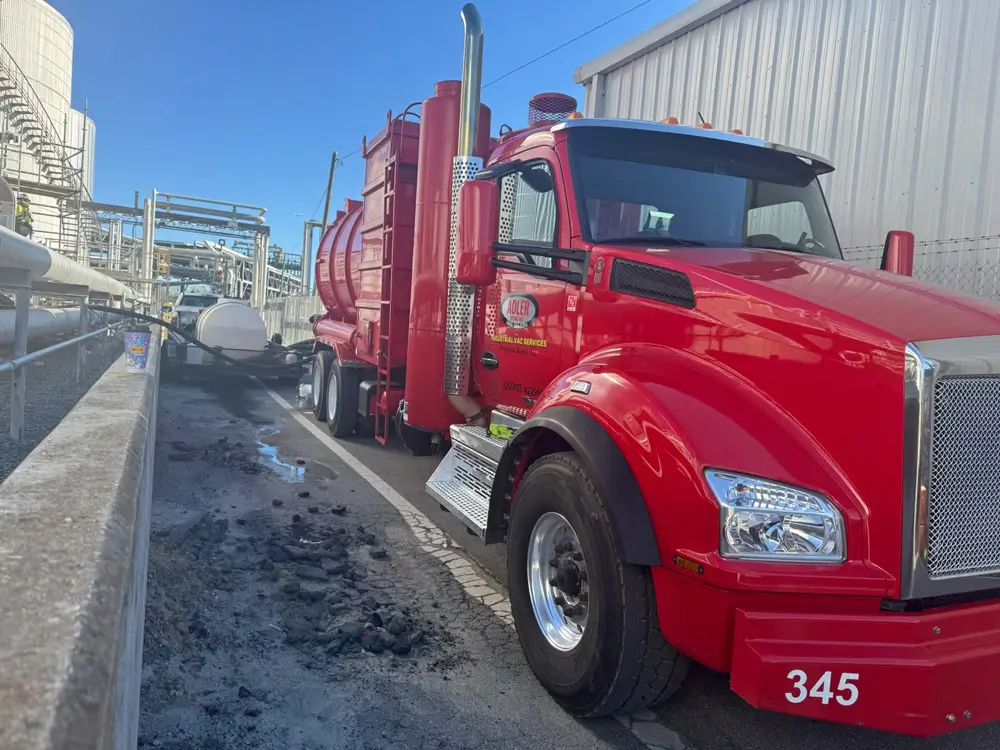
Adler Hydro Vac employs advanced hydrovac trucks equipped with energy-efficient systems that help lower fuel usage. These trucks use high-pressure water to break up soil, which is then carefully vacuumed. This method minimizes disruption, removing only the soil necessary for the job.
Compared to traditional heavy machinery, Adler’s trucks produce fewer emissions, reduce waste, and protect nearby vegetation. This approach not only conserves resources but also reduces the need for extensive land restoration after the work is done. The process also generates less dust and airborne debris, creating a cleaner and safer work environment – an essential feature for projects with strict environmental and safety requirements.
This commitment to innovation reflects their dedication to safety and environmental care.
Adler Hydro Vac places environmental responsibility at the core of its operations. They ensure that all excavated materials are disposed of in compliance with environmental regulations. Additionally, their hydro excavation techniques significantly lower the risk of contaminating groundwater or surrounding areas compared to traditional digging methods.
This comprehensive approach helps clients avoid regulatory issues and supports broader sustainability efforts. By reducing reliance on manual digging and heavy machinery, Adler’s methods create safer job sites with fewer accidents and injuries.
Adler Hydro Vac customizes its services to meet the unique challenges and regulations of various industries, delivering specialized solutions while maintaining high safety standards. Their expertise spans over 20 sectors, each with distinct needs.
Adler Hydro Vac’s expertise also extends to manufacturing plants, mining operations, and the telecommunications industry, all of which benefit from their specialized hydrovac solutions. These services reflect the growing demand for greener, more efficient excavation methods across industries.
Eco-friendly hydro excavation is reshaping the way excavation is done, offering a method that balances environmental responsibility with operational efficiency. It significantly reduces environmental and safety risks while maintaining precision and reliability.
One of its standout features is the ability to minimize utility damage and worker hazards. According to the Common Ground Alliance (CGA) DIRT Report, unsafe digging practices are a leading cause of utility strikes, highlighting the importance of hydro excavation’s accuracy in avoiding such incidents.
This method also preserves soil integrity, reduces runoff, and simplifies site restoration. With less backfill and fewer surface repairs required, hydro excavation is a cleaner, faster, and less invasive solution. By reducing soil disturbance, waste generation, and erosion, it proves to be a non-destructive alternative.
While the initial equipment costs may seem high, hydro excavation offers long-term savings. Lower labor costs, fewer restoration needs, and a reduced risk of utility strikes mean fewer delays and expensive repairs. These advantages not only make financial sense but also promote sustainable practices, paving the way for a more eco-conscious future in excavation.
The excavation industry is steadily shifting toward greener practices, driven by stricter regulations and growing environmental awareness. Cutting-edge technologies, such as real-time monitoring and advanced recycling systems, are enhancing precision and efficiency.
Looking ahead, the integration of AI and machine learning is expected to lead to even more advanced equipment, including fully automated systems. The versatility of hydro excavation across various soil types makes it suitable for a wide range of projects, from renewable energy initiatives to complex urban infrastructure upgrades. It’s also finding a growing role in environmental conservation efforts.
Incorporating these innovations into projects requires expertise, and that’s where companies like Adler Hydro Vac excel. With over 40 years of experience and a fleet of 22 advanced hydrovac trucks equipped with 21-yard debris boxes, Adler Hydro Vac brings both knowledge and state-of-the-art equipment to the table.
“At Adler Hydro Vac, we believe in creating safe environments. Safety is not just a legal requirement; it’s our commitment to our employees, customers, and the environment. We consistently strive for zero risks, guided by our comprehensive Health and Safety policy, extensive employee training programs, and eco‐friendly practices.” – Adler Hydro Vac
Adler Hydro Vac’s energy-efficient systems reduce fuel consumption and operational costs while promoting cleaner work environments with less dust and debris. Their focus on rigorous training, compliance, and environmentally conscious strategies ensures that projects are not only successful but also aligned with sustainability goals.
Hydro excavation offers a cleaner, more precise way to dig by combining pressurized water and vacuum technology to remove soil. This approach minimizes soil disturbance, cuts down on waste, and helps protect against erosion.
Compared to traditional mechanical digging, hydro excavation is a safer and more environmentally conscious choice. It reduces the chance of harming underground utilities, limits emissions, and lessens the impact on surrounding ecosystems, making it a smarter option for projects requiring careful excavation.
Hydro excavation stands out as a reliable method for tackling frozen ground during cold weather. By using pressurized, heated water, it cuts through frozen soil with ease – no need for the extensive thawing or breaking that traditional methods often require. Plus, it’s gentle on underground utilities and doesn’t disturb the surrounding area.
Another big advantage? It helps save on labor and material costs. There’s no need for extra equipment or additional manual work to deal with the challenges of frozen ground. This makes hydro excavation a safe, precise, and budget-friendly option for winter excavation projects.
Hydro excavation offers an environmentally friendly approach to managing debris by precisely removing and containing materials. This method minimizes disruption to the surrounding area and helps prevent spills or contamination, protecting nearby ecosystems in the process.
The materials extracted during hydro excavation are carefully handled and transported in accordance with federal environmental guidelines and Department of Transportation (DOT) regulations. By adhering to proper disposal practices, this process supports sustainability, reduces environmental harm, and ensures compliance with essential safety standards.