Step-by-Step Guide to Commercial BUR Gravel Removal
Removing gravel from a Built-Up Roofing (BUR) system is a critical step when preparing for repairs, restoration, or full roof replacement. Over time, BUR gravel becomes less effective at protecting the membrane, especially as roofs approach the end of their typical 20–40 year lifespan.
Professional BUR gravel removal services and roof vacuuming services allow commercial property owners to safely remove ballast, restore drainage, and prepare the roof for maintenance or replacement without damaging the underlying structure.
According to the Occupational Safety and Health Administration (OSHA), maintaining safe working surfaces and reducing hazards such as loose debris and standing water is essential for preventing workplace injuries.
Why BUR Gravel Removal Is Necessary
- Improves Drainage: Removes debris that blocks drains and causes ponding water
- Reduces Structural Load: Eliminates heavy, waterlogged gravel
- Prepares Roof for Repairs: Exposes membrane for inspection and restoration
- Prevents Moisture Damage: Reduces risk of leaks and deterioration
The Federal Emergency Management Agency (FEMA) notes that excess water weight and poor drainage can contribute to structural stress and long-term building damage.
Tools and Equipment for BUR Gravel Removal Services
Manual Tools for Detail Work
Hand tools such as shovels, tear-off spades, and scraping bars are used in tight areas around penetrations, drains, and edges where precision is required.
Roof Vacuum Equipment (Roof Vac Services)
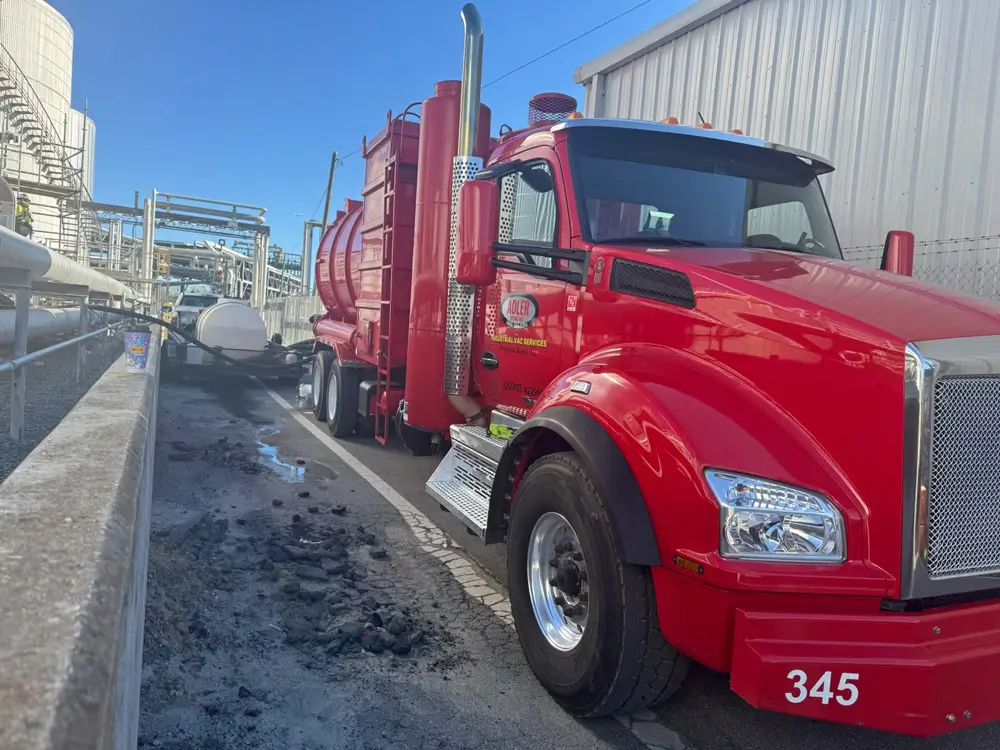
Professional roof vac services use truck-mounted vacuum systems to remove large volumes of loose gravel quickly and safely. These systems reduce manual labor while protecting the roof membrane.
Commercial roof vacuuming is the most efficient method for removing ballast from large flat roofs.
Hydro Vacuum Excavation for Embedded Gravel
When gravel becomes embedded in the roofing material, hydro vacuum services use pressurized water combined with vacuum suction to safely remove material without damaging the membrane.
Step-by-Step BUR Gravel Removal Process
Step 1: Roof Inspection
Inspect the roof for soft spots, cracks, ponding water, and membrane damage. Identify areas that may require repair or replacement after gravel removal.
Step 2: Remove Loose Gravel with Roof Vacuuming
Truck-mounted vacuum systems remove loose gravel and debris quickly. This is the most effective method for large commercial roofs and reduces strain on the roof structure.
Step 3: Remove Embedded Gravel with Hydro Vac Services
For compacted or embedded gravel, hydro excavation systems break up material and vacuum it away safely. This ensures complete removal without damaging the roofing system.
Step 4: Final Cleaning and Surface Preparation
After gravel removal, the roof is cleaned and inspected to ensure it is ready for repairs, coatings, or replacement.
Safety Requirements for Roof Gravel Removal
Safety is critical during BUR gravel removal projects. Workers must follow strict guidelines, including:
- Use of fall protection systems
- Proper personal protective equipment (PPE)
- Controlled debris removal to prevent overloading
- Safe access and staging of equipment
The CDC National Institute for Occupational Safety and Health (NIOSH) highlights fall protection as a key factor in preventing injuries on commercial rooftops.
BUR Gravel Removal Methods Compared
Roof Vacuuming Services
- Fast and efficient for loose gravel
- Minimizes surface damage
- Ideal for large commercial roofs
Hydro Vacuum Services
- Removes embedded or compacted gravel
- Provides deep cleaning
- Best for preparation before repairs or replacement
Using both methods together ensures complete removal and optimal roof preparation.
Waste Disposal and Environmental Compliance
BUR gravel removal must comply with local environmental regulations. Debris must be transported and disposed of at approved facilities.
The Environmental Protection Agency (EPA) regulates construction waste disposal and emphasizes proper handling of materials to prevent environmental contamination.
Professional roof vacuuming services help separate materials for potential recycling and reduce landfill waste.
Why Choose Adler Hydro Vac for BUR Gravel Removal Services
Adler Hydro Vac provides specialized roof vacuuming and BUR gravel removal services designed for commercial and industrial properties.
- High-capacity truck-mounted vacuum systems
- Hydro excavation for embedded gravel removal
- Safe, non-destructive cleaning methods
- Efficient removal of wet and dry debris
- 24/7 emergency response availability
Their advanced equipment allows for fast, efficient removal of gravel while protecting the roof membrane and minimizing downtime.
To schedule service, visit Adler Hydro Vac.
Conclusion: Professional Roof Vac Services Make the Difference
BUR gravel removal is a critical part of maintaining and restoring commercial roofing systems. Using professional roof vacuuming services ensures safe, efficient removal while protecting the structure beneath.
By combining inspection, vacuum removal, and hydro excavation, property owners can extend roof life, prevent costly damage, and prepare for repairs or replacement.
FAQs
What are BUR gravel removal services?
BUR gravel removal services involve removing protective gravel from built-up roofing systems using vacuum and hydro excavation equipment.
What are roof vacuuming services?
Roof vacuuming services use industrial vacuum systems to remove debris, gravel, and standing water from commercial roofs.
When should gravel be removed from a BUR roof?
Gravel should be removed when preparing for repairs, when drainage issues occur, or when the roof is nearing the end of its lifespan.