Georgia hotels experience some of their busiest seasons during the summer months. Increased tourism, higher temperatures, humidity, and frequent storms all create additional challenges for commercial properties. While hotel owners and facility managers are often focused on preparing guest rooms, HVAC systems, landscaping, and common areas, one of the most important parts of the building is often overlooked: the roof.
A commercial roof is one of the first lines of protection between a building and the elements. However, because roofs are typically out of sight, small maintenance issues can go unnoticed until they develop into costly repairs.
Roof vacuuming for hotels is an important preventative maintenance service that helps Georgia properties protect their roofing systems before summer weather arrives. By removing accumulated debris, gravel, dirt, and other materials from commercial rooftops, hotels can improve drainage, support roof inspections, and reduce potential damage during Georgia’s intense summer storm season.
Over time, commercial roofs naturally collect debris from storms, nearby trees, construction projects, and daily building activity. When this debris is left in place, it can affect drainage systems, roof membranes, and the overall lifespan of the roofing system. Knowing the warning signs that a commercial roof needs cleaning allows property managers to address issues early and prevent more expensive repairs.
For flat roofing systems especially, neglecting regular cleaning can allow debris buildup to interfere with drainage and contribute to premature wear. A proactive flat roof maintenance program helps identify these concerns early while supporting better long-term roof performance.
Adler Hydro Vac provides professional roof vacuum services in Georgia designed to help commercial properties maintain cleaner, safer, and more accessible roofing systems before problems occur.
Georgia’s climate creates unique challenges for commercial roofing systems. The combination of extreme heat, humidity, heavy rainfall, and seasonal storms can accelerate roof wear and expose existing issues, especially during periods of severe weather tracked by the National Weather Service.
Some of the most common summer-related roof challenges include:
Hotels face additional maintenance concerns because they operate continuously. A roofing problem does not just affect the building itself; it can impact guest comfort, daily operations, and the overall customer experience.
Roof issues can disrupt:
Many commercial roof problems are only discovered after leaks, water damage, or emergency repairs occur. A small drainage issue or debris buildup may seem insignificant at first, but over time it can contribute to larger roofing concerns.
This is why preventative roof maintenance is especially important for hotels. Regular inspections, cleaning, and debris removal allow facility managers to address problems before they become expensive disruptions.
Hotels throughout Georgia experience different environmental challenges depending on their location. Properties near wooded areas may deal with increased leaf and pine needle buildup, while hotels located in busy commercial areas may experience debris from construction, traffic, and surrounding development.
Georgia’s warm, humid climate can also create conditions where trapped moisture becomes a bigger concern. When debris collects on a flat commercial roof, it can hold water against roofing materials and make it more difficult for drainage systems to function properly.
Common commercial roofing concerns for Georgia hotels include:
Because summer storms can arrive quickly, preparing a commercial roof ahead of time helps property managers reduce preventable risks.
Professional commercial roof vacuuming in Georgia provides a proactive solution for removing debris before it interferes with roof performance.
Commercial roofs naturally collect debris over time. However, when materials accumulate, they can create problems that affect both the performance and safety of the roofing system.
Professional commercial roof debris removal helps eliminate these issues and provides roofing professionals with better access during inspections and repairs.
Many commercial buildings use ballasted roofing systems, while others rely on systems such as built-up roofing (BUR) that have their own inspection and maintenance requirements.
While ballast systems offer many benefits, gravel can shift due to:
When gravel moves across the roof surface, it can collect around drains, create uneven areas, and hide sections of the roof that need attention.
Professional roof gravel removal and ballast roof cleaning help restore access to the roof surface so contractors can properly inspect seams, flashing, drainage areas, and membrane conditions.
Leaves, pine needles, branches, dirt, and other organic materials are common sources of rooftop buildup.
If organic debris remains on a roof, it can:
Keeping commercial roofs clean is especially important in Georgia due to frequent summer rainfall.
Hotels often undergo renovations, upgrades, and repairs. During these projects, roofing systems may collect:
Even small amounts of debris can interfere with inspections and future maintenance. Removing these materials creates a cleaner workspace and allows roofing professionals to accurately evaluate the condition of the roof.
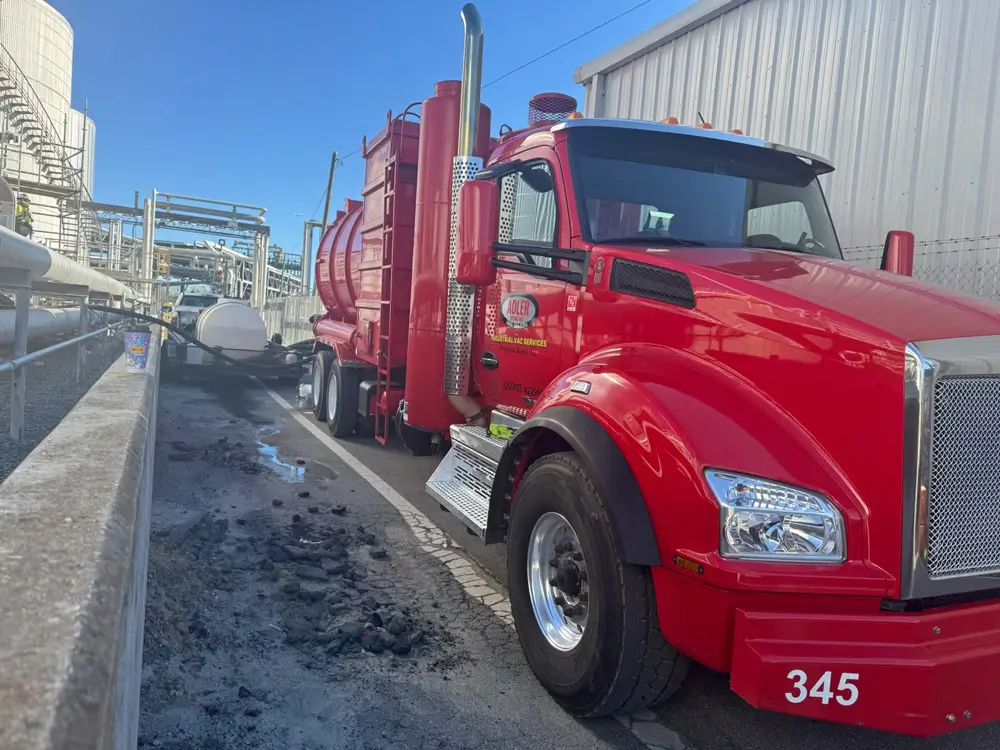
Roof vacuuming is a specialized commercial cleaning process that uses industrial vacuum equipment to remove debris from large roofing systems.
Unlike traditional manual removal methods, vacuum trucks allow crews to efficiently remove large amounts of material while reducing the physical demands placed on workers.
Commercial roof vacuuming is commonly used for:
Different roofing systems and projects may require different vacuuming approaches. Understanding the types of specialized roof vacuuming solutions available can help property managers choose the right approach for their building.
Before work begins, crews evaluate the roof area to identify:
Specialized vacuum equipment is positioned safely near the building, and crews prepare hoses and tools needed for the project.
Industrial vacuum systems remove loose materials, dirt, gravel, and debris from the roof surface.
Collected materials are transported away from the property and properly disposed of according to project requirements and applicable environmental guidelines. Responsible debris management helps ensure materials are handled safely throughout the cleanup process.
The result is a cleaner roof surface that is easier to inspect, maintain, and repair.
Georgia summer storms can bring large amounts of rainfall in short periods of time. Commercial roofing systems depend on properly functioning drainage components to move water away from the building.
When debris blocks drains or drainage pathways, water may begin pooling on the roof. Standing water adds unnecessary stress to roofing materials and may contribute to leaks or premature deterioration.
Scheduling roof vacuum services in Georgia before storm season helps hotels maintain proper drainage and reduce preventable roof problems.
A commercial roof represents a significant investment. Regular maintenance helps protect that investment by identifying concerns before they become major repairs. A consistent flat roof maintenance and preparation plan can help extend roof performance and reduce unexpected repair costs.
Organizations such as the National Roofing Contractors Association highlight the importance of routine inspections and maintenance programs for helping commercial roofing systems perform reliably over time.
Removing debris can:
Roof inspections are much more effective when contractors have clear access to the roofing surface.
Debris can hide warning signs such as:
A cleaner roof allows contractors to make more accurate evaluations.
Roof safety is an important consideration for any commercial property. Because rooftop maintenance involves working at elevated heights, following proper safety procedures and fall protection guidelines is essential for protecting workers during inspections, maintenance, and debris removal projects.
Loose debris and uneven materials can create:
Professional rooftop debris removal creates a cleaner and safer environment for workers.
Roof vacuuming is often an important step within larger commercial roofing services. While vacuuming does not replace roof repairs or inspections, it supports roofing professionals by creating a cleaner and more accessible surface.
Roof vacuuming can help prepare properties for:
Before contractors can properly evaluate a roofing system, they need clear visibility of the roof surface. Removing debris allows them to identify potential concerns and recommend the right solutions.
For hotels planning roofing upgrades or maintenance projects, professional vacuum services can help improve efficiency and create a safer work environment.
Traditional debris removal methods can be time-consuming, labor-intensive, and challenging for large commercial properties. Moving heavy materials manually also requires proper handling techniques to reduce workplace risks and maintain a safe jobsite.
Hotels often have extensive roofing systems that require specialized equipment and experienced operators. Hotels are not the only commercial properties that benefit from scheduled roof care programs. Other large properties, including apartment complexes and commercial buildings, rely on preventative maintenance to reduce debris buildup and extend roof performance.
Manually moving heavy materials across a roof can increase safety concerns and extend project timelines.
Professional roof vacuum services in Georgia provide:
Commercial properties require different solutions than residential roof cleaning. Professional equipment helps ensure debris removal is completed efficiently and safely.
Spring is often the best time for storm season roof preparation. Completing roof maintenance before summer allows hotels to address debris buildup before:
Hotels should consider inspections after heavy storms, high winds, hurricanes, or tropical weather systems. Following severe weather, professional post-storm roof cleanup can help remove debris and identify potential concerns before they affect building operations.
Severe weather events can create unexpected property damage, which is why organizations such as FEMA recommend preparing commercial properties ahead of major storms and evaluating damage after significant weather events.
Roof vacuuming is also valuable during:
Removing debris creates a cleaner workspace and supports more efficient project completion.
Hotels cannot control every factor that impacts their roofing systems. Georgia’s summer storms, heavy rainfall, humidity, and surrounding environmental conditions can all contribute to roof wear over time. However, property managers can take proactive steps to reduce risks through consistent preventative roof maintenance.
A regular commercial roof maintenance plan allows hotels to identify potential issues before they become major repairs. Routine inspections, debris removal, and professional cleaning help ensure drainage systems remain clear, roofing materials are properly evaluated, and small concerns are addressed before they disrupt hotel operations.
For hotels, preventative maintenance is especially valuable because roofing problems can quickly affect guests, employees, and daily operations. A neglected roof may lead to leaks, water damage, HVAC concerns, and unexpected repair costs during the busiest times of the year.
By investing in scheduled hotel roof maintenance, property managers can better protect their roofing systems, extend roof performance, and create a safer, more reliable environment for everyone using the building.
Adler Hydro Vac provides professional commercial vacuum solutions designed to help businesses maintain safer, cleaner roofing systems through services such as commercial roof cleaning, ballast management, and roof surface preparation.
For Georgia hotels, proactive hotel roof maintenance can make a significant difference before summer weather arrives. Professional roof vacuuming helps remove debris, improve roof accessibility, and support long-term roofing performance.
Whether your property needs routine maintenance, debris removal, or preparation for a larger roofing project, Adler Hydro Vac can provide the equipment and experience needed to complete the job efficiently.
Contact Adler Hydro Vac today to learn how professional roof vacuuming can help protect your commercial property before Georgia’s summer storm season.
Roof vacuuming is a commercial debris removal service that uses specialized vacuum equipment to remove materials from roofing systems. It helps prepare roofs for inspections, repairs, maintenance, and restoration projects.
Georgia summers bring heat, humidity, heavy rainfall, and severe storms. Removing debris before summer helps protect drainage systems, reduce moisture problems, and maintain commercial roof performance.
Yes. Commercial roof vacuum systems are commonly used for roof gravel removal, ballast removal, and cleaning ballasted roofing systems.
The frequency depends on the roof type, weather exposure, surrounding environment, and property needs. Many commercial properties benefit from routine inspections and preventative maintenance.
Yes. Professional roof vacuuming reduces the need for workers to manually move heavy materials across the roof. Specialized equipment allows debris removal to be completed more efficiently while improving safety.
Leaving debris on a commercial roof can contribute to blocked drainage systems, trapped moisture, hidden roof damage, and premature wear on roofing materials.
Roof vacuuming removes materials that can interfere with drainage, hide damage, or place unnecessary stress on roofing systems. It supports preventative maintenance by allowing problems to be identified earlier.
Roof cleaning typically focuses on removing surface dirt, while roof vacuuming uses specialized equipment to remove larger materials such as gravel, ballast, and construction debris from commercial roofing systems.