Precision hydro excavation is a safer, more accurate method of digging that uses high-pressure water and vacuum technology to expose underground utilities and remove soil. Unlike traditional digging, this approach significantly reduces the risk of damaging utilities, minimizes soil disruption, and improves overall safety for workers. Key techniques include potholing, daylighting, and adjusting methods based on soil types like clay, sand, or rocky terrain. Advanced equipment, such as hydro excavation trucks with variable pressure controls and heated water systems, ensures precision and efficiency while protecting nearby infrastructure.
Hydro excavation is widely used for utility projects, environmental cleanup, and construction in urban and sensitive areas. It offers a precise, reliable solution for projects requiring care and accuracy.
Building on the precision advantages previously highlighted, the following methods showcase how hydro excavation delivers exceptional accuracy.
At the heart of hydro excavation is the water injection and soil suspension method. High-pressure water jets break down soil into a slurry, which is then vacuumed into a debris tank for safe disposal. This technique is effective across various soil types, including dense clay and rocky terrains, where traditional excavation methods might struggle or pose safety risks.
This method is particularly suited for projects that demand precision and minimal disruption. It’s commonly used for tasks such as installing utility lines, signs, and poles, rehabilitating pipes and sewers, and landscaping where preserving surrounding soil is critical. This controlled process is the foundation for more focused techniques like potholing and daylighting.
Potholing and daylighting are specialized hydro excavation techniques tailored to different project requirements. Potholing involves creating small, precise holes to confirm the exact location of utilities, while daylighting exposes utilities over a larger area to allow for detailed inspection.
Real-world projects in cities like Dallas and Houston demonstrate the effectiveness of these methods. Potholing ensures accurate utility verification, while daylighting provides a broader view of underground systems, all without disturbing adjacent infrastructure.
| Method | Example Measurements | Best Use Case | Depth |
|---|---|---|---|
| Potholing | Approximately 15-inch diameter (Dallas example) | Verifying utility locations | Not specified |
| Daylighting | Approximately 10-foot-wide trench (Houston example) | Exposing utilities over a larger area | 4–6 feet |
Utility mapping through these techniques has been shown to reduce worker injuries by nearly 89%. Beyond precision, these methods significantly enhance safety by minimizing the risk of accidental utility strikes.
Tailoring hydro excavation methods to specific soil conditions is crucial for maintaining precision and safety. Soil type influences water pressure, nozzle choice, and overall excavation strategy.
For winter operations, hot water can thaw frozen soil, ensuring work continues smoothly despite cold conditions. Proper soil identification – factoring in composition, density, moisture, and temperature – guides the choice of technique, ensuring safe and efficient excavation every time.
Using the right tools is essential for executing the precise techniques discussed earlier. Proper equipment not only ensures accuracy but also prioritizes safety while accommodating different soil types and project demands.
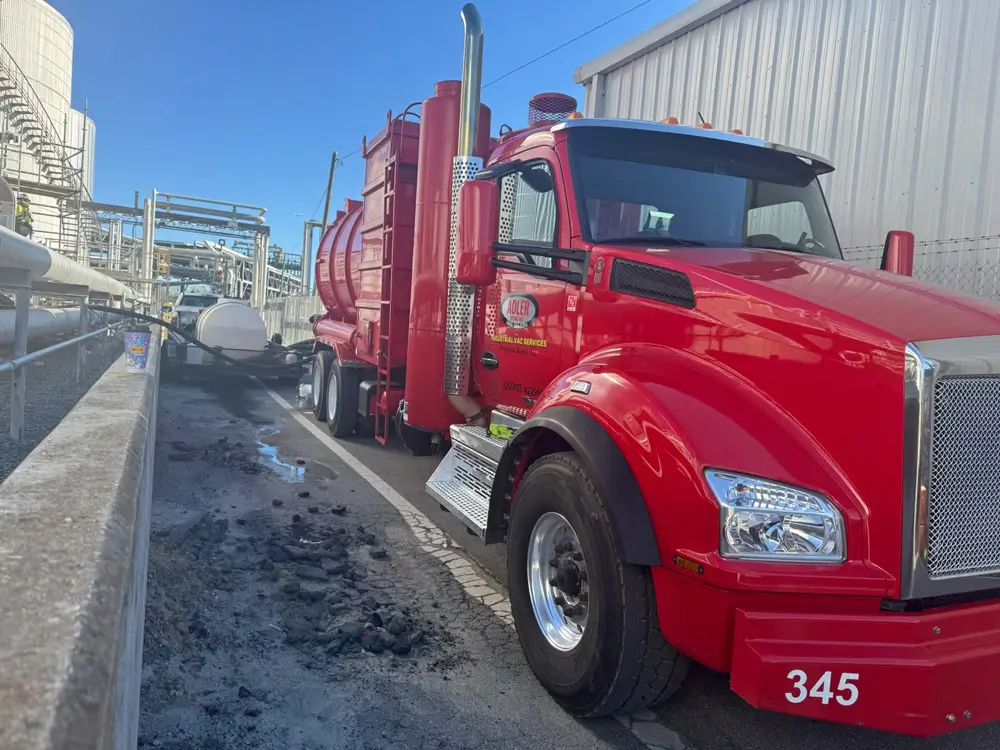
Hydro excavation trucks are the backbone of precision digging. They combine high-pressure water systems with powerful vacuums to break up and remove soil efficiently. These trucks come equipped with several components designed for accuracy and minimal disruption. High-pressure pumps loosen the soil, while integrated vacuums handle the slurry and store debris without interrupting the worksite. In colder climates, water heaters are indispensable, allowing operations to continue even when dealing with frozen ground or frost layers.
Modern hydro excavation trucks feature advanced connection systems, extended reach capabilities through suction and boom hoses, and poly dig tubes, which are more durable than aluminum alternatives. Additionally, hydro excavation wands offer precise control, making them ideal for delicate tasks or tight spaces where accuracy is crucial.
Adler Hydro Vac’s fleet showcases these advanced features, ensuring precision and safety on every project. These vehicles, combined with strict safety protocols, create a reliable solution for excavation needs.
In addition to specialized trucks, personal safety equipment plays a critical role in protecting workers on-site. Personal protective equipment (PPE) is a must to mitigate risks from high-pressure water, loud machinery, and potential falling debris. Essential items include hard hats, safety goggles, protective footwear, and hearing protection. High-visibility clothing ensures workers remain visible in busy environments, while flame-resistant gear and confined space equipment provide extra protection in industrial settings.
Proper site markings, such as cones and warning signs, help define excavation zones and alert both workers and passersby to potential dangers. For urban projects, rumble plates and mats are often used to safeguard existing infrastructure from damage caused by heavy equipment. Together, these measures create a safer and more organized work environment.
Today’s hydro excavation equipment is packed with advancements that enhance both performance and safety. Modern trucks are designed to deliver precise results while minimizing the risk of damaging underground utilities. This is especially important given that utility strikes occur approximately every 62 seconds in the U.S.
Features like variable pressure controls allow operators to adjust water force based on soil conditions and nearby utilities. Advanced filtration systems improve debris separation, while GPS tracking enhances project oversight and equipment monitoring. Additional safety features, such as emergency stop buttons, cameras for improved visibility, safety lighting, anti-slip surfaces, and remote controls, help maintain safe distances from hazards. Noise reduction technology also addresses concerns in residential and commercial areas.
These modern trucks are built to handle a variety of soil types efficiently, with better debris management systems that reduce downtime and keep projects running smoothly.
Precision in hydro excavation isn’t just about using advanced equipment – it’s about meticulous planning, skilled execution, and unwavering attention to detail. By adhering to proven methods, operators can achieve optimal results while ensuring safety and efficiency..
Adjusting water pressure to match soil conditions is a key factor in preventing overdigging and protecting nearby utilities. Mismanaged pressure can lead to unnecessary damage or excessive excavation.
For potholing operations, pressure should not exceed 2,800 psi, with further reductions needed when using heated water. Keep the nozzle approximately 8 inches from the ground to distribute force evenly. Using specialized nozzles, such as rotating or oscillating types, helps prevent concentrated damage to any one area
Always start with lower pressure and increase gradually as needed to maintain control. Keep the nozzle in constant motion to avoid focused pressure damage, and regularly inspect filters to ensure steady water flow. Modern equipment with variable pressure controls makes these adjustments easier and enhances precision. With water pressure managed effectively, the focus shifts to handling the resulting slurry responsibly.
Dealing with the slurry produced during hydro excavation requires careful planning to comply with environmental standards and local regulations. Proper spoil management not only meets legal requirements but also reflects a commitment to minimizing environmental impact.
Operators must identify approved dumping sites for slurry disposal ahead of time and ensure they meet local regulatory standards. Contaminated soil adds another layer of complexity, requiring specialized handling and offsite disposal.
Responsible spoil management is about more than compliance – it’s about reducing environmental disruption while maintaining operational efficiency. Operators must be trained and certified to understand both the technical and environmental aspects of this process.
Adler Hydro Vac exemplifies these best practices, combining performance with environmental responsibility. Their experienced team ensures every project meets high standards for both efficiency and sustainability, demonstrating the importance of proper spoil management in hydro excavation.
When it comes to hydro excavation, safety, efficiency, and environmental practices are at the core of every successful operation. While hydro excavation is inherently safer than traditional digging methods, following proper protocols is essential to ensure the best outcomes.
Hydro excavation may be safer than conventional methods, but it still comes with risks that demand careful attention. In 2016, over 300,000 excavation incidents were reported in North America, many stemming from poor practices and failure to locate underground utilities. Additionally, 38.4% of construction worker fatalities in 2022 were linked to falls or slips from equipment .
To prioritize safety, always call 811 before starting any excavation project to identify underground utilities. Daily safety briefings should address job-site hazards, and workers must wear proper PPE, including eye protection, hard hats, gloves, and steel-toed boots. Equipment safety manuals are essential for understanding correct pressure settings and nozzle usage. Using a spotter can help operators avoid hazards and collisions, while deeper excavations should include shoring or trench boxes to prevent suction injuries and maintain safe distances between the hydrovac truck and the site.
Operations should be paused in adverse weather conditions. In cold weather, ensure equipment is winterized to avoid freezing damage. Regular inspections and maintenance are critical to preventing equipment malfunctions that could lead to accidents.
Once safety measures are firmly in place, the focus can shift to achieving operational efficiency.
Efficiency in hydro excavation is all about balancing effective operations with safety. Proper training on equipment setup, water pressure settings, and emergency shut-off procedures ensures smooth workflows while minimizing risks. Matching the blower lift to the excavation depth allows for both efficient soil removal and safe operations. Each hydrovac truck operates differently, so specific training for crew members is a must.
Thorough site assessments are equally important. Inspecting hoses, valves, and machinery, as well as analyzing soil characteristics and identifying underground utilities, helps tailor the excavation approach. Clear communication among team members – whether via hand signals or communication devices – keeps operations on track and prevents delays.
Modern hydrovac technology also plays a role in boosting efficiency. Units equipped with powerful heaters maintain consistent water temperatures, allowing work to continue even in freezing conditions. High-powered vacuum systems speed up soil removal, reducing the need for manual labor in potentially hazardous environments. Emergency response plans and regular drills ensure teams are prepared to handle unexpected challenges swiftly.
Streamlined processes not only save time and money but also align with environmentally conscious practices.
Hydro excavation stands out as a cleaner, more eco-friendly alternative to traditional methods. It’s chemical-free, reduces emissions, lowers fire risks, and minimizes damage to soil and vegetation – all while protecting underground water sources. The precision of hydro excavation ensures minimal environmental disturbance.
Compact hydro excavation equipment consumes less fuel, leading to lower carbon emissions. Fewer trucks and reduced time on-site further shrink the project’s carbon footprint. Sustainable material handling practices, such as using erosion control mats, silt fences, acoustic barriers, and noise-reduction measures, help prevent water contamination, soil erosion, and noise pollution. Cleaner fuels and proper disposal of excavated materials also contribute to environmentally responsible operations.
Adler Hydro Vac exemplifies this commitment by integrating sustainable practices into every project, proving that environmental care and operational excellence can go hand in hand. Their approach ensures precise results while minimizing the environmental impact of hydro excavation.
Precision hydro excavation has become a standout method in modern excavation, delivering unmatched safety, accuracy, and environmental benefits. With utility strikes happening every 62 seconds in the U.S., the importance of precise, non-destructive digging has never been clearer. The global hydrovac truck market, valued at $490.5 million in 2022 and projected to grow at a 4.57% annual rate, highlights the increasing reliance on this advanced technology.
From techniques like water injection and soil suspension to potholing and utility daylighting, hydro excavation adapts to diverse soil types while maintaining consistent precision. Today’s hydrovac equipment is designed to perform efficiently in any condition, ensuring operations are both accurate and effective while prioritizing safety.
Success with this method depends on proper training, equipment maintenance, and strict adherence to protocols. Beyond its operational advantages, hydro excavation’s minimal soil disruption and reduced emissions make it a more environmentally conscious choice compared to traditional methods.
Industries ranging from utilities to environmental management are embracing hydro excavation to enhance both safety and sustainability. Companies like Adler Hydro Vac are leading the charge, proving that operational efficiency and environmental responsibility can go hand in hand.
As excavation needs evolve, hydro excavation offers a clear path forward – combining precision, safety, and sustainability to meet the demands of the future.
Hydro excavation offers an environmentally conscious alternative to conventional digging by using pressurized water and vacuum technology to gently remove soil. This targeted approach reduces soil disruption, limits erosion, and helps protect water sources from potential contamination by working only in the necessary areas.
What’s more, hydro excavation has a lower carbon footprint compared to traditional methods, as it relies on less heavy machinery and consumes less energy. By prioritizing precision and efficiency, this method not only ensures safer and more accurate excavation but also promotes responsible care for the environment.
Worker safety takes center stage during hydro excavation projects. To create a secure work environment, all team members must wear proper personal protective equipment (PPE). This includes waterproof gloves, steel-toed boots, high-visibility clothing, and eye protection. Additionally, the work area should be clearly marked, workers should keep a safe distance from excavation zones, and secure entry and exit points must be provided.
Conducting daily site inspections is another essential step to spot and address potential hazards. Workers should also stick to manufacturer safety guidelines when operating equipment and exercise extra care to avoid damaging underground utilities. Following these measures helps teams reduce risks and maintain a safe and productive worksite.
Soil type is a key factor in selecting the right hydro excavation methods and equipment settings. For tougher soils like clay or rocky terrain, you’ll need higher water pressure and larger nozzles to break through effectively. On the other hand, loose or dry soils, such as sand or silt, are much easier to handle and require lower pressure, making them ideal for gentler excavation techniques.
Key elements like soil density, moisture levels, and the presence of rocks or debris all play a role in determining pressure levels and nozzle sizes. Fine-tuning these settings ensures the excavation process is not only efficient but also safe and precise, perfectly adapted to the site’s unique conditions.