Industrial waste management is about handling waste safely and efficiently while meeting regulations. Here’s a quick summary of key points:
Proper management ensures compliance, reduces environmental risks, and keeps operations efficient.
Managing industrial waste effectively requires balancing operational efficiency with environmental responsibility. These approaches align with U.S. Environmental Protection Agency standards and support streamlined practices.
Minimizing waste during production is one of the most cost-efficient strategies. This proactive method reduces waste before it’s generated, cutting costs and lowering environmental impact.
| Strategy | Implementation | Benefits |
|---|---|---|
| Process Optimization | Adjust production methods to minimize byproducts | Reduces raw material use and disposal costs |
| Equipment Upgrades | Use precision dispensing systems | Decreases material waste |
| Material Substitution | Replace hazardous inputs with safer options | Eases disposal and compliance challenges |
Once waste reduction is addressed, recovering and reusing materials can further enhance efficiency. Reclamation systems allow facilities to recover resources while supporting conservation efforts. Common recovery techniques include:
When waste prevention and recovery aren’t enough, proper processing and removal are essential. Techniques like hydro excavation provide precise, eco-conscious ways to handle diverse waste types. Advanced methods include:
To establish a well-rounded waste management program, follow these steps:
1. Assessment and Planning
Perform waste audits to identify areas for reduction and improvement.
2. Implementation
Equip teams with advanced tools and training for safe, efficient waste handling.
3. Monitoring and Adjustment
Regularly track performance and refine processes to meet compliance standards.
Partnering with experienced, certified providers ensures that waste is managed responsibly, reducing environmental impact while optimizing operations.
Start by conducting detailed waste assessments to pinpoint areas for reduction and ensure compliance with U.S. regulations. A proper assessment involves tracking waste streams, reviewing disposal costs, and comparing current practices to industry benchmarks.
| Assessment Component | Key Actions | Expected Outcomes |
|---|---|---|
| Waste Stream Analysis | Record types and volumes of waste | Identify main waste contributors |
| Cost Tracking | Calculate disposal and handling costs | Highlight potential savings |
| Compliance Review | Compare practices to EPA standards | Verify regulatory compliance |
| Process Evaluation | Track material use and waste generation | Detect inefficiencies |
Clean processing methods aim to reduce waste without sacrificing operational efficiency. These techniques help facilities comply with U.S. regulations while making better use of resources.
Some effective methods include:
Collaborating with certified providers ensures these processes are implemented effectively and meet all regulatory standards.
Selecting certified waste management services is key to maintaining compliance and achieving efficient operations. When reviewing providers, focus on their expertise, technology, and environmental practices.
“Adler is your single source for vacuuming, hydro excavation, and spill response. We tackle any job, big or small, with state-of-the-art equipment and a solutions-focused team.” – Adler Industrial Vacuum Services [1]
Key qualifications to look for include:
To get the best results, establish clear communication channels with your provider and create detailed waste management protocols. Regularly review performance to adapt to changing regulations and ensure continuous improvement.
With over 40 years of experience [1], professional waste management services offer solutions like industrial waste removal, hazardous material handling, and compliance support. Their expertise ensures waste is handled properly, operations stay efficient, and regulations are met.
Building on the basics of waste processing, methods like hydro excavation and industrial cleaning play a crucial role in ensuring waste is managed safely and within regulations.
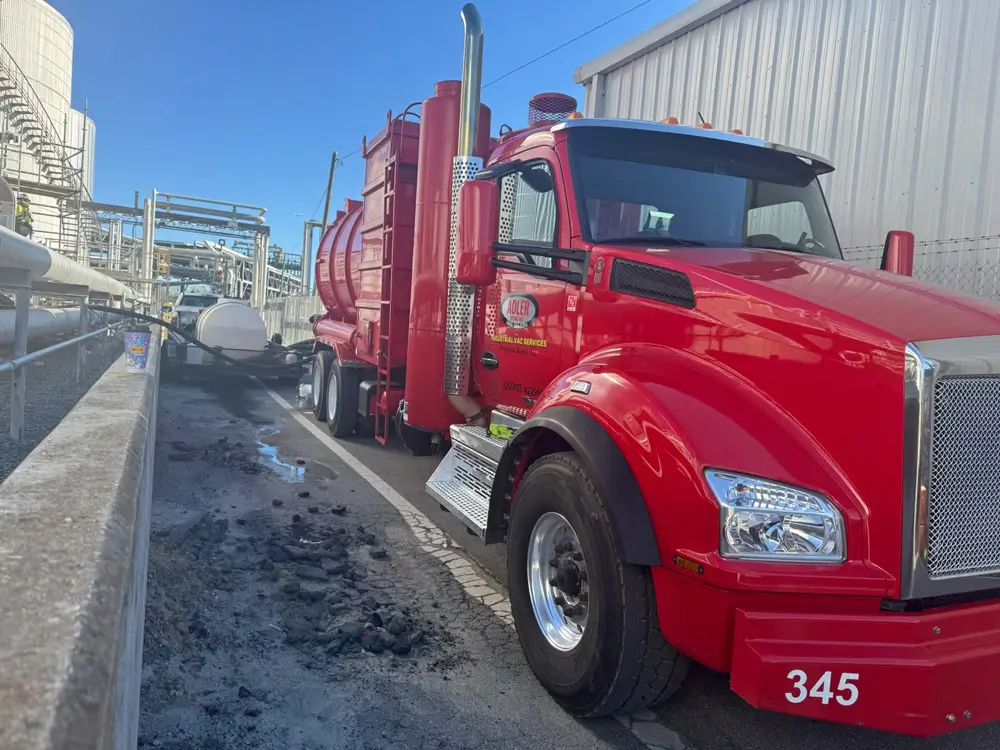
Hydro excavation is a method that avoids damage to underground utilities by using high-pressure water to break apart soil and a vacuum system to remove the resulting slurry. It’s a precise and efficient way to clear soil and other soft materials.
Here’s a breakdown of the key components involved:
| Component | Function | Advantages |
|---|---|---|
| Water Jet System | Loosens and breaks up materials with high-pressure water | Allows precise excavation with minimal impact on surroundings |
| Vacuum System | Extracts slurry and debris | Speeds up cleanup and material removal |
| Debris Collection Unit | Safely stores the removed material for disposal | Ensures proper containment and disposal |
In addition to hydro excavation, industrial cleaning methods are used to eliminate waste residues effectively.
These techniques target specific cleaning needs across various industrial setups:
Together, these methods ensure thorough waste management while adhering to strict environmental standards.
Choosing the right industrial waste management method means carefully evaluating each option’s strengths and limitations to ensure efficiency and compliance.
| Method | Best Applications | Equipment Required | Safety Considerations | Environmental Impact | Economic Efficiency |
|---|---|---|---|---|---|
| Hydro Excavation | Underground utility work, precise excavation, contaminated soil removal | Vacuum trucks, high-pressure water systems | Reduces risk to underground infrastructure; lowers worker injury risks | Minimizes soil disruption; controlled waste containment | High upfront cost; strong long-term value |
| Industrial Vacuum | Liquid waste, sludge removal, spill cleanup | Industrial vacuum trucks, specialized attachments | Ensures safe waste containment; lowers exposure risks | Minimal impact due to contained collection | Moderate operating costs |
| Liquid Vacuum | Industrial sludge, oil spills, hazardous materials | Liquid vacuum trucks, chemical-resistant equipment | Improves safety when handling hazardous materials | Ensures complete containment of liquid waste | Costs vary based on material type |
| Environmental Remediation | Contaminated sites, emergency spills, facility cleanup | Multiple specialized equipment types | Requires thorough safety protocols | Directly improves site conditions | Higher initial cost; long-term benefits |
Matching the right method to the type of waste, site conditions, safety needs, and budget is key to effective management.
“Adler is your single source for vacuuming, hydro excavation, and spill response. We tackle any job, big or small, with state-of-the-art equipment and a solutions-focused team.” [1]
When deciding on a method, consider these factors:
These considerations emphasize the importance of a well-rounded approach to waste management.
Modern advancements in waste management technology are making operations more efficient. For example, today’s vacuum trucks can hold up to six times the capacity of older models [1].
Next, we’ll dive deeper into how hydro excavation and industrial cleaning methods can be applied effectively.
Managing industrial waste effectively demands a well-planned approach that blends tried-and-tested methods with modern tools. Industries today are under growing pressure to manage waste responsibly while staying efficient and meeting compliance standards. Using modern equipment and techniques like hydro excavation can significantly improve waste management processes.
Here are some strategies to consider:
These steps provide a clear path to improving waste management systems. With over 40 years of experience [1], Adler Hydro Vac offers a range of services, including industrial vacuum solutions, hydro excavation, environmental services, and round-the-clock emergency support.
To put these strategies into action, consider the following steps:
Managing waste successfully means staying proactive and adjusting to new challenges and technologies as they arise.
Reducing industrial waste at its source provides significant advantages, such as lowering environmental impact, cutting disposal costs, and improving overall operational efficiency. It also helps businesses stay compliant with environmental regulations and enhances their reputation for sustainability.
To achieve this, companies can adopt strategies like optimizing production processes, implementing on-site waste management systems, and utilizing advanced industrial cleaning techniques. These approaches not only minimize waste generation but also streamline operations, contributing to a more sustainable and cost-effective workflow.
Hydro excavation offers significant environmental and safety benefits over traditional excavation methods. By using pressurized water and a vacuum system, hydro excavation minimizes the risk of damaging underground utilities, which is a common hazard with mechanical digging. This makes the process safer for workers and reduces costly repairs.
From an environmental standpoint, hydro excavation is less disruptive to the surrounding area. It produces less debris and waste, which simplifies disposal and helps maintain cleaner worksites. Additionally, it uses water efficiently and reduces the likelihood of soil contamination, aligning with sustainable waste management practices.
When selecting a certified provider for hazardous waste removal, companies should prioritize compliance, expertise, and safety protocols. Ensure the provider holds all necessary certifications and licenses required by federal, state, and local regulations, such as those from the EPA or DOT.
Look for providers with a proven track record of handling hazardous materials safely and efficiently. Key considerations include their experience in your industry, use of modern equipment, and adherence to strict environmental and safety standards. Additionally, assess their ability to provide detailed documentation and transparent reporting to ensure regulatory compliance.
Choosing a provider with these qualifications helps minimize risks, protect the environment, and maintain operational efficiency.