Industrial cleaning is complex, but a clear checklist simplifies the process. Here’s a quick overview of the essential steps for safe, efficient, and compliant cleaning:
This structured approach ensures safety, regulatory compliance, and effective cleaning results.
Organize safety measures carefully to protect workers and maintain smooth operations.
Begin with a thorough site inspection to pinpoint hazards and define cleaning zones. Make sure to document safety concerns, such as:
After your site review, implement these essential safety practices:
Clearly mark work zones with barriers and warning signs to prevent unauthorized entry.
Finally, choose and inspect cleaning equipment to ensure it meets safety standards and operates effectively.
Once safety zones are in place, it’s time to pick the tools that match your site’s needs.
High-Capacity Vacuum Trucks
These trucks can handle both wet and dry materials, making them perfect for tasks like waste tank cleaning and ballast removal.
Hydro Excavation Units
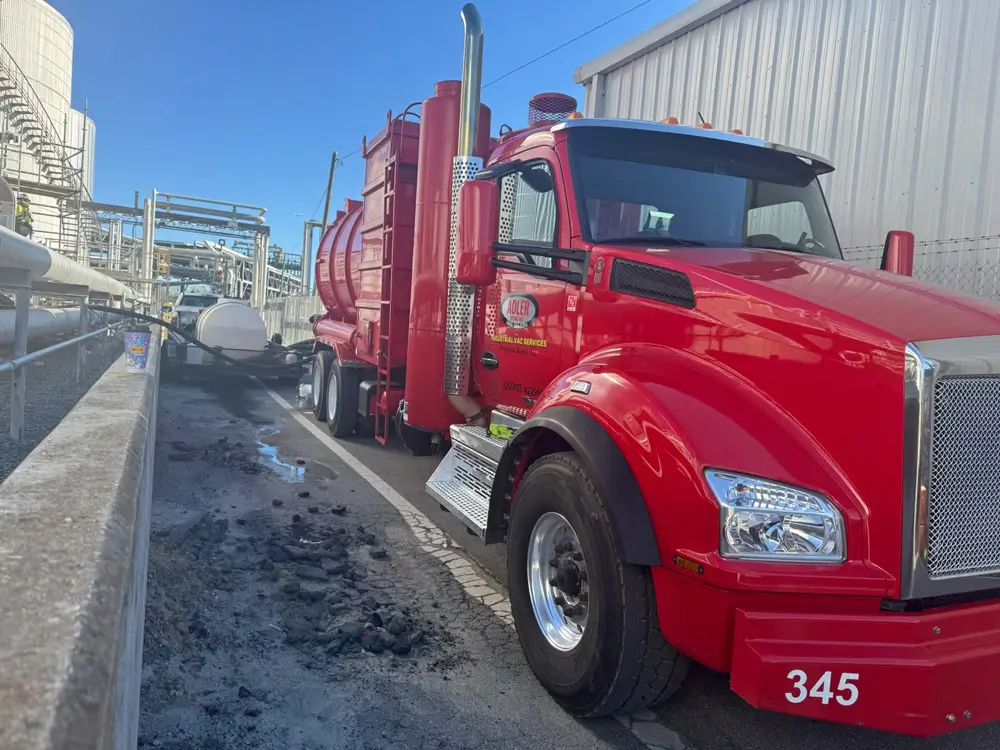
Also known as hydrovac trucks, these combine high-pressure water and strong vacuum systems for precise, non-destructive digging.
Liquid Vacuum Trucks
Designed to manage industrial sludge, oil spills, and hazardous waste effectively.
Make sure each piece of equipment meets the necessary performance requirements before use.
Keep cleaning equipment in top shape by performing regular safety checks:
After confirming equipment readiness, document specifications using U.S. measurement standards:
Industrial cleaning often requires specialized equipment such as vacuum trucks, hydro excavation trucks, and liquid vacuum trucks.
Once your equipment is ready, follow these steps for a thorough cleaning:
Start by using wet and dry industrial vacuums to clear away loose debris, dust, and other contaminants.
Clean surfaces by pressure washing in overlapping, top-to-bottom motions.
Hydro excavation is an accurate, non-damaging method for removing soil around underground utilities. The process involves two main steps [2]:
Use specialized vacuum attachments for confined areas, and ensure proper ventilation to maintain a safe workspace.
Handle hazardous materials carefully. Refer to Safety Data Sheets (SDS), contain substances properly, and follow all relevant regulations.
Rinse surfaces with clean water to remove any remaining residue.
Use air movers and dehumidifiers to dry surfaces completely and avoid mold growth.
Check surfaces visually and by touch to confirm they meet cleanliness standards.
Clean and sanitize all tools and equipment according to the manufacturer’s instructions.
Keep detailed records of completed tasks and note any areas that may require additional attention.
Adler Industrial Vacuum Services provides efficient wet and dry vacuuming solutions for debris removal.
[2] Adler uses advanced hydrovac equipment for safe and precise utility potholing, daylighting, and trench excavation.
Once you complete Step 10, handle all waste according to U.S. regulations. Adler Hydro Vac offers on-site support for waste management and compliance needs.
Sort waste by type directly on-site and arrange for collection accordingly. Ensure you hire a certified provider to handle both hazardous and non-hazardous waste removal safely.
Transport hazardous waste using EPA-approved carriers to licensed disposal facilities. Follow all DOT and EPA rules for packaging, labeling, and maintaining manifest records.
Keep detailed records, including waste manifests, Safety Data Sheets (SDS), and transport logs. Regularly update your files to align with current regulations.
Wrap up your waste handling process by keeping detailed records and regularly updating your cleaning checklist.
Keep a log that includes the following details: date, time, tasks completed, areas cleaned, equipment used, cleaning agents, personnel involved, safety measures, waste disposal methods, and quality control approvals.
Update your cleaning checklist every three months. Include crew feedback, changes in equipment or methods, new safety guidelines, and compliance updates. Make sure to document each revision with the date and an approval signature.
Industrial cleaning checklists come with both advantages and challenges. Regularly updating these checklists is key to maximizing their effectiveness. Here’s a breakdown of their strengths and limitations:
| Benefits | Drawbacks |
|---|---|
| Consistent Quality Control – Standardizes cleaning procedures across shifts and teams | Rigidity – May not allow flexibility for unexpected cleaning needs |
| Enhanced Safety Compliance – Ensures safety protocols and equipment checks are systematically verified | Time Commitment – Demands frequent updates and staff training to stay effective |
| Clear Documentation – Keeps detailed records for regulatory needs and process improvements | Maintenance Burden – Requires ongoing reviews to keep up with evolving standards |
| Reduced Errors – Helps avoid missing critical cleaning steps through systematic checks | |
| Streamlined Training – Provides clear guidance for onboarding new team members |
To make the most of your checklist system:
In the next section, we’ll discuss how Adler Hydro Vac can enhance your cleaning program.
A well-organized industrial cleaning checklist brings together safety measures, equipment checks, and waste management to streamline facility operations. For example, in 2022, a Newark treatment plant reduced downtime by 40% and saved $15,000 by sticking to a structured checklist. You can achieve similar results by using the 10-step checklist mentioned earlier.
Consistency in procedures, strict safety protocols, clear documentation, regular updates, and team training are crucial for making the checklist work effectively.
Adler Hydro Vac provides specialized industrial cleaning services to help you implement these best practices. With over 40 years of experience and trucks capable of six times the standard capacity, Adler Hydro Vac is equipped to handle large-scale cleaning needs.
Their services align with industrial cleaning checklist goals, offering solutions like: