Hydro excavation is a safer and more precise method for digging near buried utilities, reducing the risk of costly damage, injuries, and service outages. Unlike mechanical digging, it uses non-destructive vacuum excavation to break up soil and remove debris, ensuring utilities remain intact. With over 100 billion feet of utilities buried in North America, this method is essential for avoiding accidents, which cost the U.S. $30 billion annually and caused over 213,000 incidents in 2022 alone.
Key takeaways:
Hydro excavation combines precision and safety, making it a reliable choice for utility projects.
Hydro excavation is a digging method that avoids damage by using high-pressure water to break apart soil and a vacuum system to remove the resulting slurry. This method works carefully around buried utilities, ensuring they remain intact.
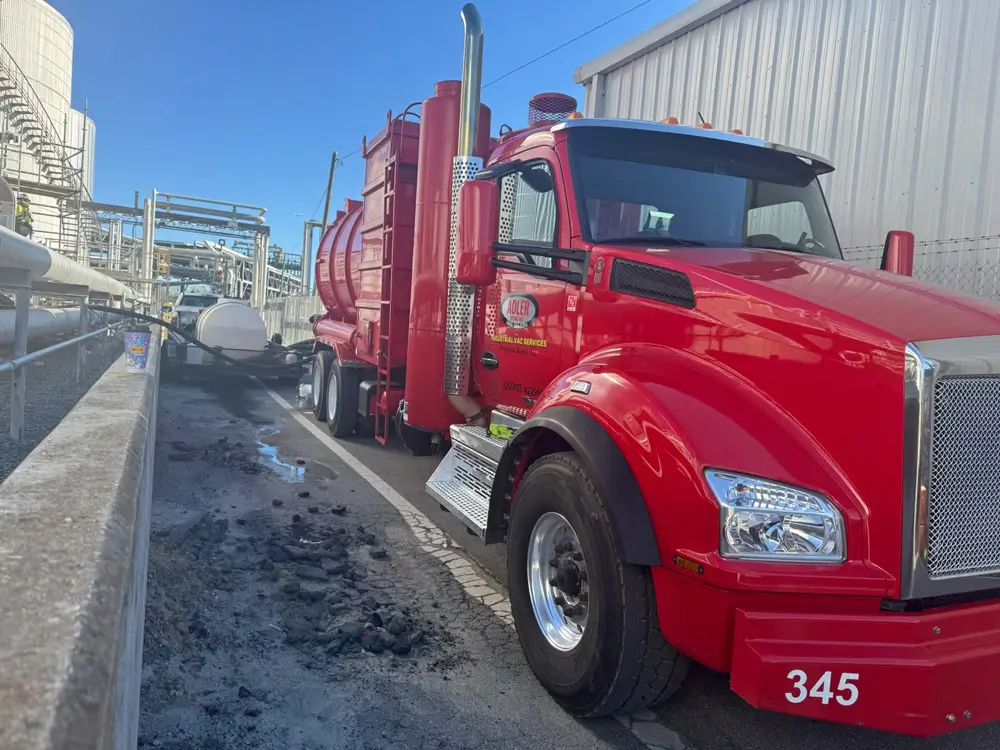
Hydrovac trucks are central to this process. These trucks are equipped with water tanks (holding between 200 and 1,200 gallons), high-pressure pumps, a vacuum blower, and a debris tank (with capacities ranging from 5 to 15 cubic yards). They can operate up to 300 feet from the excavation site, reducing the need for heavy machinery and minimizing traffic disruptions. The vacuum system can include either a fan system, which is ideal for most soil types due to its speed and airflow, or a positive displacement blower, which is better suited for transporting heavier materials over long distances, such as when digging 20-foot piling holes. In colder climates, hydrovac units often feature onboard heaters that supply hot water to melt frozen ground without increasing pressure to unsafe levels. These capabilities make hydro excavation a precise and effective method for protecting underground utilities.
The process begins with a water jet, operating at 2,000–2,800 PSI, which turns soil into a slurry. Operators keep the nozzle moving constantly and maintain a safe distance of at least 8 inches from any exposed utility to prevent damage. To ensure safety, the water pressure is capped at 3,000 PSI to avoid harming underground pipes or cables. This controlled approach significantly reduces the risk of accidental utility strikes.
While the water breaks down the soil, a large-diameter hose connected to the vacuum system removes the slurry and transfers it to the debris tank. These systems are powerful, capable of pulling up to 6,000 cubic feet of material per minute. The equipment’s boom can extend up to 24 feet, allowing for precise operation even in tight or hard-to-reach areas. Once the slurry is collected, it is stored in the truck’s debris tank and transported to an appropriate disposal site.
Hydro excavation has a range of practical applications. One of the most common is daylighting, where utilities are exposed for visual inspection. This allows workers to confirm the exact location and condition of buried lines before starting any construction work. Another similar application is potholing, which verifies the depth and location of utilities with minimal digging. Other uses include slot trenching for installing new utility lines, excavating piling holes for foundations, and removing debris from structures or confined spaces. Hydro excavation is particularly effective for locating utilities installed through directional boring, where there’s no disturbed soil to indicate their presence.
Compared to the precision offered by hydro excavation, traditional digging methods come with considerable risks. Equipment like backhoes, trenchers, and dozers often operates without the finesse needed near underground utilities. This heavy machinery removes soil indiscriminately, increasing the likelihood of damaging hidden utility lines. In the U.S., a utility line is struck every six minutes, with an estimated 400,000 to 800,000 such incidents occurring annually.
Since 2000, utility strikes have led to over 400 fatalities and more than 2,000 injuries. These accidents frequently result in punctured water or sewer pipes, severed fiber optic cables, or ruptured gas mains. Kristy Black, Owner & Operator of Black Hydrovac, highlights the gravity of these incidents:
Backhoes alone account for nearly half of all reported utility damage incidents, making them the leading cause of strikes. In 2022, North America recorded 213,792 excavation-related accidents. The average direct cost of a utility strike is around $4,000, but indirect costs – such as project delays and liability – can inflate the total to over $116,000 per incident. In 2023, contractors were deemed responsible for 83% of natural gas-related damages and 92% of telecommunications-related damages. Alarmingly, about 76% of utility strikes could be avoided with better precautions and safer excavation practices. Beyond utility strikes, traditional digging methods also pose risks of trench collapses and cave-ins, injuring roughly 1,000 workers in the U.S. each year. These statistics highlight the urgent need for more precise and safer excavation techniques. Utilizing professional hydrovac excavation services can mitigate these risks effectively.
Modern underground spaces are increasingly crowded, with gas mains, electrical conduits, and fiber optics often buried just inches apart. This leaves little room for error when operating heavy machinery. Traditional methods often depend on operators identifying disturbed soil to locate prior installations. However, utilities installed using directional boring leave no visible signs, making them nearly impossible to detect with mechanical equipment. The risks are further compounded by poor documentation, missing maps of abandoned lines, and misplaced utility flags. Even manual digging with hand tools isn’t risk-free – sharp edges can damage electrical line insulation, creating long-term safety hazards. These challenges make it clear why safer and more precise excavation methods are essential for protecting utilities and workers alike.
Hydro excavation significantly reduces the risk of utility strikes by avoiding direct contact with underground infrastructure. Unlike traditional methods that rely on metal buckets or sharp shovels, which can puncture pipes or cut cables, hydro excavation uses high-pressure water to break up soil into a slurry. This slurry is then vacuumed into a debris tank. Similar vacuum technology is also used for industrial tank cleaning to safely remove waste. The water flows around utilities rather than hitting them directly, effectively eliminating many common risks of damage. This method forms the basis for precise techniques like potholing and controlled soil removal.
The process is highly precise, with water pressure typically adjusted between 2,500 and 3,000 psi to match the soil and subsurface conditions. Once utilities are exposed, operators reduce the pressure and keep the nozzle in constant motion to avoid harm.
Potholing, also known as daylighting, is a technique that involves creating small, precise test holes – typically 8 to 12 inches in diameter – to verify the exact location of utilities. This step is essential when utility maps are unreliable or when underground lines installed via directional boring leave no visible markers on the surface. By digging these test holes first, crews can confirm details like the depth, material, and condition of a utility before starting larger excavation projects. To further protect the utility, operators maintain a safe distance of 6 to 8 inches between the water nozzle and the exposed line, ensuring no damage to protective coatings.
After the soil is liquefied by pressurized water, a vacuum system efficiently removes the slurry through hoses and deposits it into a debris tank. This process ensures that no mechanical tools ever come into contact with the utility line. Even in challenging conditions, such as frozen ground, water heated to under 150°F can melt through ice without requiring aggressive tools that might harm buried infrastructure. This method is gentle enough for delicate fiber optic cables and robust enough for larger gas mains, thanks to the ability to adjust water pressure as needed.
Hydro excavation proves especially useful in crowded urban environments, where excavation challenges are amplified. In cities, utilities are often tightly packed, streets are narrow, and heavy equipment can disrupt traffic. Hydro excavation trucks, however, can operate remotely, parking up to 600 feet away from the dig site. Flexible hoses allow access to tight alleys and busy intersections where traditional machinery would struggle.
For example, in September 2024, a city crew used hydro excavation to replace an aging water main beneath a bustling urban street. The team successfully exposed a complex web of gas, electric, and telecom lines without causing a single utility strike. The project was completed on schedule, avoiding the service disruptions often associated with mechanical digging. This remote operation capability not only minimizes surface disruption but also significantly reduces the risk of damage in densely packed urban areas.
Hydro excavation is known for its precision, but safety hinges on following proper protocols before and during the process. Careful preparation and handling are key to avoiding costly utility strikes.
Before any digging begins, contact your local 811 center at least three business days in advance. This service alerts utility operators in your area – usually 7 to 8 companies per request – who will then send crews to mark underground lines using color-coded paint or flags. Be sure to check the “Positive Response” online to confirm that all utilities have been marked before starting work.
Keep in mind, these markings are not exact. Most states define a “Caution Zone” or “Tolerance Zone” around these marks, typically extending 18 to 24 inches, and in some cases, up to 4 feet. Within this zone, mechanical digging equipment is prohibited, making vacuum excavation services the ideal method. If the paint or flags are disturbed during the project, call 811 immediately to request a re-mark. Additionally, perform a visual inspection of the area for clues like meters, transformers, pedestals, or fire hydrants that might indicate unmarked utilities. These steps are essential for ensuring safety and preventing service disruptions.
Once utilities are clearly marked, the focus shifts to safe equipment operation.
When excavation begins, managing water pressure is critical. Stick to 1,500 psi whenever possible, as pressures above 2,500 psi can damage underground utilities.
Keep the nozzle moving continuously and maintain a distance of 6–8 inches from utilities. Holding the nozzle stationary can cause pressure to build up in one spot, increasing the risk of damage. Always use clean water in the hydro excavator to protect the high-pressure pump. To improve digging performance, consider increasing the gallons per minute (GPM) of your tip rather than raising the pressure setting.
Hydro excavation stands out for its safety, precision, and efficiency, offering clear advantages over traditional digging methods. It not only reduces risks but also streamlines operations and minimizes environmental impact.
By using pressurized water, hydro excavation eliminates the risk of metal-to-metal contact, which is a common cause of utility strikes. This non-destructive method, similar to air excavation, reduces utility strike incidents by up to 90%. Considering the frequency of such strikes, this technology significantly lowers the likelihood of costly accidents.
The financial impact is substantial. Utility damage in the United States racks up an estimated $30 billion annually in repair costs and delays. Hydro excavation helps avoid these expenses by preventing emergency repairs, service outages, and liability claims. This means projects can stay on schedule, communities experience fewer disruptions, and contractors avoid expensive restoration work.
On top of that, hydro excavation reduces the environmental footprint of excavation projects.
Traditional digging methods often displace large amounts of soil, cause erosion, and create sediment runoff that can harm nearby ecosystems. Hydro excavation, on the other hand, uses a vacuum system to collect all soil and water into a debris tank, keeping the worksite clean and protecting the surrounding environment. These versatile units also revolutionize sewer cleaning by providing efficient debris removal in municipal projects. This method also preserves root systems and displaces far less soil.
Fewer machines are needed on-site with hydro excavation – typically just one hydrovac truck, compared to multiple backhoes and dump trucks. This not only reduces emissions from idling equipment but also minimizes the physical footprint of the project. Because the process is so precise, restoration work is minimal, requiring less backfilling and pavement repair when compared to the widespread disruption caused by mechanical digging.
The differences between hydro excavation and traditional digging methods become even clearer when comparing key factors:
| Factor | Hydro Excavation | Mechanical Digging |
|---|---|---|
| Accuracy | Extremely precise; can work within inches of live lines | Relies on operator judgment, increasing the risk of error |
| Risk Level | Low; water prevents direct strikes | High; heavy equipment can easily damage utilities |
| Suitability for Sensitive Areas | Perfect for urban environments and high-utility zones | Requires large clearance and causes significant vibrations |
| Repair Costs | Low; avoids accidental damage and outages | High; frequent strikes lead to emergency repairs and penalties |
| Labor Requirements | Typically needs just a two-person crew | Larger crews are often necessary for digging and monitoring |
| Environmental Impact | Minimal; debris is contained and managed | High; causes erosion and leaves behind large debris piles |
Hydro excavation doesn’t just excel in safety and environmental considerations – it’s also far more efficient. It’s estimated to be 10 times faster and at least 4 times cheaper than traditional methods in many cases. For instance, digging a utility pole hole 24 inches wide and 7 feet deep takes under 15 minutes with hydro excavation, whereas manual or mechanical methods would take significantly longer. Plus, heated water systems allow for year-round operation, even in frozen ground.
Building on the benefits of hydro excavation, Adler Hydro Vac takes these methods a step further to safeguard vital utility infrastructure. With over 40 years of experience in the field, Adler Hydro Vac has earned a reputation for precision excavation that protects underground utilities. Operating across New York City and the Mid-Atlantic region, the company employs state-of-the-art vacuum trucks and hydro excavation tools tailored for utility protection. This expertise forms the foundation of their specialized services.
Adler Hydro Vac uses high-pressure water jets and industrial-grade vacuums to safely expose buried utilities, such as electrical cables, gas lines, water pipes, and telecom systems. Their equipment is designed to handle tough conditions, including frozen ground with heated water systems and compacted, rocky soils where traditional methods often fall short.
The company also provides Subsurface Utility Engineering (SUE) services, which deliver precise mapping of underground utilities before excavation begins. This minimizes the risk of accidental strikes and costly delays. Additional offerings include potholing and daylighting, which confirm the exact horizontal and vertical positions of buried utilities, ensuring safe and accurate excavation. For new installations, Adler performs slot trenching, creating narrow trenches that reduce ground disturbance while safeguarding nearby utility lines.
Adler’s vacuum systems are specifically designed for utility-focused projects, delivering high material removal rates while maintaining precise control over water pressure. Operators can customize settings to meet the requirements of utility owners – for example, some gas line owners mandate a maximum pressure of 2,200 psi to safely expose their assets.
Adler Hydro Vac emphasizes safety and efficiency in every project. They specialize in excavation services that prioritize the accurate location and protection of underground utilities. Their process begins with a detailed site assessment to evaluate soil conditions and identify potential utility conflicts before excavation starts. The company follows rigorous safety standards, ensuring both workers and infrastructure remain protected.
To further streamline operations, Adler offers a 24-hour response time for job estimates, allowing contractors to quickly develop excavation plans tailored to the specific challenges of each site. By combining advanced technology with a steadfast focus on safety, Adler Hydro Vac continues to set the standard for utility protection services.
Hydro excavation has reshaped how underground utility work is approached. With an extensive network of underground utilities and frequent accidental strikes, the need for precise excavation methods has never been more important. Traditional mechanical digging methods come with serious risks, such as gas leaks, power outages, worker injuries, and delays. Hydro excavation addresses these issues by using pressurized water to break up soil and a vacuum system to safely remove it, exposing utilities with care.
This method allows projects to progress more efficiently, often requiring only two operators. It also minimizes site disruption, which translates to lower restoration costs. Whether tackling frozen ground with heated water systems or navigating tight urban spaces with long-reach hoses, hydro excavation delivers consistent results where mechanical digging often falls short.
The efficiency and precision of hydro excavation highlight why it’s become a cornerstone of modern excavation practices. Contractors turn to skilled hydro excavation providers to ensure success. Adler Hydro Vac, with over 40 years of experience, serves New York City and the Mid-Atlantic region, offering advanced vacuum trucks, rigorous safety measures, and a 24-hour response time for estimates.
Preventing damage to underground utilities not only avoids costly repairs and service interruptions but also keeps projects on schedule. When accuracy matters most, hydro excavation is the clear choice.
Hydro excavation is a digging method that relies on high-pressure water to break up soil and a vacuum system to remove the loosened debris. Unlike traditional digging techniques that use sharp tools or heavy machinery, this approach significantly reduces the risk of accidentally damaging underground utilities such as gas lines, electrical cables, and water pipes.
This method offers a safer and more precise alternative, making it ideal for projects in areas with dense utility networks or near delicate infrastructure. By minimizing the chance of costly repairs, delays, and safety hazards, hydro excavation ensures smoother project execution with fewer complications.
Hydro excavation offers a precise, non-invasive way to manage underground utilities in crowded urban areas. This method is widely used to locate and expose gas lines, water mains, electric cables, and communication conduits before starting excavation, significantly lowering the risk of accidental damage. It’s also a go-to solution for installing new utility lines in confined spaces, handling emergency repairs, and prepping sites for projects like sidewalks, roads, and building foundations.
What makes hydro excavation particularly useful in bustling city environments is its ability to minimize soil disruption while protecting existing infrastructure. It allows contractors to safely uncover utilities, remove abandoned lines, and assist with trenchless boring projects – all while maintaining high levels of safety and efficiency. Adler Hydro Vac employs these advanced techniques to provide dependable excavation services for utility work, construction, and emergency response projects in cities across the U.S.
Hydro excavation combines high-pressure water with a strong vacuum to carefully and accurately remove soil. Unlike traditional mechanical digging, which can easily damage underground utilities like gas lines, water pipes, or electrical cables, this method significantly reduces those risks.
Another advantage is its eco-conscious approach. By relying less on heavy, fuel-hungry machinery and causing minimal soil disturbance, hydro excavation requires less site restoration and leaves behind a smaller environmental impact. Its precision and efficiency make it a cleaner, safer option for excavation work.