Savannah, Georgia, is home to one of the Southeast’s most important coastal infrastructure networks. From the Port of Savannah and surrounding industrial facilities to waterfront developments, marine terminals, and municipal utilities, construction along Georgia’s coast requires a careful approach to underground excavation.
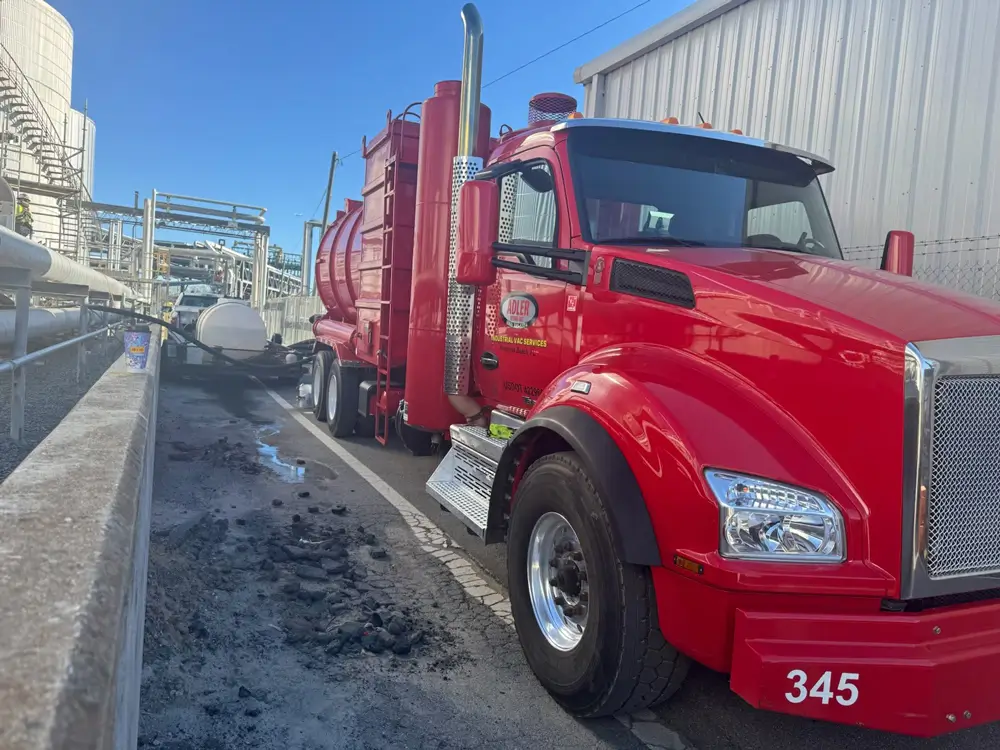
Hydro excavation helps Savannah contractors protect underground utilities, expose buried infrastructure, and complete precise excavations near waterfront facilities and environmentally sensitive coastal areas. By using pressurized water to loosen soil and powerful vacuum equipment to recover excavated material, hydro vac trucks can reduce the need for direct mechanical digging around critical infrastructure.
For contractors, engineers, municipalities, and industrial operators working throughout Savannah, Chatham County, and coastal Georgia, hydro excavation services provide an effective solution for utility daylighting, underground infrastructure maintenance, and targeted excavation near sensitive structures.
Adler Hydro Vac provides hydro excavation services throughout Georgia, supporting commercial, industrial, municipal, and coastal infrastructure projects.
Construction in Savannah and surrounding coastal communities presents challenges that differ from those encountered in inland Georgia. The region’s tidal waterways, marshlands, variable groundwater conditions, and established industrial infrastructure can complicate underground utility work.
Contractors working near the Savannah River, Garden City, Pooler, Richmond Hill, Tybee Island, and Brunswick may encounter several excavation challenges:
These conditions make precise excavation especially important. Unlike traditional mechanical excavation, hydro vac excavation can remove soil from targeted areas while limiting direct contact with buried infrastructure.
However, all excavation methods require proper safety planning. The Occupational Safety and Health Administration (OSHA) emphasizes the importance of evaluating soil conditions, groundwater, nearby structures, and underground utilities before excavation begins.
One of the most valuable applications of hydro excavation in Savannah is protecting existing underground utilities during construction and maintenance.
Buried infrastructure in coastal Georgia may include:
Damaging these systems can interrupt essential services, delay construction, and create significant safety hazards.
Adler’s underground utility excavation services help contractors expose existing infrastructure before new construction, repairs, or utility installation begins.
Before excavating near existing infrastructure, contractors need to verify where utilities are located and how deep they are buried.
Utility daylighting and potholing services use targeted excavations to expose buried utilities for visual inspection.
These processes help construction teams:
Adler also provides utility locating support and physical utility verification to help contractors plan excavation around critical underground systems.
Before excavation begins, contractors should follow the appropriate notification requirements through Georgia 811. Georgia law generally requires advance notification before mechanized excavation so participating utility operators can mark their facilities.
Private utility systems, including infrastructure within ports, industrial properties, and marine facilities, may require additional locating beyond the standard 811 process.
The Savannah region’s maritime and logistics infrastructure depends on extensive underground utility networks. Marine terminals, warehouses, manufacturing facilities, and transportation corridors rely on electrical systems, communications infrastructure, water distribution, drainage, and industrial piping.
When these facilities expand or upgrade their infrastructure, contractors must often excavate near active underground systems without unnecessarily disrupting surrounding operations.
Hydro excavation is particularly useful for targeted utility exposure and verification in these environments.
Hydro vac trucks can support port and industrial infrastructure projects through:
Adler’s utility excavation services support contractors working around underground electrical, water, gas, and telecommunications infrastructure.
For facilities requiring additional material recovery or maintenance, Adler also offers industrial vacuum and cleaning services.
Piers, docks, marinas, bulkheads, and waterfront facilities often contain utility systems that supply power, water, communications, and other essential services.
These utilities may be located beneath access roads, near shoreline structures, along dock approaches, or around existing foundations.
Excavating in these areas requires special attention because damage to buried infrastructure can affect both waterfront operations and nearby facilities.
For accessible, land-based excavation near waterfront structures, hydro vac services can support several construction and maintenance applications.
By using non-destructive hydro excavation techniques, contractors can reduce direct mechanical contact with identified buried utilities.
Hydro excavation is not a substitute for underwater excavation or specialized marine engineering. Its role is generally focused on accessible land-based infrastructure and utility connections where site conditions permit.
Georgia’s coastal marshlands are essential to the region’s environmental health. Wetlands and tidal marshes support wildlife, fisheries, water quality, and natural shoreline functions.
Construction near these environments requires careful management of soil disturbance, sediment, water, and excavated material.
Hydro excavation can help limit the footprint of certain utility excavations by removing material from targeted areas instead of disturbing larger sections of ground.
When properly planned and managed, hydro excavation offers several advantages for sensitive coastal construction sites:
These benefits depend on proper operating procedures. Hydro excavation still requires careful management of water pressure, slurry, groundwater, and recovered materials.
The U.S. Environmental Protection Agency’s construction stormwater guidance outlines practices for reducing sediment runoff, managing construction materials, and protecting nearby waterways.
Projects involving tidal marshes, wetlands, or navigable waters may require additional environmental review or permits before excavation begins.
The Georgia Department of Natural Resources Coastal Resources Division administers important coastal protection programs, including requirements associated with the Coastal Marshlands Protection Act.
Depending on the location and scope of work, federal authorization may also be required through the U.S. Army Corps of Engineers Savannah District Regulatory Program.
Contractors and project owners should confirm applicable requirements before beginning work in regulated coastal areas.
Savannah’s coastal location can create challenging subsurface conditions, particularly in low-lying areas near tidal waterways and marshlands.
Groundwater infiltration and saturated soils can complicate excavation, utility identification, and soil stability.
Hydro excavation equipment can remove loosened soil and water from targeted excavation areas, helping crews expose infrastructure in wet conditions.
Common applications include:
However, hydro excavation does not eliminate the need for trench protection, groundwater controls, or engineered excavation support.
OSHA’s excavation protective system requirements establish important safety obligations for excavations where cave-in hazards are present.
Adler’s hydro vac excavation capabilities can be incorporated into broader excavation plans that address the specific conditions of each coastal construction site.
Stormwater infrastructure is especially important in low-lying coastal communities where heavy rainfall, tidal influences, and expanding development can place pressure on drainage systems.
Municipalities, industrial facilities, and commercial property owners depend on underground stormwater infrastructure to manage runoff and protect developed areas.
Hydro excavation can support stormwater construction and repair projects by providing targeted access to buried drainage infrastructure.
Applications include:
The EPA explains how urban stormwater runoff can transport sediment, chemicals, and other pollutants into waterways, highlighting the importance of effective drainage and pollution prevention practices.
Adler’s industrial and municipal service capabilities include vacuum cleaning, stormwater system support, and underground infrastructure services.
Hydro excavation supports a broad range of construction and maintenance applications throughout the Savannah region and Georgia’s coastal communities.
Commercial development, industrial utility upgrades, underground electrical systems, municipal infrastructure, and excavation around established utility networks.
Utility exposure, telecommunications infrastructure, stormwater improvements, and industrial maintenance near logistics and manufacturing facilities.
Commercial construction, warehouse development, underground utility installation, electrical infrastructure, and expanding industrial facilities.
Municipal utility improvements, commercial development, underground water and sewer infrastructure, and construction near sensitive coastal environments.
Targeted excavation for utility repairs, drainage infrastructure, waterfront facility maintenance, and underground connections near existing coastal structures.
Marine infrastructure, port-related utility systems, industrial facilities, commercial development, and underground utility maintenance.
For information about service availability across the state, visit Adler’s Georgia hydro excavation and industrial vacuum services page.
Hydro excavation and conventional mechanical excavation serve different purposes. The best method depends on the project scope, underground infrastructure, soil conditions, and site access.
| Project Consideration | Hydro Excavation | Traditional Excavation |
|---|---|---|
| Underground utility exposure | Controlled removal around identified utilities | Greater potential for direct mechanical contact |
| Excavation footprint | Well suited to targeted openings | Often better for broad excavation areas |
| Wet or saturated soil | Vacuum recovery can assist with material removal | May require separate water management |
| Confined work areas | Useful when truck and hose access are available | May be limited by equipment maneuverability |
| Excavated material | Collected in a debris tank | Typically stockpiled or transported separately |
For projects involving congested underground utilities, marine infrastructure connections, or environmentally sensitive locations, hydro excavation can provide greater control over the excavation process.
Adler Hydro Vac provides specialized hydro excavation and industrial vacuum services throughout Georgia, including the Savannah region.
With experience supporting commercial, industrial, and municipal infrastructure, Adler helps contractors complete precision excavation and underground utility work while prioritizing safety and project efficiency.
Adler’s capabilities include:
Whether your project involves a port utility upgrade, waterfront construction, underground electrical infrastructure, or municipal drainage improvements, Adler can help determine the appropriate hydro excavation approach for your site.
Planning a hydro excavation project in Savannah, Chatham County, or coastal Georgia?
Explore Adler’s Georgia Hydro Excavation Services or contact Adler Hydro Vac to discuss your project and request a quote.