Hydro blasting is a high-pressure water cleaning method that power plants use to remove stubborn deposits from critical equipment like boilers, turbines, and pipelines. It improves efficiency, reduces downtime, and extends equipment life while maintaining safety standards. Unlike older cleaning methods that risk damaging equipment or require hazardous manual labor, hydro blasting is precise, effective, and safer for workers.
Key benefits include:
Hydro blasting plays a crucial role in maintaining key equipment within power plants. This precise cleaning method uses high-pressure water to remove stubborn build-up without causing damage, making it ideal for various systems. Below are some of the most common applications where hydro blasting enhances cleaning processes in power plants.
Boiler tubes often accumulate deposits that hinder heat transfer and reduce efficiency. Hydro blasting tackles these deposits by using carefully calibrated water pressure, tailored to the type of build-up and the tube material. Its high-pressure jets can reach tight spaces between tube banks – areas that manual cleaning methods often can’t access. Additionally, remote-controlled equipment minimizes the risk to workers by reducing the need to enter confined spaces. This method not only improves safety but also ensures the boiler system operates smoothly and efficiently.
Turbine blades and heat exchangers are prone to residue build-up over time. Even minor deposits on turbine blades can disrupt airflow, while fouling in heat exchangers can impair heat transfer. Hydro blasting solves these issues by using high-pressure water jets that can adapt to the intricate shapes of these components. The pressure can be adjusted to clean delicate parts gently or to remove tougher residues effectively.
This method not only keeps these systems running efficiently but also extends their lifespan, reducing the need for frequent repairs or replacements.
Power plants rely on extensive networks of pipelines, storage tanks, and condenser tubes, all of which can experience build-up over time. Internal deposits in pipelines can restrict flow and increase energy costs, while sediment in storage tanks reduces capacity and compromises material quality. Condenser tubes, often made from sensitive materials, require a gentle yet effective cleaning approach to avoid damage. Hydro blasting offers customizable pressure and flow settings, ensuring thorough cleaning while maintaining the integrity of these components. This process helps improve system performance, reduces operational risks, and enhances overall safety.
Power plants can lose millions of dollars for every minute they’re offline. Hydro blasting offers a powerful cleaning solution that helps prevent costly interruptions, ensuring equipment stays operational and efficient.
Hydro blasting is a game-changer when it comes to avoiding unexpected stoppages. Equipment failures caused by residue buildup can halt operations and rack up hefty repair bills. Hydro blasting effectively removes stubborn deposits and buildup, restoring optimal material flow in critical components like boiler tubes, pipelines, cooling towers, and even storage facilities such as asphalt silos, where material often hardens at cone areas.
By addressing these issues proactively, hydro blasting reduces the likelihood of unplanned shutdowns and keeps operations running smoothly.
In power plants, maintaining the longevity of equipment is just as important as keeping it clean. Traditional cleaning methods often involve abrasive techniques that can erode equipment surfaces over time. Hydro blasting, on the other hand, uses high-pressure water jets that clean thoroughly without causing damage.
This precise approach not only removes deposits but also preserves the structural integrity of components, extending their lifespan. Water jet pressure can be fine-tuned to suit specific equipment needs, delivering effective cleaning while minimizing wear and tear. The result? Lower maintenance costs and a more predictable schedule for equipment replacement.
When compared to traditional cleaning methods, hydro blasting stands out for its superior performance, safety, and efficiency.
Here’s how it measures up:
| Feature | Hydro Blasting | Traditional Cleaning Methods |
|---|---|---|
| Cleaning Effectiveness | Excels at removing tough residues and buildup | Often struggles with stubborn deposits, requiring multiple cleaning cycles |
| Equipment Wear | Gentle yet thorough; preserves equipment integrity | Can involve abrasive techniques that may damage surfaces |
| Safety | Safer; reduces reliance on manual labor in confined spaces | Often requires hazardous manual cleaning methods |
| Downtime Duration | Shorter cleaning times minimize operational downtime | Longer downtime due to less efficient cleaning processes |
| Operational Impact | Ensures reliable cleaning to keep schedules on track | Cleaning inefficiencies can lead to delays |
Hydro blasting also enhances safety by reducing the need for manual labor in confined or high-risk areas. This streamlined process aligns with Adler Hydro Vac’s commitment to safe and efficient maintenance practices, making it an ideal choice for power plant operations.
When it comes to hydro blasting at power plants, keeping workers and equipment safe is just as important as getting the job done efficiently. Advanced technologies combined with strict safety protocols ensure that operations run smoothly while minimizing risks.
Hydro blasting safety begins with proper training and mandatory operator certifications. These measures equip workers with the knowledge to handle high-pressure systems responsibly. Power plants are also adopting non-invasive cleaning methods, which eliminate the need for workers to enter confined spaces. This shift not only reduces risks but also enhances overall safety standards. On top of these protocols, cutting-edge technologies are playing a big role in making operations even safer.
One of the most groundbreaking advancements in hydro blasting is the use of automated and remote-controlled tools. Operators can now clean hard-to-reach areas using remote-controlled units equipped with flexible hoses and robotic cleaning heads. This approach keeps workers out of harm’s way while still delivering thorough results.
Additionally, automated pressure control systems and camera-guided precision targeting take safety to the next level. These systems allow for real-time adjustments to cleaning parameters, ensuring effective cleaning without putting workers in hazardous situations. These innovations align perfectly with the industry’s focus on safety and efficiency.
Adler Hydro Vac has set a high bar for safety with its advanced water jet systems, designed to protect both personnel and equipment while adhering to strict regulatory requirements.
Adler Hydro Vac ensures safety through continuous monitoring, regular equipment inspections, and ongoing worker training. These efforts not only help power plants maintain strong safety records but also deliver exceptional cleaning results. By integrating these robust safety measures, power plants can keep operations running smoothly while minimizing risks.
Hydro blasting in power plants requires the right tools to tackle tough cleaning tasks while safeguarding delicate components. Modern systems combine high-powered water delivery with precise controls, making it easier to remove persistent buildups efficiently. Here’s a closer look at the key equipment used in these operations.
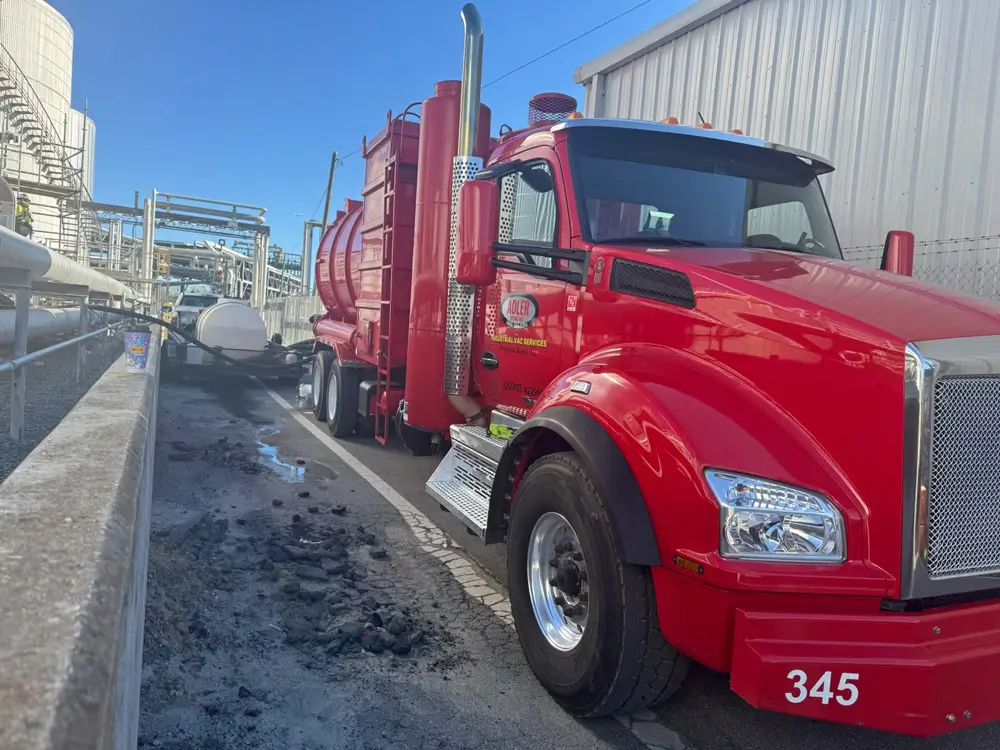
Truck-mounted water jetting units are the backbone of hydro blasting. These mobile systems pack everything needed for the job, including large water tanks, robust pumps, and advanced control systems, ensuring a steady and reliable water pressure throughout the cleaning process. Operating at pressures ranging from 5,000 to 40,000 psi, they’re versatile enough to handle everything from gentle cleaning of sensitive areas to breaking down hardened deposits.
The truck-mounted design is especially practical, allowing operators to position the equipment closer to the worksite. This reduces the length of hoses, which can otherwise lead to pressure drops, and minimizes setup time, keeping operations running smoothly and efficiently.
One of the standout features of modern hydro blasting systems is the ability to fine-tune pressure and flow rate settings to meet specific cleaning needs.
Adjusting these settings independently gives operators precise control. For instance, lower pressures combined with higher flow rates are ideal for clearing loose debris, while higher pressures with controlled flow rates are better suited for breaking down tough deposits without risking damage to equipment. This level of customization not only improves cleaning effectiveness but also helps extend the lifespan of power plant components, ensuring they remain in top condition for longer periods.
Hydro blasting plays a key role in improving power plant operations. By effectively clearing buildup from essential components, it enhances overall efficiency. This method also stands out for its speed, allowing for quicker cleaning compared to older techniques, which helps reduce downtime and keep operations running smoothly.
Hydro blasting provides power plants with an efficient way to clean equipment like boilers, turbines, and heat exchangers. Using high-pressure water, it effectively removes tough debris, scale, and buildup. Unlike traditional methods that rely on harsh chemicals or time-consuming manual scrubbing, hydro blasting works faster, cuts down on labor costs, and lowers the risk of damaging equipment.
By keeping essential systems in better condition, hydro blasting helps extend machinery lifespan, minimize unplanned downtime, and avoid expensive repairs. The combination of long-term cost savings and improved operational performance makes it a key maintenance method for power plants today.
During hydro blasting in power plants, maintaining safety is a top priority. Workers rely on personal protective equipment (PPE) like helmets, face shields, gloves, and steel-toe boots to shield themselves from high-pressure water and flying debris. These safeguards are essential for reducing the risk of injuries.
Beyond protective gear, workers undergo thorough training on operating procedures and emergency response to ensure they’re prepared for any situation. Regular inspections and maintenance of equipment are also critical to avoid unexpected malfunctions. To further enhance safety, clearly marked zones are set up to keep unauthorized individuals at a safe distance from the work area. These measures collectively help create a secure environment for hydro blasting operations in power plants.
Hydro blasting is an effective way to clean various power plant equipment, such as boilers, turbines, and heat exchangers. It’s particularly valued for its ability to remove tough deposits and buildup without causing damage to the surfaces, helping maintain both efficiency and safety.
That said, it’s not suitable for every situation. Some materials or components in equipment may not handle the high-pressure water safely. For example, delicate or highly sensitive parts might need alternative cleaning methods to prevent damage. It’s always a good idea to consult with experts to ensure hydro blasting is the right choice for your specific equipment.