Gravel buildup on commercial roofs is one of the leading causes of drainage problems, standing water, membrane damage, and costly structural repairs on flat roofing systems. Over time, loose gravel and debris accumulate on built-up roofing (BUR) systems, especially around drains and low areas, preventing proper water flow and accelerating roof deterioration.
Professional roof vacuuming services and BUR gravel removal help commercial buildings maintain proper drainage, reduce structural stress, and extend roof lifespan. In Texas, severe weather conditions—including heavy rain, high winds, hailstorms, and extreme heat—cause gravel displacement to occur more rapidly, making routine commercial roof debris removal essential.
According to the Federal Emergency Management Agency (FEMA), excess water weight and poor drainage can increase structural stress and lead to long-term building damage.
Built-up roofing (BUR) systems use gravel to protect roofing membranes from UV exposure, heat, and weather-related wear. Over time, gravel begins to loosen and shift across the roof surface due to weather conditions, roof aging, and drainage issues.
In Texas, rainwater pushes gravel toward drains, gutters, and scuppers where it accumulates and creates blockages. High winds redistribute gravel unevenly across the roof surface, while extreme heat weakens roofing materials and allows gravel to migrate more easily.
Older commercial roofs—especially BUR roofs over 20 years old—are more vulnerable, making regular roof vacuuming services critical for maintaining performance.
Gravel buildup can create serious structural and drainage issues if not addressed through BUR gravel removal services.
The Environmental Protection Agency (EPA) notes that moisture buildup can lead to mold growth and building material deterioration.
Loose gravel naturally migrates toward roof drains and scuppers where it compacts and restricts water flow. Blocked drains cause standing water to collect on flat roofs, increasing the risk of leaks and roof deterioration.
Regular BUR gravel removal services ensure drainage systems remain clear and functional.
Standing water can also create slip hazards and additional roof stress.
The Occupational Safety and Health Administration (OSHA) emphasizes the importance of maintaining safe roof surfaces and minimizing hazards caused by water accumulation.
Water retained on commercial roofs adds significant weight to the roofing system and support structure. Over time, this excess weight can weaken roofing materials and contribute to structural deterioration.
The American Society of Civil Engineers (ASCE) notes that water intrusion and excess structural loading can accelerate infrastructure deterioration over time.
Gravel acts as a protective barrier for roofing membranes. When gravel is displaced, membranes are exposed to:
This leads to cracking, blistering, and premature roof failure. Professional roof vacuuming services help redistribute or remove gravel to restore protection.
Poor drainage and trapped moisture caused by gravel buildup can contribute to:
The Environmental Protection Agency (EPA) notes that excess moisture buildup can lead to mold growth and structural material damage.
Texas commercial roofs are exposed to some of the harshest environmental conditions in the country, increasing the need for regular roof vacuuming and gravel removal services.
The Centers for Disease Control and Prevention (CDC) notes that extreme weather events increase structural and environmental risks for buildings.
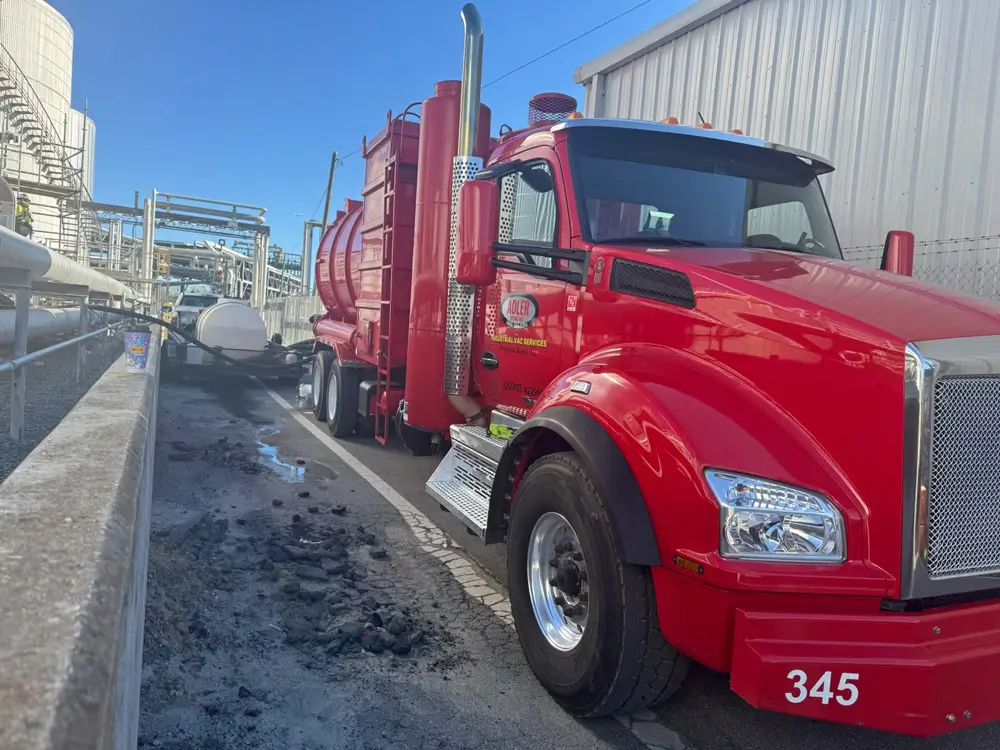
Professional commercial roof vacuuming services safely remove loose gravel, debris, and standing water from flat roofing systems using industrial vacuum equipment and vacuum trucks.
Commercial roof vacuuming services are commonly used for:
Professional roof vacuuming is especially beneficial for large commercial buildings, warehouses, industrial facilities, and high-rise properties.
The National Roofing Contractors Association (NRCA) recommends regular roof inspections and maintenance to help extend the lifespan of commercial roofing systems and reduce costly repairs.
When gravel is embedded, hydro vacuum services use pressurized water and vacuum suction to safely remove debris without damaging the roof.
Hydro excavation is ideal for:
Routine gravel removal and roof vacuuming services provide several important benefits for Texas commercial buildings.
Professional commercial roof debris removal also reduces labor costs and improves safety.
The OSHA safety guidelines emphasize proper handling of materials and fall protection during roof work.
The U.S. General Services Administration (GSA) emphasizes preventive roof maintenance and drainage management to reduce long-term building repair costs.
Routine maintenance is essential for preventing gravel buildup and protecting commercial roofing systems in Texas.
After severe Texas weather, inspect roofs immediately to identify gravel displacement and drainage issues.
Gravel buildup is one of the leading causes of commercial roof damage in Texas. Without proper maintenance, it can lead to blocked drainage, membrane failure, and costly repairs.
Using professional roof vacuuming services and BUR gravel removal services ensures safe, efficient cleaning while protecting the roof structure.
Adler Hydro Vac provides advanced solutions for commercial roof cleaning, helping businesses extend roof life and prevent damage.
To schedule service, visit Adler Hydro Vac.
—
Signs include standing water, clogged drains, and interior leaks. Regular inspections help identify problems early.
Schedule an inspection within a few days to prevent further damage and identify gravel displacement.
Yes. Professional roof vac services are designed to remove debris without damaging the roof membrane.
Gravel helps protect BUR roofing membranes from UV exposure, heat, and weather-related wear. However, displaced gravel can create drainage problems if not properly maintained.
Most Texas commercial roofs should receive inspections and maintenance at least twice per year, along with post-storm roof cleaning as needed.
Delivering safe, compliant cleanup and excavation to support remediation and environmental response.