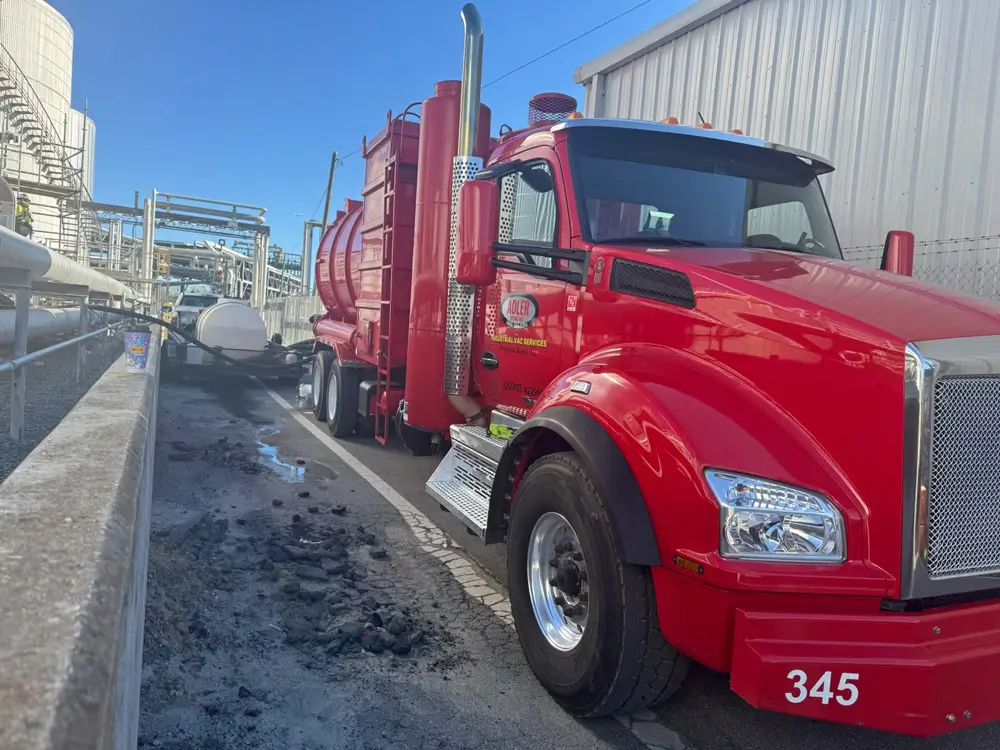
Anyone who has worked on a construction site in Oklahoma knows that not all soil is created equal. While every excavation project comes with its own challenges, Oklahoma’s clay-rich soil can make digging especially difficult. From commercial construction and utility installation to pipeline maintenance and municipal infrastructure projects, contractors often have to deal with soil that changes dramatically depending on the weather.
During long, dry stretches, Oklahoma clay becomes hard, compact, and difficult to penetrate with traditional excavation equipment. After rain, that same soil absorbs moisture, turning into a dense, sticky material that clings to buckets, trenchers, and machinery. These changing conditions can slow productivity, increase labor costs, and create additional safety concerns on the job site.
As Oklahoma continues to grow—with new commercial developments, utility expansions, roadway improvements, and energy projects—contractors need excavation methods that can keep up. Projects like these often benefit from precision hydro excavation services that minimize disruption while safely exposing underground infrastructure. Increasingly, companies across the state are choosing hydro excavation because it offers a safer, cleaner, and more efficient way to work in challenging soil conditions while protecting underground infrastructure.
Clay soil behaves differently than sandy or loose soils because its particles are extremely small and tightly packed together. This creates a dense soil structure that is difficult for traditional excavation equipment to break apart.
According to the Oklahoma Geological Survey, soil composition varies across the state, with expansive clay soils common in many regions that can significantly affect construction and excavation activities.
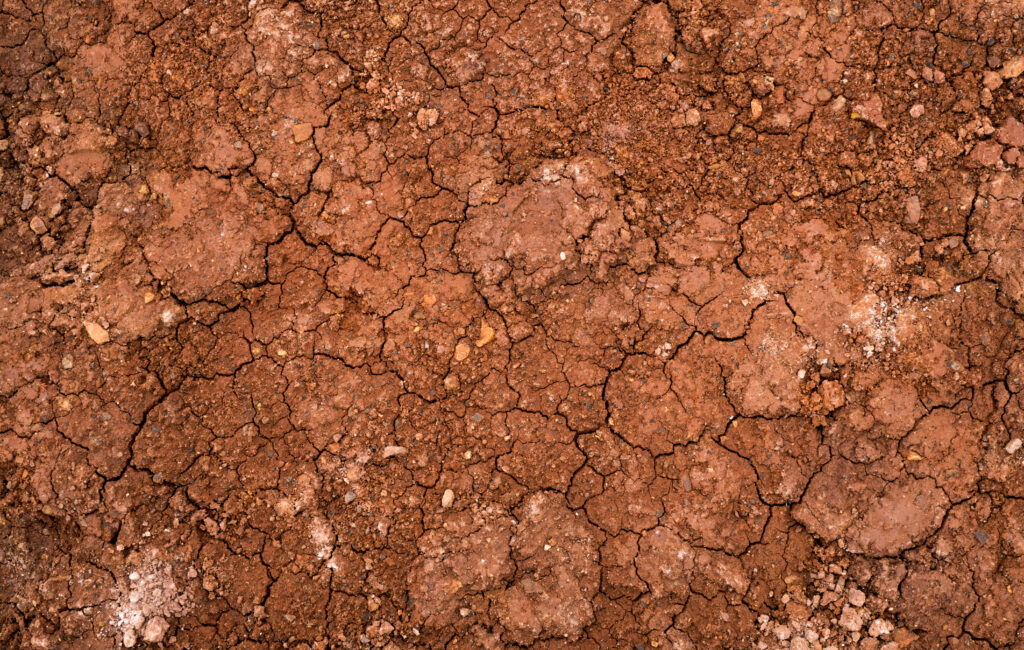
One of the biggest challenges is that clay constantly changes with the weather. During Oklahoma’s hot summers, the soil dries out and hardens, often requiring significant force to excavate. Following periods of rain, however, the clay absorbs water and expands, becoming heavy, sticky, and much harder to handle efficiently.
Oklahoma’s hot summer temperatures can also increase physical demands on excavation crews, making efficient excavation methods that reduce manual labor especially valuable.
These conditions don’t just slow excavation—they also increase wear on equipment, extend project timelines, and create additional cleanup around the job site. Contractors may find themselves switching excavation strategies depending on the season, making consistency difficult on long-term projects.
The soil itself isn’t the only challenge. Beneath Oklahoma’s roads, commercial properties, and industrial facilities lies an increasingly complex network of underground infrastructure. Water lines, sewer systems, electrical conduits, natural gas pipelines, fiber optic cables, and telecommunications lines often occupy the same utility corridors. Excavating around these utilities requires precision, especially as infrastructure continues to expand throughout the state.
Before any excavation begins, accurately identifying buried utilities is essential for protecting infrastructure and preventing costly delays. This is why utility locating is considered a critical first step on construction and infrastructure projects throughout Oklahoma. Learn more in our guide to utility locating in Oklahoma.
Contractors should also always contact Oklahoma 811 to have underground utilities located before digging. Requesting utility locates helps reduce the risk of damaging buried infrastructure and improves overall job site safety.
Backhoes, excavators, trenchers, and other mechanical equipment remain valuable tools on many construction projects. However, when working in dense clay soil or around buried utilities, these methods can present several challenges.
Dry Oklahoma clay often requires repeated passes to break through compacted soil. This places additional stress on buckets, cutting edges, teeth, and hydraulic systems, leading to increased maintenance and equipment downtime.
After rainfall, excavation can become equally frustrating. Wet clay sticks to equipment, increases the weight of excavated material, and creates muddy work areas that require additional cleanup. Instead of moving efficiently from one task to the next, crews may spend valuable time dealing with difficult soil conditions.
Perhaps the greatest concern with mechanical excavation is the potential for damaging underground infrastructure.
Even when utility locations have been marked, traditional digging equipment can accidentally contact buried gas lines, water mains, electrical conduits, or fiber optic cables. These utility strikes can result in expensive repairs, project delays, environmental impacts, and serious safety hazards.
For contractors, avoiding utility damage isn’t just about preventing repair costs—it’s also about protecting workers and maintaining project schedules.
As underground infrastructure becomes more congested, many contractors are turning to non-destructive digging methods to reduce risk. Our article on how hydro excavation prevents utility damage takes a closer look at the advantages of this approach.
Compared to traditional digging, hydro excavation has become one of the preferred excavation methods for projects involving difficult soil conditions because it replaces brute force with precision.
Rather than cutting into the ground with heavy mechanical equipment, hydro excavation uses a combination of pressurized water and a powerful vacuum system. The water breaks apart compacted soil while the vacuum immediately removes the resulting slurry into an enclosed debris tank.
This approach creates a controlled excavation process that is particularly effective in Oklahoma’s clay-rich soil.
Dry clay can be extremely difficult to penetrate with traditional equipment alone. Pressurized water softens and loosens compacted soil, allowing crews to excavate without excessive force.
Instead of fighting against dense ground conditions, operators can remove soil more efficiently while reducing stress on equipment.
One of hydro excavation’s greatest strengths is its versatility. Whether the soil is dry and compact or wet and heavy after rainfall, the combination of water and vacuum technology allows operators to maintain consistent excavation performance throughout the year.
This flexibility is especially valuable in Oklahoma, where weather conditions can change rapidly between seasons.
Traditional excavation often leaves large piles of spoil beside trenches or excavation areas. Hydro excavation eliminates much of this mess by transferring excavated material directly into the vacuum truck’s debris tank.
Cleaner work areas improve organization, reduce trip hazards, and simplify cleanup once the project is complete. They also minimize disruption to nearby businesses, roadways, and surrounding properties.
Perhaps the greatest advantage of hydro excavation is its ability to safely expose underground infrastructure.
Because operators can remove soil with precision, hydro excavation significantly reduces the likelihood of damaging buried utilities. This makes it an ideal solution for utility locating, daylighting, pipeline work, and projects where existing infrastructure must remain undisturbed.
Instead of guessing where utilities are located or relying solely on mechanical digging, contractors can carefully expose underground lines before continuing with construction.
Hydro excavation removes only the soil that needs to be excavated. Smaller excavation areas mean less damage to pavement, landscaping, sidewalks, and surrounding property.
For municipalities, commercial property owners, and industrial facilities, this translates into lower restoration costs and less disruption after excavation work is complete.
Choosing the right excavation method doesn’t just affect how quickly a project is completed—it can also influence worker safety, project costs, utility protection, and overall efficiency. While traditional excavation methods still play an important role on many job sites, hydro excavation offers several advantages that make it the preferred choice for many projects in Oklahoma’s challenging clay soil.
Traditional digging methods rely on heavy machinery and mechanical force, which can increase the risk of striking buried utilities or creating unsafe working conditions around trenches. Safety should always be the top priority on any excavation project. Following proper excavation procedures—including trench safety, utility awareness, and protective systems—is essential for reducing risks on construction sites. OSHA provides excavation and trenching safety standards that help contractors create safer working environments.
Hydro excavation instead uses pressurized water to loosen soil and a powerful vacuum to remove it, crews can expose underground infrastructure with much greater precision. This non-destructive excavation method helps reduce the risk of damaging gas lines, electrical conduits, water mains, sewer lines, and fiber optic cables.
Organizations like the Common Ground Alliance continue to promote damage prevention best practices because preventing utility strikes protects workers, infrastructure, and surrounding communities.
Reducing manual digging and minimizing the use of mechanical equipment around existing utilities also creates a safer environment for workers. Following safe excavation practices is an important part of every project, especially when working around buried infrastructure.
At first glance, hydro excavation may seem like a slower process than using a backhoe or excavator. In reality, it often helps projects move more efficiently from start to finish.
Traditional excavation frequently requires crews to stop work when unexpected utilities are encountered or when damaged infrastructure must be repaired. Hard clay soil can also slow mechanical equipment and increase the amount of time needed to complete excavation.
Hydro excavation removes only the material that needs to be excavated, allowing crews to work accurately the first time. Because excavated soil is immediately collected inside the vacuum truck, cleanup is also much faster than with traditional digging methods.
The result is less downtime, fewer project interruptions, and improved productivity throughout the construction process.
Every construction project is working within a budget, and unexpected delays can quickly increase costs. Although hydro excavation involves specialized equipment, it often reduces overall project expenses by preventing costly utility repairs, minimizing equipment wear, and reducing restoration work after excavation is complete.
Because hydro excavation creates smaller, more controlled excavations, contractors often spend less time repairing pavement, landscaping, sidewalks, or other surrounding surfaces. Combined with fewer project delays and increased productivity, these savings can make a significant difference over the course of a project.
Traditional excavation often leaves large piles of dirt beside trenches that require additional handling and cleanup. Hydro excavation keeps excavated material contained inside the vacuum truck’s debris tank, resulting in a cleaner and more organized work site.
This is particularly beneficial in urban environments, commercial developments, hospitals, schools, and other locations where maintaining a clean work area helps reduce disruptions to nearby businesses and the public.
Because of its precision and versatility, hydro excavation has become an essential tool across many industries in Oklahoma.
Before excavation begins, contractors often need to verify the exact location of underground utilities. Hydro excavation allows crews to safely expose existing infrastructure without damaging it, making it one of the most common methods used for utility locating and daylighting.
By visually confirming the location and depth of buried utilities, contractors can reduce uncertainty before larger excavation work begins.
Commercial construction projects frequently require excavation for utility installation, foundations, drainage systems, and site improvements. Hydro excavation allows contractors to work around existing infrastructure while minimizing disruption to surrounding businesses and properties.
Many contractors also use hydro excavation during pre-construction cleanup to safely expose utilities and identify potential conflicts before larger excavation and construction activities begin.
This makes it especially valuable for office buildings, retail centers, warehouses, manufacturing facilities, distribution centers, and mixed-use developments throughout Oklahoma.
Cities and municipalities regularly use hydro excavation for water main repairs, sewer maintenance, storm drainage improvements, traffic signal installation, roadway construction, and sidewalk projects.
Since many municipal utilities have been in place for decades, hydro excavation provides a safer method for exposing aging infrastructure without increasing the risk of accidental damage.
Oklahoma’s energy industry relies heavily on safe excavation practices. Whether installing new pipelines, performing maintenance, or exposing existing infrastructure for inspections, hydro excavation provides the precision needed to work around sensitive underground assets.
Its ability to minimize utility damage makes it an excellent choice for oil and gas facilities, refineries, compressor stations, and pipeline projects throughout the state.
Severe weather can cause underground utility failures that require immediate attention. Hydro excavation allows repair crews to quickly expose damaged utilities while minimizing additional disruption to surrounding infrastructure.
For emergency response teams, the speed and accuracy of hydro excavation can help restore essential services more efficiently.
Few states present the combination of challenges found in Oklahoma. Expansive clay soils, rapidly changing weather conditions, growing commercial development, and an extensive underground utility network all require excavation methods that prioritize both safety and efficiency.
Oklahoma continues to invest in highway improvements, bridges, and public infrastructure, creating a growing need for excavation methods that can safely work around existing underground utilities while minimizing disruptions to ongoing construction activities
Hydro excavation meets these demands by combining accuracy with efficiency. It performs well in hard clay during dry summers, adapts to wetter soil after heavy rains, and allows crews to safely work around underground infrastructure year-round.
Whether the project is located in Oklahoma City, Tulsa, Norman, Edmond, Broken Arrow, or a smaller community, hydro excavation provides a dependable solution for challenging excavation conditions.
The quality of your excavation project depends not only on the equipment being used but also on the experience of the contractor operating it.
When selecting a hydro excavation company, look for a contractor with experience working in Oklahoma’s unique soil conditions and underground utility environments. A reputable company should use well-maintained hydro vac equipment, employ trained operators, maintain strong safety practices, and have experience supporting commercial, municipal, industrial, and energy-sector projects. Contractors that prioritize ongoing training, safety education, and industry best practices are often better equipped to deliver consistent, reliable excavation services across a wide range of project types.
It’s also important to choose a contractor who communicates effectively, coordinates with other trades, and understands local utility locating requirements and excavation regulations. Working with an experienced hydro excavation provider helps reduce project delays while ensuring excavation is completed safely and efficiently.
Excavating in Oklahoma clay soil presents challenges that demand more than traditional digging methods. Dense, compacted ground, changing weather conditions, and crowded underground utility corridors all increase the importance of choosing an excavation method that prioritizes safety, accuracy, and efficiency.
Hydro excavation has become one of the most effective solutions for these conditions because it combines precision, efficiency, and safety. By reducing the risk of utility damage and limiting unnecessary surface disruption, it also supports many of the excavation safety best practices used throughout the construction industry.
By combining pressurized water with powerful vacuum technology, it allows contractors to safely expose underground utilities, reduce surface disruption, improve productivity, and minimize costly utility damage.
Whether you’re planning a commercial construction project, installing underground utilities, supporting pipeline maintenance, or completing municipal infrastructure improvements, hydro excavation offers a cleaner and safer alternative to mechanical excavation.
If you’re looking for reliable hydro excavation services in Oklahoma, Adler Hydro Vac has the equipment, experience, and trained operators to help your project stay on schedule while protecting the infrastructure below the surface. Contact our team today to learn how hydro excavation can provide a safer, more efficient solution for your next excavation project.
Hydro excavation is widely considered one of the safest and most effective excavation methods for Oklahoma clay soil. It uses pressurized water to loosen dense soil while a powerful vacuum removes the material, allowing for precise excavation with less risk of damaging underground utilities.
Unlike backhoes and trenchers, hydro excavation is a non-destructive digging method that minimizes utility strikes, reduces surface damage, creates cleaner job sites, and improves worker safety while maintaining excellent excavation accuracy.
Yes. Hydro excavation is commonly used for utility locating and daylighting because it allows contractors to carefully expose underground gas lines, water mains, electrical conduits, sewer lines, and fiber optic cables without the aggressive force associated with mechanical excavation.
Hydro excavation is commonly used for commercial construction, municipal infrastructure improvements, utility installation, pipeline maintenance, oil and gas projects, utility locating, sign and pole installation, and emergency utility repairs throughout Oklahoma.
Yes. Pressurized water helps break apart Oklahoma’s dense clay soil, making excavation more efficient than relying solely on mechanical equipment. This makes hydro excavation an effective solution during both dry and wet soil conditions.
Yes. Hydro excavation can be performed throughout the year and adapts well to Oklahoma’s changing weather and soil conditions, making it a reliable excavation method for projects in every season.