Georgia has quickly become one of the country’s leading destinations for new data center construction. As demand for cloud computing, artificial intelligence (AI), streaming services, and digital storage continues to grow, companies are investing heavily in new facilities designed to support the world’s increasing need for data processing and connectivity. While these projects often showcase impressive buildings and advanced technology, one of the most important parts of construction happens long before the facility takes shape—underground.
Every data center depends on an extensive network of buried infrastructure. Fiber optic cables carry massive amounts of information, electrical duct banks deliver reliable power, water and cooling systems regulate equipment temperatures, and stormwater infrastructure protects sites from heavy rainfall. Before these systems can be installed—or before contractors can safely work around existing utilities—they need an excavation method that prioritizes accuracy over brute force.
Working around these underground systems requires specialized excavation methods that prioritize precision, safety, and infrastructure protection. Traditional digging methods can create unnecessary risks when crews are working near sensitive utilities, which is why many contractors are increasingly turning to hydro vac excavation for Georgia data center projects.
Unlike traditional excavation, which relies on heavy machinery and metal buckets to remove soil, hydro vac excavation uses pressurized water and a powerful vacuum system to safely expose underground utilities without damaging them. This non-destructive approach has become an essential part of Georgia data center construction, helping contractors reduce utility strikes, improve job site safety, and keep complex commercial projects moving on schedule.
Whether crews are installing new electrical infrastructure, verifying utility locations, or working around existing fiber optic networks, hydro vac excavation in Georgia provides the precision needed to protect critical infrastructure while supporting one of the state’s fastest-growing industries.
Over the past several years, Georgia has earned a reputation as one of the nation’s premier locations for large-scale data center development. While states across the country compete for technology investments, Georgia continues to stand out because of its reliable infrastructure, business-friendly policies, skilled workforce, and access to major transportation and communication networks.
In fact, the state’s continued investment in technology infrastructure and economic development has attracted major data center projects from some of the world’s largest technology companies, further strengthening Georgia’s position as a leading destination for digital infrastructure.
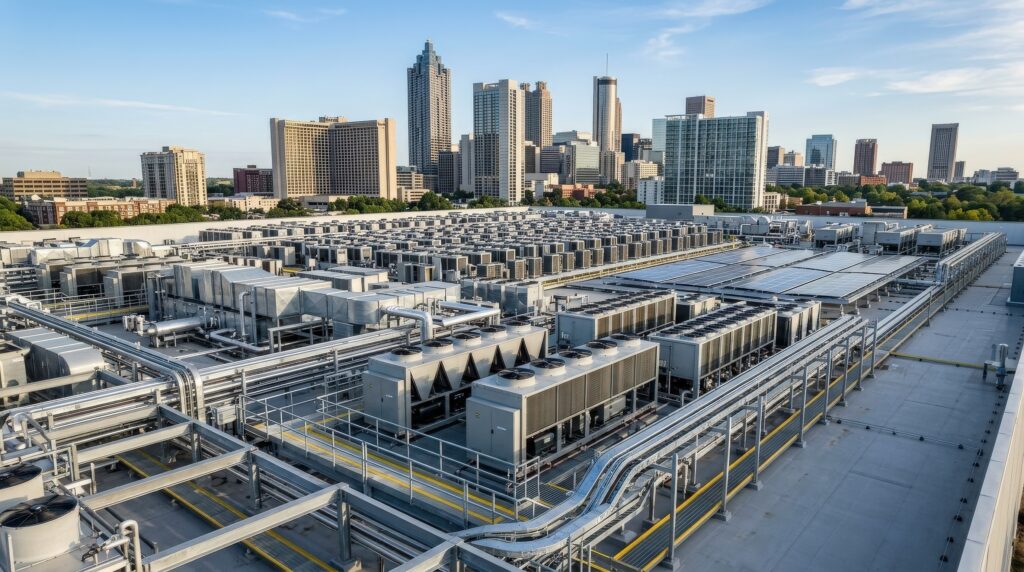
Metro Atlanta, in particular, has become a hotspot for hyperscale and enterprise data centers. The region offers strong electrical capacity, extensive fiber optic connectivity, and convenient access to customers throughout the Southeast. As businesses continue moving operations to the cloud and AI technologies require significantly more computing power, developers are racing to build facilities capable of supporting this rapid digital growth.
But constructing a modern data center involves far more than erecting a building.
Before foundations are poured or equipment is installed, contractors must build an intricate underground network that supports every aspect of the facility’s operation. Electrical duct banks, backup power systems, fiber optic conduits, water service, cooling infrastructure, sanitary sewer connections, and stormwater systems all need to be installed with incredible accuracy.
Site preparation often includes exposing utilities and clearing work areas before major construction begins. Before excavation starts, contractors must understand what already exists beneath the surface. Requesting underground utility locates through Georgia 811 helps crews identify existing infrastructure before digging begins, but physical verification is still critical when working around sensitive systems.
Many of these utilities are located only a few feet apart, creating crowded underground corridors where even a small excavation mistake can have major consequences. Damaging a fiber optic line can delay communications infrastructure, while striking an electrical conduit may halt construction altogether until repairs are completed.
As Georgia continues experiencing unprecedented growth in data center construction, contractors are increasingly turning to hydro vac excavation services to safely work around these complex underground utility systems.
Traditional excavation equipment has long been the standard method for moving large amounts of soil, but data center construction presents a very different challenge than clearing an open construction site.
Modern excavators are powerful and efficient, yet they cannot distinguish between soil and a buried utility. Operators often rely on utility maps and utility locating services to identify buried infrastructure before excavation begins. However, even the most accurate records should be verified in the field.
Underground utilities may have shifted over time, previous installations may not have been accurately recorded, or renovations completed years earlier may never have been updated on site plans. These uncertainties become especially concerning when construction involves dense underground systems found at modern data centers.
For most commercial projects, these challenges create inconvenience.
For Georgia data centers, they create significant risk.
Imagine excavating for a new electrical duct bank only to discover that a fiber optic conduit is located several inches away from where it was originally documented. A traditional excavator has little room for error, and one accidental strike can quickly trigger expensive repairs, emergency inspections, construction delays, and schedule changes affecting multiple contractors.
Because even minor utility strikes can create major setbacks, many contractors now prioritize excavation methods specifically designed to verify underground conditions before major digging begins.
The financial impact can be substantial, but the operational consequences may be even greater. Fiber optic cables support critical communications, while underground electrical systems provide the reliable power data centers depend on around the clock. Damaging either system can delay construction, increase labor costs, and postpone project completion.
As underground infrastructure becomes denser and more complex, many contractors are realizing that traditional digging methods simply are not designed for this level of precision.
Understanding the differences between conventional excavation and hydro excavation can help project managers choose the safest approach for each job. That is one of the biggest reasons hydro vac excavation has become the preferred solution for projects involving critical infrastructure in Georgia.
At its core, hydro vac excavation is a non-destructive digging method that combines pressurized water and vacuum technology to safely remove soil.
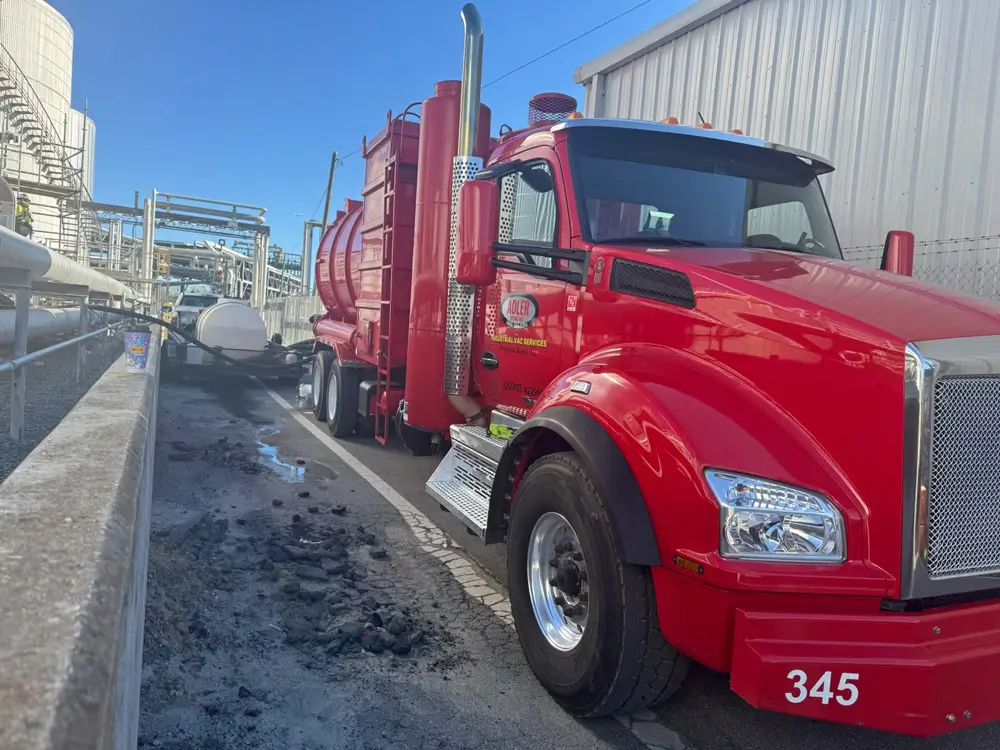
Instead of breaking through the ground with mechanical equipment, operators direct a stream of high-pressure water into the soil. The water loosens and breaks apart the earth without damaging nearby utilities. At the same time, a powerful vacuum system removes the resulting slurry and transfers it into a debris tank mounted on the hydro vac truck.
The result is a clean, controlled excavation process that allows contractors to expose underground infrastructure with remarkable accuracy.
Because operators remove only the soil necessary to complete the task, hydro vac excavation creates a much smaller excavation footprint than traditional digging. This precision makes it ideal for congested work sites where multiple utilities occupy the same underground corridor.
Two common applications associated with hydro excavation are daylighting and potholing.
Daylighting refers to safely exposing underground utilities so crews can visually confirm their location before larger excavation begins. Rather than relying solely on utility maps or electronic locating equipment, contractors can physically verify where utilities are located before moving forward.
Potholing is a similar process that involves creating small exploratory holes to determine the exact depth and alignment of buried utilities. These controlled excavations provide valuable information before installing new electrical systems, fiber optic lines, or utility crossings.
For projects involving Georgia data centers, these techniques dramatically reduce uncertainty and help contractors make informed decisions before major excavation work begins.
As data center projects become larger and underground utility systems become more complex, contractors need excavation methods that prioritize safety and accuracy just as much as productivity.
Hydro vac excavation offers several advantages that make it especially valuable during data center construction.
Fiber optic infrastructure is the backbone of every modern data center. These cables transmit enormous amounts of digital information between facilities, cloud platforms, businesses, and end users around the world.
As demand for cloud computing and AI continues to increase, expanding fiber networks has become just as important as expanding electrical capacity for many new facilities.
Unlike many other underground utilities, fiber optic cables can be surprisingly vulnerable during excavation. A single damaged conduit or severed cable may require specialized repairs, delay construction schedules, and create unexpected costs that extend well beyond the excavation itself.
Hydro vac excavation dramatically reduces this risk by allowing contractors to carefully expose fiber optic lines without making direct contact using heavy mechanical equipment. Crews can visually identify communication lines before continuing excavation, protecting both existing infrastructure and newly installed systems.
For developers investing millions of dollars into new Georgia data centers, protecting these communication networks is a critical part of keeping projects on schedule.
Reliable power is one of the defining characteristics of every successful data center.
As modern facilities continue to grow in size and computing capacity, dependable electrical infrastructure has become one of the most important factors in long-term data center performance and reliability. Protecting these underground systems during construction requires excavation methods designed for precision.
Beneath the surface, these facilities contain extensive underground electrical infrastructure, including conduits, duct banks, transformers, switchgear connections, grounding systems, and backup power networks. Every one of these components must be protected throughout construction.
Repairing damaged electrical infrastructure is not simply expensive—it can also introduce serious safety concerns and create lengthy construction delays while utilities are inspected, repaired, and tested.
Hydro vac excavation gives crews the precision needed to safely expose electrical systems before excavation continues. Rather than relying on estimates or assuming utility markings are perfectly accurate, contractors can physically verify underground infrastructure while minimizing the chance of accidental damage.
Modern hydro excavation techniques continue to improve excavation accuracy, especially on projects involving sensitive underground infrastructure.
This added level of confidence is one of the biggest reasons hydro vac excavation has become standard practice for many large-scale commercial construction projects throughout Georgia.
Excavation is one of the highest-risk activities on any construction site, especially when crews are working near energized electrical systems, gas lines, or communication infrastructure.
Every utility strike creates potential hazards for workers while also increasing project costs and downtime.
Following established excavation safety practices—including proper planning, utility locating, and trench safety—helps contractors reduce these risks and create safer work environments throughout every phase of construction.
Hydro vac excavation helps reduce these risks by replacing aggressive mechanical digging with a controlled, non-destructive excavation process. Because operators remove soil gradually using water and vacuum technology, crews can expose buried utilities without the sudden impacts associated with traditional excavation equipment.
The cleaner excavation process also improves visibility inside the excavation itself, making it easier for workers to inspect utilities, verify locations, and complete installations safely.
For contractors working on complex Georgia data center construction projects, protecting people is just as important as protecting infrastructure—and hydro vac excavation helps accomplish both.
Few things disrupt a construction schedule faster than an unexpected utility strike.
When underground infrastructure is damaged, the consequences extend far beyond the repair itself. Construction may stop while utilities are inspected, replacement materials are ordered, permits are updated, and multiple contractors adjust their schedules to accommodate delays.
On a large data center project, even a relatively minor utility strike can create a domino effect that impacts electricians, utility installers, civil contractors, inspectors, and project managers alike.
Hydro vac excavation helps prevent these disruptions by allowing crews to accurately locate and expose underground utilities before major excavation begins. By reducing uncertainty early in the project, contractors can move forward with greater confidence and significantly lower the risk of costly interruptions.
As a result, projects stay on schedule, budgets remain more predictable, and developers can maintain momentum throughout every phase of construction.
One of the biggest advantages of hydro vac excavation is that it removes only the amount of soil necessary to complete the job. Traditional excavation equipment often requires a much larger digging area to access underground utilities, disturbing more of the surrounding site than needed.
On large commercial projects like data centers, unnecessary excavation can create additional restoration work, interfere with nearby construction activities, and increase overall project costs.
Hydro vac excavation takes a much more targeted approach. Because the combination of pressurized water and vacuum technology allows crews to excavate with exceptional accuracy, contractors can expose specific utilities without unnecessarily disturbing nearby infrastructure.
This precision is especially important on busy job sites where multiple trades are working simultaneously and available space is limited.
A smaller excavation footprint also makes it easier to maintain organized work areas, protect existing pavement or landscaping, and reduce the amount of backfill and restoration required after the work is complete.
For data center developers looking to keep projects moving efficiently, minimizing ground disturbance helps improve productivity while preserving the integrity of the surrounding site.
Hydro vac excavation is used throughout nearly every stage of Georgia data center construction. From the earliest site investigations to final utility connections, contractors rely on non-destructive excavation whenever accuracy and infrastructure protection are critical.
Before major excavation begins, contractors need to know exactly where underground utilities are located. While utility locating technology provides valuable information, physically exposing those utilities provides an added level of confidence.
This process, known as utility daylighting, allows crews to safely uncover buried infrastructure so they can visually verify its exact location before construction continues.
For data center construction, where fiber optic lines, electrical conduits, water mains, and communication systems are often installed close together, daylighting has become an essential part of project planning.
By confirming utility locations before large-scale excavation begins, contractors can reduce uncertainty, avoid unexpected conflicts, and create safer, more efficient construction workflows.
Potholing is another common application of hydro vac excavation that provides valuable information before larger excavation work begins.
Rather than opening large trenches, contractors create small, controlled excavation holes to confirm the exact depth and alignment of underground utilities.
These exploratory excavations help engineers and contractors verify existing conditions before installing new electrical systems, crossing utility corridors, or connecting new infrastructure.
By confirming utility locations early, potholing helps eliminate guesswork and reduces the likelihood of unexpected conflicts during construction.
Electrical duct banks are one of the most important underground components of any data center. These networks of conduits safely distribute power throughout the facility while protecting electrical cables from damage.
Installing new duct banks often requires contractors to work around existing underground electrical infrastructure, making precision essential.
Hydro vac excavation allows crews to safely expose existing conduits before installing additional electrical systems, reducing the risk of accidental damage and improving installation accuracy.
For large-scale data centers where reliable power distribution is critical, this added protection helps ensure electrical infrastructure is installed correctly from the beginning.
Modern data centers depend on reliable, high-speed communication networks. As facilities expand or new campuses are developed, contractors frequently install additional fiber optic infrastructure to meet growing bandwidth demands.
Hydro vac excavation provides a safer way to expose existing communication lines before installing new conduits, helping crews avoid damaging the very systems that keep businesses connected.
Whether contractors are expanding an existing facility or building a new one from the ground up, hydro excavation helps protect valuable communication infrastructure throughout the project.
Managing stormwater is another critical component of data center construction. Proper drainage protects buildings, electrical equipment, and surrounding infrastructure from water damage while helping facilities comply with local regulations.
Proper stormwater management also helps commercial construction projects meet environmental requirements throughout the construction process.
Installing or repairing underground drainage systems often requires crews to work near existing utilities. Hydro vac excavation provides the precision needed to safely excavate around stormwater infrastructure while minimizing disruption to surrounding systems.
Few excavation challenges are more complicated than utility crossings.
These locations often contain multiple underground systems—including electrical conduits, fiber optic cables, water lines, sewer infrastructure, and communication networks—all occupying the same limited space.
Hydro vac excavation gives operators the ability to carefully expose each utility individually before excavation continues, reducing the likelihood of accidental damage while allowing contractors to complete complex installations with greater confidence.
Every construction project comes with unique site conditions, and Georgia is no exception.
Across the state, contractors encounter everything from dense red clay and compacted soils to sandy coastal conditions and rocky terrain in certain regions. Seasonal weather creates another layer of complexity. Dry conditions can leave clay soils extremely hard and difficult to excavate, while heavy rainfall can quickly transform those same soils into sticky, challenging work environments.
These changing conditions can make traditional excavation less predictable, particularly when contractors are working around buried utilities.
Hydro vac excavation offers a flexible solution because pressurized water can be adjusted to loosen a variety of soil conditions while maintaining precise control over the excavation area.
Instead of relying on mechanical force alone, crews can carefully expose underground utilities while adapting to changing soil composition and weather conditions.
Experienced hydro excavation crews understand how to adjust techniques based on site conditions, helping maintain efficiency while protecting valuable underground infrastructure throughout the year.
Although hydro vac excavation plays a major role in Georgia data center construction, its benefits extend well beyond a single industry.
Electrical contractors frequently use hydro excavation when installing underground power systems or working around energized infrastructure. Utility companies rely on it for maintenance, repairs, and system upgrades where protecting existing utilities is essential.
Civil contractors use hydro excavation during roadway improvements, utility relocations, and commercial development projects. Telecommunications companies depend on it when expanding fiber optic networks, while municipalities often utilize hydro vac services during water, sewer, and stormwater improvements.
Industrial facilities, manufacturing plants, hospitals, airports, and distribution centers also benefit from non-destructive excavation whenever buried infrastructure must be safely exposed.
As more industries recognize the value of protecting underground utilities, hydro vac excavation services in Georgia continue to become an increasingly important part of commercial construction and infrastructure development.
Not every excavation contractor has the experience or equipment needed to work around the complex underground infrastructure found at modern data centers.
When selecting a hydro excavation contractor in Georgia, experience should be one of the first considerations. Contractors who regularly work around critical infrastructure understand the level of precision required to safely expose utilities while minimizing project risks.
Modern equipment is equally important. Advanced hydro vac trucks provide operators with greater control, stronger vacuum performance, and improved excavation efficiency across a variety of soil conditions.
Safety should also be a top priority. Successful projects depend not only on experienced operators but also on contractors who follow established hydro excavation safety procedures throughout every phase of work.
Reputable contractors follow OSHA regulations, perform proper utility locating before excavation begins, and implement established safety procedures that protect both workers and underground infrastructure.
Communication is another factor that is often overlooked. Large commercial construction projects involve multiple contractors working simultaneously, making coordination essential.
An experienced hydro excavation contractor understands how to integrate seamlessly into existing construction schedules while maintaining clear communication with project managers, engineers, and utility crews.
Choosing the right contractor is not simply about completing excavation work—it is about reducing risk, protecting valuable infrastructure, and helping the entire project move forward successfully.
At first glance, some contractors focus primarily on the upfront cost of excavation. However, the true value of hydro vac excavation becomes much clearer when considering the long-term costs associated with utility damage.
Accidentally striking a buried utility can trigger emergency repairs, replacement materials, equipment downtime, labor costs, project delays, permit revisions, and additional inspections. These expenses often exceed the cost difference between traditional excavation and non-destructive excavation.
Hydro vac excavation helps eliminate many of these risks by allowing crews to expose underground utilities safely before major digging begins.
More accurate excavation also reduces unnecessary restoration work, minimizes rework, and helps projects stay on schedule.
Combining hydro excavation with proper utility locating is one of the most effective ways contractors can reduce underground utility damage before construction begins.
For large commercial developments like Georgia data centers, preventing even one significant utility strike can save thousands—or even hundreds of thousands—of dollars while keeping construction moving forward.
Rather than viewing hydro excavation as an additional expense, many developers now see it as an investment in risk reduction, project efficiency, and long-term cost savings.
As data center construction continues expanding across Georgia, contractors face growing pressure to build faster while maintaining the highest standards of safety and accuracy.
Hydro vac excavation helps meet those expectations by combining precision, efficiency, and utility protection into a single excavation solution.
Instead of relying on heavy mechanical digging that can place underground infrastructure at risk, contractors can safely expose utilities, verify existing conditions, and complete excavation work with greater confidence.
Whether installing fiber optic networks, exposing electrical duct banks, performing utility daylighting, or supporting large-scale infrastructure projects, hydro vac excavation has become an indispensable tool for today’s commercial construction industry.
As underground utility systems become increasingly complex, it is easy to see why more contractors continue choosing hydro vac excavation in Georgia for projects involving sensitive infrastructure.
Georgia’s continued investment in data center construction shows no signs of slowing down. As cloud computing, artificial intelligence, and digital services continue driving demand for new facilities, contractors will need excavation methods that are every bit as advanced as the technology these buildings support.
Hydro vac excavation has become the preferred solution because it allows crews to safely work around fiber optic cables, electrical infrastructure, water systems, and other critical underground utilities without the risks associated with traditional excavation.
By reducing utility strikes, improving worker safety, minimizing project delays, and limiting unnecessary ground disturbance, hydro excavation helps developers protect both their schedules and their investments.
Beyond data center construction, organizations across multiple industries continue choosing hydro vac services because of their safety, efficiency, and versatility.
Whether your project involves a new hyperscale campus, utility upgrades for an existing facility, or other critical infrastructure improvements, partnering with an experienced hydro vac excavation contractor in Georgia can make all the difference.
With Adler Hydro Vac, excavation work can be completed safely, efficiently, and with confidence that underground infrastructure is protected every step of the way.
Hydro vac excavation is a non-destructive digging method that uses pressurized water to loosen soil and a powerful vacuum system to remove it. This process allows contractors to safely expose underground utilities without damaging them, making it ideal for projects involving critical infrastructure.
Data centers rely on extensive underground networks of fiber optic cables, electrical systems, cooling infrastructure, and water utilities. Hydro vac excavation allows contractors to safely work around these systems, reducing utility strikes, preventing costly delays, and helping projects stay on schedule.
Yes. Because hydro vac excavation removes soil without aggressive mechanical digging, it significantly reduces the risk of striking underground utilities. This creates a safer work environment for crews while protecting valuable infrastructure and minimizing costly repairs.
Absolutely. Hydro vac excavation is one of the safest methods for exposing buried fiber optic lines because it uses pressurized water instead of metal buckets or blades. Contractors commonly use it to daylight communication lines before installing new utilities or beginning major excavation.
Hydro vac excavation can safely expose electrical conduits, fiber optic cables, communication lines, gas mains, water lines, sewer systems, stormwater infrastructure, and many other types of buried utilities without causing unnecessary damage.
Yes. Georgia’s soil ranges from dense red clay to sandy coastal soils, and hydro vac excavation performs well across a variety of conditions. The combination of pressurized water and vacuum technology allows contractors to maintain precise excavation while adapting to changing soil types and weather conditions.
Hydro vac excavation is the preferred choice whenever excavation takes place near existing underground utilities, electrical infrastructure, fiber optic networks, pipelines, or other sensitive systems.
It is especially valuable for Georgia data center construction, where protecting critical infrastructure is essential to keeping projects safe, efficient, and on schedule.