When most people think about replacing or repairing a commercial roof, they picture new roofing materials, installation crews, and the finished product. What often goes unnoticed is one of the most important steps in the entire process: removing the old roofing debris.
Before a new roofing system can be installed, contractors need a clean, stable surface to work from. Gravel ballast, old insulation, roofing materials, dirt, and construction debris all have to be removed safely and efficiently. If they’re not, they can slow the project, create unnecessary safety hazards, and even affect the quality of the finished roof.
For commercial roofing contractors across Georgia, traditional cleanup methods aren’t always the most practical solution. Manually shoveling and hauling heavy roofing debris takes time, requires significant labor, and increases the physical demands placed on workers.
That’s why more contractors are turning to roof vacuum services. Using specialized vacuum trucks, these services quickly remove large amounts of roofing debris while improving job site safety, reducing cleanup time, and helping projects stay on schedule. Depending on the roofing system, debris type, and project requirements, contractors may use specialized roof vacuum equipment designed to safely handle different materials and applications.
Whether you’re replacing the roof on a warehouse in Atlanta, renovating a manufacturing facility in Savannah, or managing a commercial roofing project anywhere in Georgia, roof vacuuming offers a cleaner, safer, and more efficient way to prepare for construction.
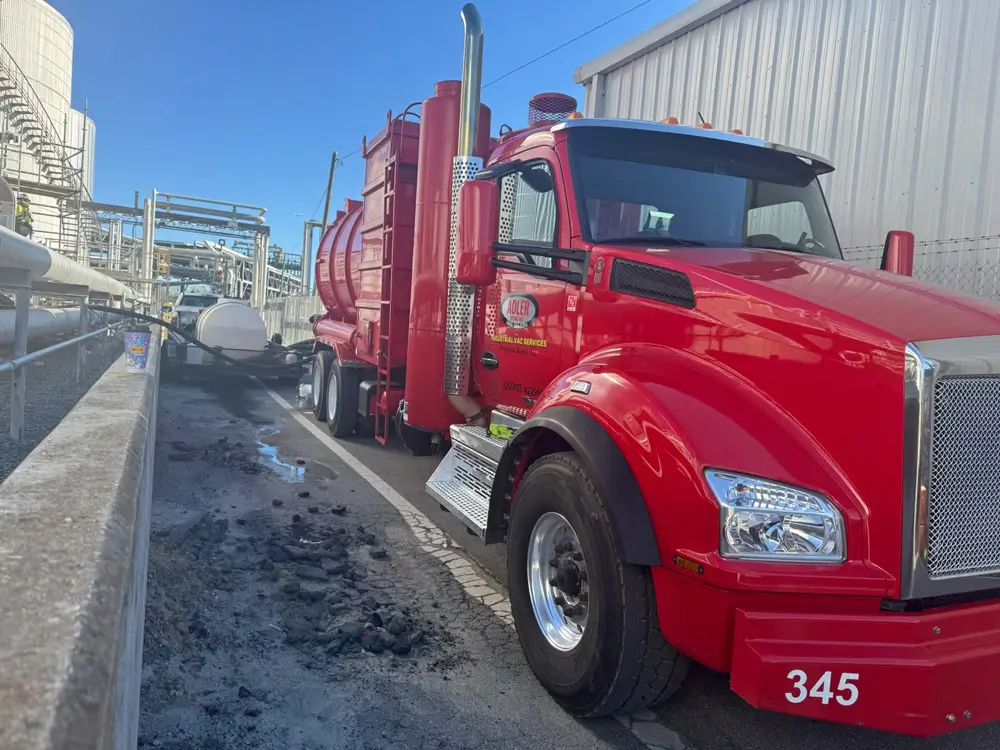
Roof vacuum services use powerful industrial vacuum trucks designed to remove roofing materials directly from the roof through large-diameter vacuum hoses. Instead of crews manually filling buckets, carrying debris across the roof, and lowering it to the ground, the vacuum system transfers materials directly into an enclosed debris tank for transportation and disposal.
This process dramatically reduces manual labor while keeping roofing projects organized and efficient.
Roof vacuum trucks are commonly used during commercial roof replacements, renovations, demolition projects, and preventive maintenance programs. By keeping roofs free of accumulated debris, these services help contractors create safer work areas while supporting better long-term roof performance.
They can safely remove a wide variety of roofing materials, including:
Because debris is collected immediately, contractors spend less time managing cleanup and more time focusing on the roofing project itself.
Commercial roof vacuum services in Georgia help contractors safely remove ballast, insulation, gravel, and construction debris from large flat roofs. By reducing manual labor and improving cleanup efficiency, roof vacuuming has become an important solution for commercial roofing projects throughout the state.
Removing roofing debris isn’t simply about keeping a roof clean—it’s an essential part of preparing the surface for a successful roofing installation. Regular debris removal is also one of the easiest ways to prevent premature roof deterioration and avoid costly repairs later.
Old roofing materials can conceal damaged decking, trap moisture, and interfere with the installation of new roofing systems. Loose debris can also create trip hazards, making it more difficult for roofing crews to move safely across the roof.
A properly cleaned roof allows contractors to inspect the roof deck, identify repairs that need to be made, and ensure the new roofing system is installed on a stable surface. This is why organizations like the National Roofing Contractors Association (NRCA) emphasize routine inspections and proper maintenance practices to maximize the lifespan and performance of commercial roofing systems.
Skipping or rushing debris removal can make it more difficult to identify underlying issues before installation begins.
For property owners, investing in proper debris removal helps protect the long-term performance of the new roof while reducing the likelihood of installation issues.
For decades, roofing debris was removed almost entirely by hand. Workers shoveled gravel, insulation, and old roofing materials into buckets or dumpsters before carrying or lowering them from the roof.
Although this approach is still used on some projects, it comes with several disadvantages—especially on large commercial buildings.
Roofing materials can be surprisingly heavy. Gravel ballast, saturated insulation, and old roofing materials quickly add up, requiring workers to repeatedly lift, carry, and dispose of large amounts of debris throughout the day.
Not only is this physically demanding, but it can also contribute to worker fatigue, especially during Georgia’s long, hot summers.
Any roofing project comes with inherent safety concerns, and manually transporting heavy debris across a rooftop adds another layer of risk.
Workers carrying heavy loads are more likely to lose their footing, particularly near roof edges or around rooftop equipment. Loose debris can also create slip and trip hazards if it isn’t removed quickly.
Roofing projects already involve significant safety risks, and manually transporting heavy debris across a rooftop can increase those hazards. OSHA identifies falls as one of the leading causes of fatalities in construction, making proper housekeeping, safe material handling, and fall protection essential components of every commercial roofing project.
Manual debris removal is also time-consuming. Before roofing crews can begin installing a new system, they often spend hours—or even days—removing old materials.
For large commercial buildings with expansive flat roofs, this can delay the entire construction schedule. Every extra hour spent cleaning the roof is time that can’t be spent installing the new roofing system.
Traditional debris removal often creates piles of roofing material that must be moved multiple times before disposal. Dust, gravel, insulation, and loose debris can spread across the roof and surrounding property, increasing cleanup requirements and creating additional work for crews.
As commercial construction continues to grow throughout Georgia, contractors are looking for ways to improve efficiency without sacrificing safety. Roof vacuum services help accomplish both.
Instead of relying on manual labor to transport debris across the roof, vacuum trucks remove materials directly into an enclosed tank, allowing crews to work more efficiently from the beginning of the project.
Contractors throughout Georgia rely on professional roof vacuum providers like Adler Hydro Vac to support commercial roof replacement, maintenance, and debris removal projects.
One of the biggest advantages of roof vacuum services is reducing the amount of manual lifting required during cleanup.
Because workers spend less time carrying heavy materials across the roof, there is less physical strain and fewer opportunities for slips, trips, and falls. Keeping rooftop work areas clean and organized also supports OSHA’s recommendations for improving safety during commercial roofing and construction work. Cleaner rooftops also make it easier for crews to move safely while preparing the roof for installation.
A more organized work area not only protects workers but also helps contractors maintain a more efficient workflow throughout the project. Maintaining clean roof surfaces throughout the life of the building—not just during replacement projects—can also reduce long-term maintenance issues.
Time is one of the most valuable resources on any construction project.
Roof vacuum trucks can remove large amounts of gravel ballast, insulation, and roofing debris much faster than manual methods. Once debris has been cleared, roofing crews can immediately begin inspecting the roof deck, making repairs, and preparing for installation.
By shortening the cleanup phase, contractors can reduce downtime and keep projects moving according to schedule.
Proper roof preparation also helps roofing contractors move more quickly into inspection, repair, and installation without unnecessary delays.
Unlike manual cleanup methods that often leave piles of debris scattered around the roof, vacuum trucks collect material directly into an enclosed tank.
This helps reduce airborne dust, minimizes loose debris around the work area, and keeps both the roof and the surrounding property cleaner throughout the project.
For occupied commercial buildings such as hospitals, schools, retail centers, and office complexes, maintaining a clean work environment is especially important because it reduces disruptions for building occupants while simplifying final cleanup.
Labor is one of the largest expenses on any commercial roofing project, and time spent hauling debris is time that isn’t spent installing a new roof. Roof vacuum services help contractors use their crews more efficiently by eliminating much of the manual cleanup process.
Instead of assigning multiple workers to shovel gravel, carry heavy buckets, and transport debris to dumpsters, a roof vacuum truck removes large volumes of material quickly and efficiently. Roofing crews can focus on inspections, repairs, and installing the new roofing system rather than spending valuable hours on cleanup.
Reducing manual labor doesn’t just improve productivity—it can also help lower overall project costs by shortening timelines, reducing overtime, and minimizing the physical demands placed on workers.
Roof vacuum services are most commonly used on commercial and industrial buildings with large flat or low-slope roofs, where traditional debris removal would require significant time and labor.
Some of the most common applications include:
Large office buildings often require roof replacement or maintenance without disrupting day-to-day business operations. Roof vacuum trucks help remove debris quickly while keeping work areas cleaner and more organized.
Georgia continues to experience rapid growth in warehouse and logistics development. Many of these facilities have expansive flat roofs that contain large amounts of ballast, insulation, or roofing materials during replacement projects. Roof vacuuming allows contractors to remove debris efficiently while keeping projects on schedule.
Many warehouse facilities also rely on preventive roof maintenance programs to identify issues early, minimize operational disruptions, and extend the life of their roofing systems. Incorporating regular maintenance alongside efficient debris removal can help protect large commercial roofing investments over time.
Industrial facilities frequently operate on tight production schedules where downtime can be costly. Faster debris removal allows roofing work to progress more efficiently while minimizing disruptions to daily operations.
Educational facilities often complete roofing work during summer breaks or other limited maintenance windows. Roof vacuum services help contractors maximize these short construction schedules by reducing cleanup time.
Hospitals require construction methods that minimize dust, debris, and disruptions whenever possible.
Because roof vacuum trucks collect debris directly into enclosed tanks, they help create cleaner work environments that are better suited for occupied healthcare campuses and other facilities where minimizing dust and disruption is a priority.
Government facilities often have strict project timelines and safety requirements. Roof vacuum services support these projects by improving efficiency while maintaining organized, safer job sites.
Georgia’s commercial construction industry has experienced steady growth in recent years, with continued investment in distribution centers, manufacturing facilities, schools, healthcare campuses, and mixed-use developments. As more commercial roofing projects take place across the state, contractors need efficient methods for preparing roofs without delaying construction schedules.
Georgia’s climate also creates unique challenges for roofing crews. Long summers with high temperatures and humidity make physically demanding work even more difficult. The CDC’s National Institute for Occupational Safety and Health (NIOSH) recommends reducing worker exposure to excessive heat and limiting strenuous physical activity whenever possible. This makes roof vacuum services especially valuable during Georgia’s long construction season, when reducing physically demanding tasks can improve worker safety and efficiency.
Repeatedly carrying heavy roofing debris across a rooftop can increase worker fatigue, especially during peak summer months. By reducing manual lifting, roof vacuum services help crews work more efficiently while improving overall job site safety.
Georgia is also no stranger to severe thunderstorms, high winds, and tropical weather systems. According to the National Weather Service (NOAA), severe storms can leave commercial roofs covered with debris that should be removed before inspections or repairs begin. Roof vacuum services provide an efficient solution for post-storm cleanup by safely removing branches, roofing materials, and other debris so contractors can assess damage and begin repairs sooner.
According to the National Weather Service (NOAA), severe storms can leave commercial roofs covered with debris that should be removed before inspections or repairs begin. Roof vacuum services provide an efficient way to clear roofing materials, branches, and other debris so contractors can safely assess storm damage and begin repairs.
While roof vacuum services are commonly associated with roof replacement projects, they’re also an effective tool for ongoing commercial roof maintenance.
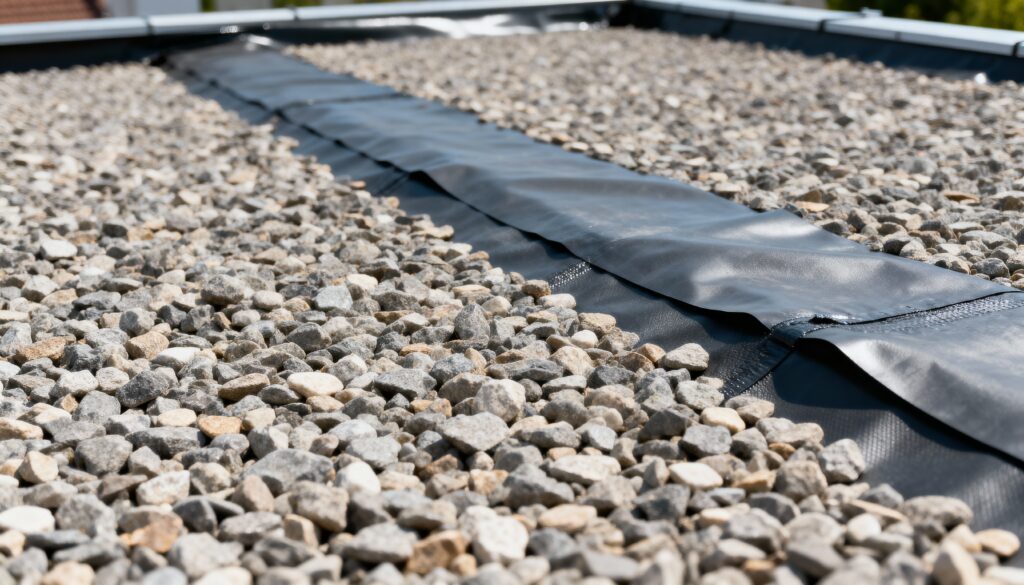
Over time, dirt, leaves, construction debris, and loose roofing materials can accumulate on flat roofs. If left in place, this debris may contribute to drainage problems, trap moisture, or make routine inspections more difficult.
Regular roof cleaning helps property owners identify minor roofing issues before they become expensive repairs while extending the life of the roofing system.
For building owners managing warehouses, apartment complexes, retail centers, or industrial facilities, incorporating roof vacuuming into a preventive roof maintenance plan can help protect their investment and reduce long-term maintenance costs.
Not every contractor offering roof vacuum services has the same level of experience, equipment, or commitment to safety. Choosing the right provider can make a significant difference in the efficiency and success of your roofing project.
When evaluating roof vacuum contractors in Georgia, consider the following:
A contractor with experience working on large commercial roofs will understand how to safely remove roofing debris while minimizing disruptions to the project and surrounding property. Companies that invest in employee training and workplace safety programs are often better equipped to deliver consistent, high-quality service.
The roofing industry continues to evolve as contractors look for safer, faster, and more efficient ways to complete projects.
Roof vacuum services have become an increasingly popular alternative to manual debris removal because they address many of the challenges that have traditionally slowed roofing projects. Faster cleanup, improved worker safety, cleaner job sites, and reduced labor requirements all contribute to more efficient project execution.
Whether preparing a roof for replacement, removing gravel ballast from a built-up roofing system, or cleaning debris after a severe storm, roof vacuuming helps contractors complete work with greater precision and less disruption.
As Georgia’s commercial construction industry continues to grow, specialized roof vacuum services are likely to remain an essential part of commercial roofing projects across the state.
Preparing a commercial roof for replacement or repair starts long before new roofing materials are installed. Removing old ballast, insulation, gravel, dirt, and demolition debris is one of the most important steps in creating a safe, efficient, and successful roofing project.
Roof vacuum services provide a smarter alternative to traditional manual cleanup by combining specialized vacuum equipment with efficient debris removal techniques that improve both safety and productivity. For commercial buildings, industrial facilities, schools, hospitals, warehouses, and government properties throughout Georgia, roof vacuuming has become one of the safest and most efficient methods for roof debris removal.
Whether you’re planning a roof replacement, recovering from storm damage, or looking for a more efficient way to manage commercial roof maintenance, partnering with an experienced roof vacuum contractor can help ensure your project starts with a clean, safe foundation.
Adler Hydro Vac provides professional roof vacuum services throughout Georgia, including commercial roof cleaning, ballast removal, and roof surface preparation for projects of every size. Contact our team today to learn how our specialized roof vacuum equipment can support your next commercial roofing project.
Roof vacuum services use specialized vacuum trucks to remove gravel ballast, insulation, dirt, roofing materials, and other debris from commercial and industrial roofs. The debris is collected directly into an enclosed tank, making cleanup faster, safer, and more efficient than traditional manual methods.
Roof vacuum services are commonly used on flat and low-slope commercial roofs, including office buildings, warehouses, manufacturing facilities, hospitals, schools, shopping centers, apartment complexes, and government buildings.
Yes. Roof vacuum trucks can remove large volumes of roofing debris much more quickly than manual cleanup methods, allowing roofing contractors to begin inspections and installation sooner while helping projects stay on schedule.
Absolutely. Roof vacuum trucks are specifically designed to remove gravel ballast, roofing aggregate, dirt, insulation, and other heavy roofing materials commonly found on built-up roofing (BUR) systems and commercial flat roofs.
Yes. After severe storms, roof vacuum services provide a safe and efficient way to remove branches, roofing materials, gravel, and other debris before roof inspections and repairs begin. This makes them an excellent option for commercial post-storm roof cleanup throughout Georgia.
Professional roof vacuum contractors have the specialized equipment, trained operators, and experience needed to safely remove roofing debris while minimizing disruption to the job site. Their expertise helps improve safety, reduce cleanup time, and support a more efficient roof replacement or maintenance project.