What Is Utility Locating? A Complete Guide for Oklahoma Contractors
Utility locating is the process of identifying and marking underground utilities—such as gas lines, water pipes, and communication cables—before excavation begins. In Oklahoma, contractors are required to submit a locate request through
OKIE811, the state’s official one-call system. This free service notifies utility owners so they can mark their lines before digging begins.
Failing to request a utility locate can lead to serious safety hazards, service disruptions, legal penalties, and costly repairs. Following proper locating procedures is critical for safe and compliant excavation work.
- State Requirement: Submit a locate request at least 2–3 business days before digging.
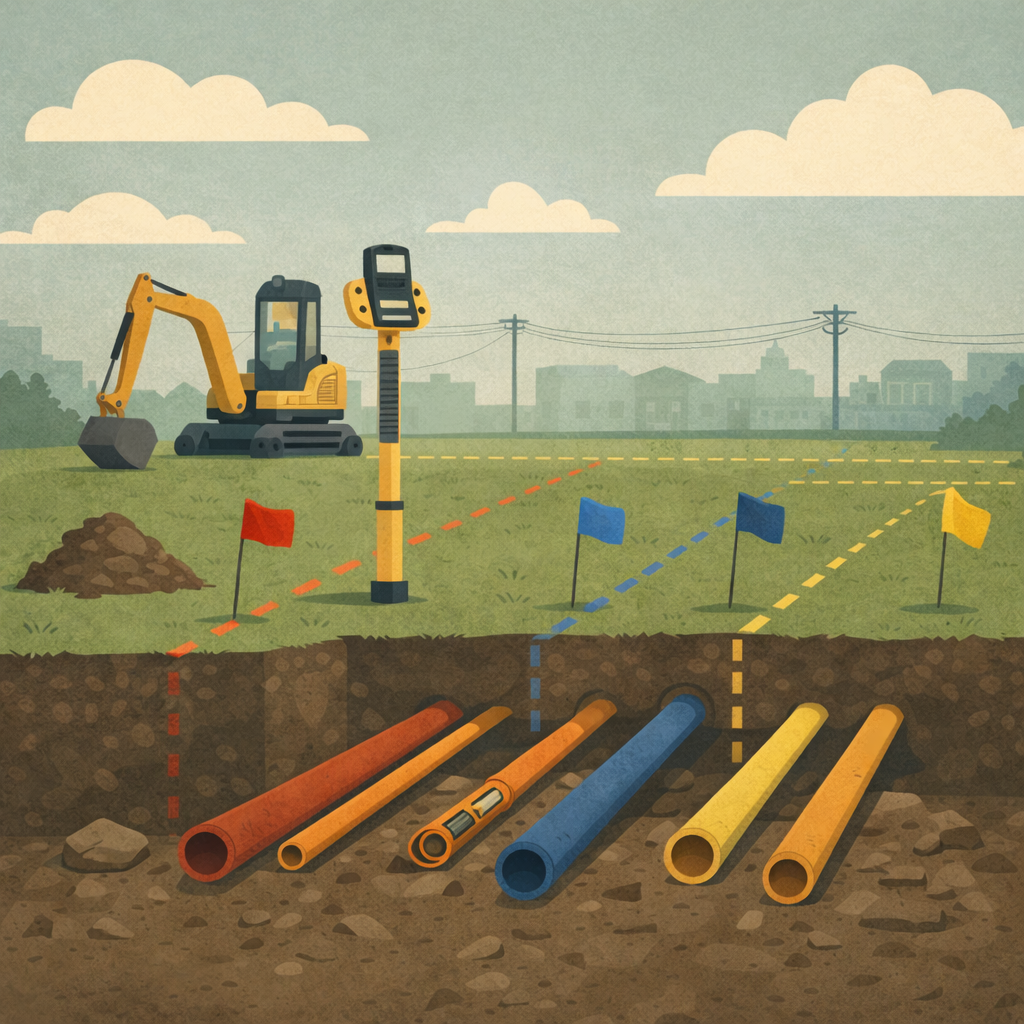
- Utility Markings: Underground utilities are marked using standardized color codes.
- Safe Digging Zone: Use caution and non-destructive methods near marked utilities.
- Damage Protocol: Stop work immediately and notify 811 if a utility is damaged.
Oklahoma Utility Locating Regulations
Oklahoma law requires contractors and excavators to notify OKIE811 before any digging activity. The system ensures underground facility operators are alerted and have time to mark their infrastructure.
How OKIE811 Works
When you submit a request through OKIE811 or dial 811, the system notifies utility companies in your work area. Each utility owner then marks the location of their underground lines using standardized color codes.
Before excavation begins, contractors must confirm that all utilities have either marked their lines or responded to the locate request.
Locate Request Timelines and Contractor Responsibilities
Locate requests must be submitted at least two full business days in advance, not including weekends or holidays. Contractors are responsible for:
- Submitting accurate locate requests
- Providing clear job site details
- Maintaining visible markings throughout the project
- Using safe digging practices near marked utilities
Within the tolerance zone (typically 24 inches on either side of markings), contractors should use hand tools or non-destructive excavation methods.
If a utility is damaged, stop work immediately and notify both the utility owner and 811.
Utility Marking Color Codes
Utility markings follow a standardized color system recognized nationwide:
- Red: Electric power lines
- Yellow: Gas, oil, steam, petroleum
- Orange: Communication and fiber
- Blue: Potable water
- Green: Sewer and drain lines
- Purple: Reclaimed water
- White: Proposed excavation area
- Pink: Survey markings
Utility Locating Methods and Tools
Several technologies are used to locate underground utilities. Each method has specific strengths depending on the type of utility and soil conditions.
Electromagnetic Locating
Electromagnetic locating is commonly used to detect conductive utilities such as metal pipes and cables. This method uses a transmitter and receiver to trace signals along underground lines.
Ground Penetrating Radar (GPR)
Ground penetrating radar is used to identify non-metallic utilities like plastic pipes or concrete structures. It sends radar waves into the ground and measures reflections to detect subsurface objects.
Hydro Excavation for Safe Utility Exposure
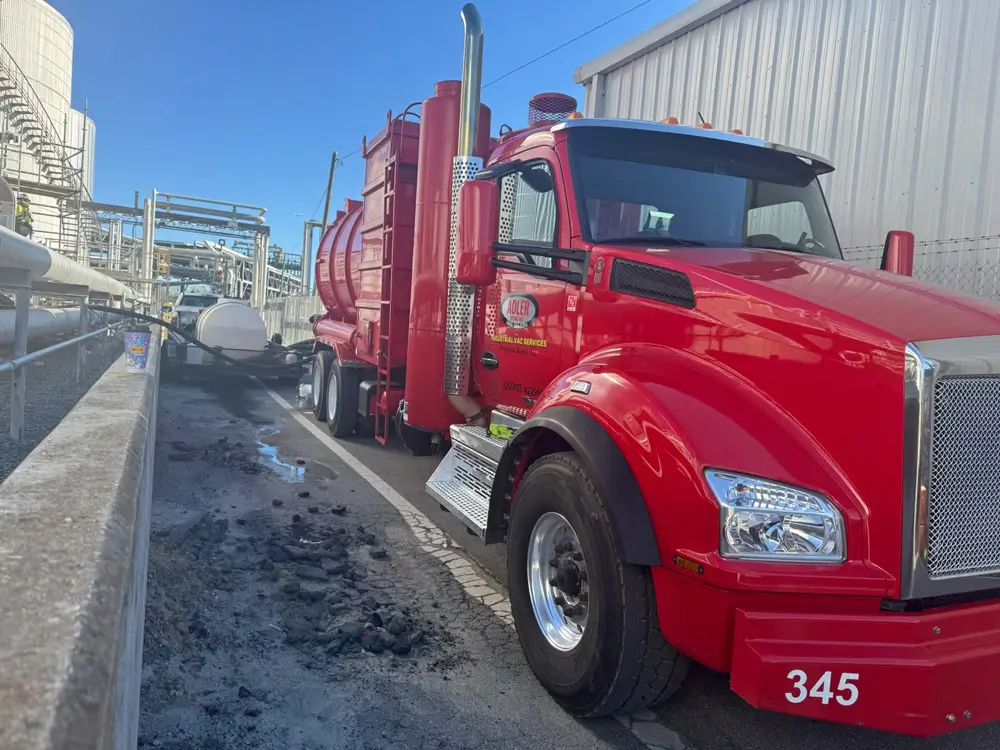
Hydro excavation is one of the safest and most precise methods for exposing underground utilities. This process uses pressurized water to break up soil while a vacuum system removes the material.
Hydro excavation services allow contractors to visually confirm the exact location and depth of utilities without damaging them. This method is especially useful within tolerance zones and in congested underground environments.
Learn more about daylighting and potholing services for safe utility exposure.
Best Practices for Utility Locating in Oklahoma
White Lining Your Excavation Area
Before submitting a locate request, mark your intended excavation area using white paint or flags. This helps locators identify where markings are needed and improves accuracy.
Potholing to Verify Utility Depth
Potholing involves carefully exposing utilities to confirm their exact location and depth. This step is especially important before using mechanical equipment.
Non-destructive methods like hydro vacuum excavation are commonly used for this process.
Work Safely Around Marked Utilities
Always verify markings before excavation begins. If markings appear unclear or incomplete, contact OKIE811 for clarification before proceeding.
Risks of Skipping Utility Locating
Failing to locate utilities before digging can result in serious consequences, including:
- Injury from gas leaks or electrical strikes
- Service outages affecting homes and businesses
- Costly repairs and project delays
- Legal penalties for non-compliance
According to the
Pipeline and Hazardous Materials Safety Administration (PHMSA), excavation damage is one of the leading causes of pipeline incidents in the United States.
Additionally, the
Occupational Safety and Health Administration (OSHA) emphasizes the importance of identifying underground hazards before excavation to protect workers and prevent accidents.
How to Prevent Utility Damage During Excavation
- Always submit an OKIE811 request before digging
- Verify all markings before starting work
- Use non-destructive excavation near utilities
- Maintain clear visibility of utility markings
- Stop work immediately if a utility is damaged
Using professional industrial vacuum and hydro excavation services can significantly reduce the risk of utility strikes while improving job site safety and efficiency.
Conclusion: Safe and Compliant Excavation in Oklahoma
Utility locating is a critical step for any excavation project in Oklahoma. By following state requirements, verifying utility locations, and using safe excavation methods, contractors can protect workers, avoid costly damage, and keep projects on schedule.
Adler Hydro Vac supports contractors with safe, precise excavation solutions, including hydro excavation and utility daylighting. These services help ensure accurate utility exposure while minimizing risk.
To learn more or request service, visit Adler Hydro Vac.
FAQs
Does 811 mark private utility lines?
No. 811 services typically mark public utilities only. Private lines, such as those on private property or beyond the meter, may require additional locating services. Adler Hydro Vac can assist in locating all underground utilities in advance of your excavation project.
What should I do if markings are unclear?
Contact OKIE811 before digging. Never proceed if markings are missing or unclear.
When should hydro excavation be used?
Hydro excavation should be used when working near utilities, in congested underground areas, or when precise excavation is required. It is one of the safest methods for exposing underground infrastructure.