Post-Storm Roof Cleanup: Why Roof Vacuuming Is Critical for Commercial Buildings in the Southeast
After a major storm, commercial roofs in Florida, Texas, and Georgia can hold far more than visible debris. Branches, gravel, sediment, standing water, and storm-driven contaminants can all collect on the roof surface, creating drainage problems and increasing the risk of leaks, structural stress, and costly repairs. Professional roof vacuuming services help commercial and industrial facilities recover faster by removing storm debris safely and restoring roof function before minor issues turn into major damage.
Why Post-Storm Roof Cleanup Matters
Storm damage is not always limited to torn roofing materials or visible punctures. In many cases, the biggest problems come from what is left behind after the weather passes. Debris can clog drains, standing water can overload vulnerable sections of the roof, and wet materials can hold moisture against the membrane long after the storm is over.
For facility managers, property owners, and operations teams, fast post-storm cleanup is essential. Adler Hydro Vac provides roof vac services designed to remove heavy rooftop material quickly and support safer, more efficient recovery for commercial buildings across the Southeast.
1. Storm Debris Can Build Up Fast on Commercial Roofs
High winds and heavy rain can leave commercial roofs covered in branches, leaves, gravel, dirt, roofing fragments, and windblown trash. Even when the roof surface appears intact, accumulated debris can interfere with drainage, trap moisture, and make inspections more difficult.
Flat and low-slope roofs are especially vulnerable because debris tends to collect around rooftop equipment, parapet walls, drains, and corners. In Southeast markets, repeated storms can create layers of buildup that become harder to remove with manual cleanup methods.
2. Standing Water Can Lead to Bigger Roof Problems
One of the most urgent post-storm warning signs is water that remains on the roof after the rain stops. If drains, scuppers, or gutters are partially blocked, water can collect in low areas and stay in place longer than it should.
Standing water increases weight on the roof, raises the chance of leaks, and can accelerate wear on roofing materials. In severe cases, prolonged ponding can contribute to sagging, membrane deterioration, and recurring moisture issues inside the building.
Professional roof vacuuming removes wet debris and helps reopen blocked drainage paths so the roof can shed water properly.
3. Blocked Drains and Gutters Can Cause Hidden Damage
Post-storm debris often settles into roof drains, gutters, and scuppers. Even partial blockages can slow drainage enough to create recurring ponding problems. Once water backs up, it can begin working its way into weak points around seams, penetrations, flashing, and rooftop units.
For commercial buildings, drainage problems can quickly move from the roof to the interior. Ceiling stains, musty odors, damp insulation, and water intrusion near walls are all signs that cleanup should happen as soon as possible.
4. Storm-Driven Contaminants Can Complicate Cleanup
After severe weather, roof surfaces may hold more than leaves and branches. Mud, sludge, sediment, rooftop gravel, and other storm-driven materials can collect across the roof and inside drainage areas. This buildup can make cleanup slower, messier, and more difficult if handled manually.
Adler Hydro Vac uses high-capacity industrial vacuum solutions to remove both wet and dry rooftop material efficiently, reducing the need for time-consuming manual handling and helping crews clear roofs with less disruption.
5. Manual Roof Cleanup Is Often Slow and Incomplete
Traditional post-storm cleanup methods often rely on workers to gather debris by hand, move materials across the roof, and lower waste to the ground in stages. On large commercial roofs, this can take significant time and may leave behind fine sediment, wet debris, and material trapped around drains.
Manual cleanup can also increase foot traffic on already stressed roof surfaces. After a storm, when roofing components may be wet or weakened, minimizing unnecessary traffic is an important part of protecting the roof during recovery.
When Is Storm Season in the South?
Each state across the Southeast experiences a predictable period of increased storm activity, making it critical for commercial property owners to prepare in advance. According to the
National Hurricane Center, the Atlantic hurricane season officially runs from June 1 through November 30, when the majority of tropical storms and hurricanes develop.
While storms can occur outside of these dates, the highest risk period typically falls between August and October, when conditions are most favorable for severe weather.
For commercial buildings in Florida, Texas, and Georgia, this seasonal pattern means one thing: having a plan for post-storm roof cleanup and debris removal is essential to prevent long-term damage.
Florida Storm Season
Florida is one of the most storm-prone states in the U.S., with storms impacting the state almost every year. The peak threat typically occurs from August through October, when hurricanes and tropical systems are most active along the Gulf and Atlantic coasts.
Due to frequent heavy rain, high winds, and storm surge conditions, commercial roofs in Florida are especially vulnerable to debris buildup and drainage issues after major weather events. It’s important to prepare ahead of time for these storms to hit Florida.
Texas Storm Season
Texas experiences a combination of Gulf Coast hurricanes, severe thunderstorms, and high-wind events during storm season. Like Florida, the highest risk period aligns with the Atlantic hurricane season from June through November.
Coastal regions such as Houston and the Gulf Coast are particularly exposed to storm surge and heavy rainfall, while inland areas often see intense wind and debris from severe storms.
Georgia Storm Season
In Georgia, storm season follows a similar timeline, with increased tropical activity beginning in early summer and continuing through late fall. The
Georgia Emergency Management Agency confirms that hurricane season runs from June 1 through November 30, with impacts sometimes reaching far inland.
Georgia facilities often experience heavy rainfall, fallen tree debris, and extended moisture exposure, which can create drainage problems on commercial roofs even when storms weaken inland.
Why Seasonal Preparation Matters
Because each of these states experiences peak storm activity during the same general timeframe, it is important to prepare before storms arrive and have a plan in place for rapid cleanup once they pass.
Scheduling commercial roof vacuuming after major storms helps remove debris, restore drainage, and reduce the risk of water damage, allowing facilities to recover faster and maintain safe operations throughout storm season.
Why Roof Vacuuming Is a Better Post-Storm Cleanup Method
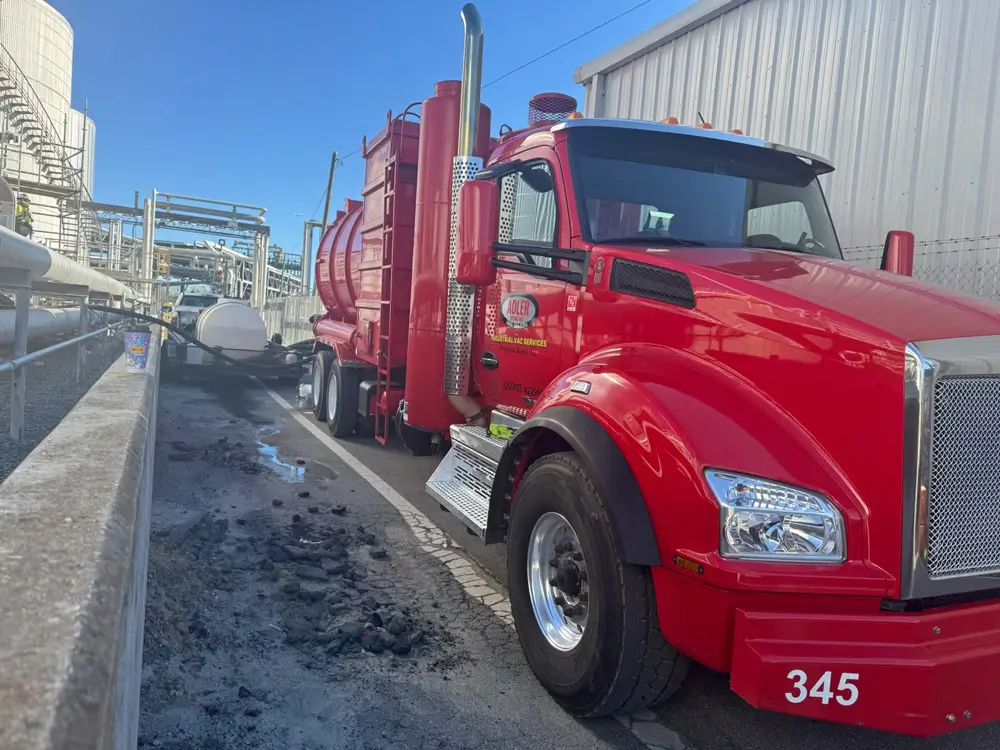
Roof vacuuming gives commercial facilities a faster and more controlled way to clean up after storms. Truck-mounted systems use long-reach hoses to remove debris, ballast, sediment, and standing water directly from the roof and transfer it into contained equipment below.
This process helps:
- Clear storm debris quickly
- Remove standing water from low areas
- Reduce blockage around drains and scuppers
- Limit unnecessary handling of wet rooftop material
- Prepare the roof for inspection, repair, or restoration
- Support safer cleanup with less disruption to the site
How Roof Vacuuming Supports Faster Recovery
Efficient Debris Removal
Commercial roof vacuuming is built for large-scale cleanup. It can remove loose rooftop material far more efficiently than hand collection alone, which helps facilities respond faster after severe weather.
Better Drainage Restoration
Clearing drains and low spots is one of the most important parts of post-storm roof cleanup. By removing debris and water from critical areas, vacuuming helps restore proper flow and reduce the chance of repeat ponding.
Improved Roof Access for Inspection and Repair
Once the roof surface is cleared, roofing contractors, maintenance teams, and facility personnel can inspect the roof more accurately. A cleaner surface makes it easier to identify storm-related damage and plan the next steps.
Contained Waste Handling
Because debris is collected directly into vacuum equipment, the cleanup process stays more organized and controlled. This can help reduce secondary mess around the property and support a cleaner post-storm worksite.
Why This Matters for Commercial Buildings in Florida, Texas, and Georgia
Buildings across the Southeast face recurring storm exposure, making post-storm roof cleanup an important part of facility maintenance.
- Florida: tropical storms, hurricanes, heavy rain, and windblown debris
- Texas: severe storms, hail, high winds, and drainage stress during intense rainfall
- Georgia: seasonal storms, tree debris, humidity, and moisture retention on flat roofs
Adler Hydro Vac supports facilities throughout these service areas with roof vacuuming and industrial vacuum solutions designed for active commercial and industrial sites.
When to Schedule Post-Storm Roof Vacuuming
Commercial properties should schedule cleanup as soon as conditions are safe after a major storm, especially if the roof shows signs of debris buildup, standing water, blocked drains, or interior moisture. Quick action can help prevent additional damage and support faster return to normal operations.
Roof vacuuming is also a strong option before detailed inspections, repair work, or insurance-related documentation because it creates a cleaner and more accessible roof surface.
Protect Your Commercial Roof After Severe Weather
Post-storm roof cleanup is about more than appearance. It helps protect drainage performance, reduce moisture-related damage, and prepare the roof for the next step in recovery. For commercial buildings in the Southeast, professional roof vacuuming can be one of the fastest ways to stabilize the roof after severe weather.
Learn more about Adler Hydro Vac roof vacuuming services, explore our service areas, or request a quote for post-storm commercial roof cleanup.
Frequently Asked Questions About Post-Storm Roof Vacuuming
When should a commercial building schedule roof vacuuming after a storm?
Cleanup should be scheduled as soon as site conditions are safe, especially when debris, standing water, or drainage problems are visible. Fast response can help reduce the chance of additional roof or interior damage.
Can roof vacuuming remove standing water and storm debris?
Yes. Roof vacuuming can remove both wet and dry rooftop material, including debris, sediment, gravel, and standing water that collect after storms.
Is roof vacuuming a good fit for commercial flat roofs?
Yes. It is commonly used on flat and low-slope commercial roofs where debris buildup and drainage issues are common after storms.
Do you provide roof vacuuming in Florida, Texas, and Georgia?
Adler Hydro Vac provides commercial roof vacuuming support across key Southeast markets, including Florida, Texas, and Georgia.