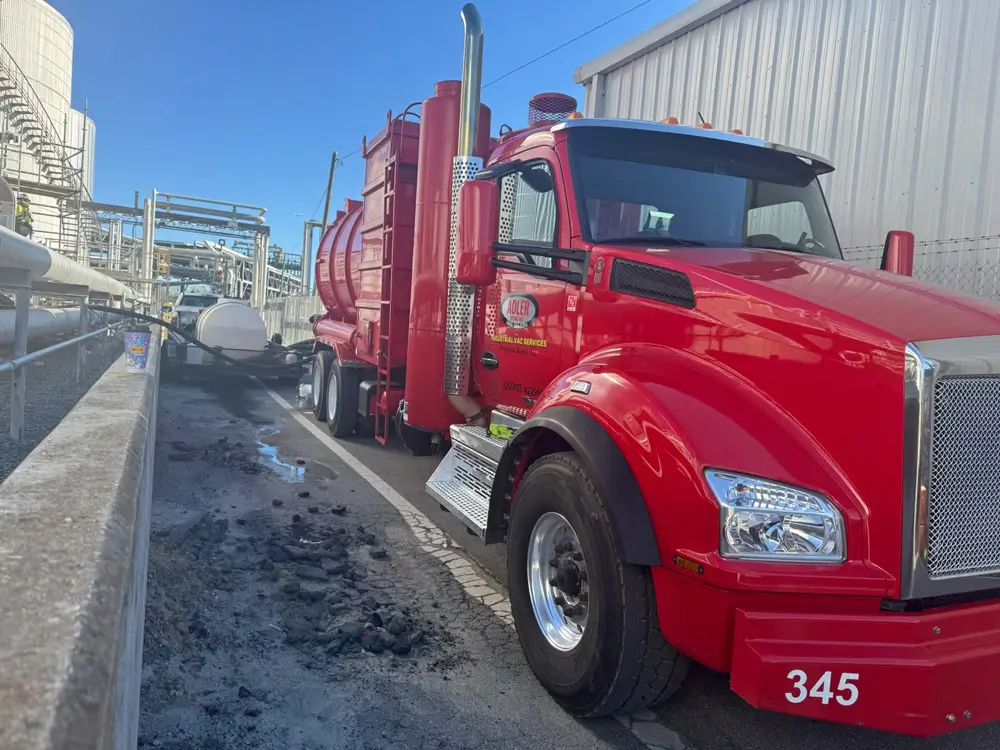
Hydro excavation is a highly effective method for highway maintenance, combining high-pressure water and vacuum technology to remove debris from roads and drainage systems. This approach is safer for underground utilities, faster than conventional methods, and ideal for year-round operations, even in freezing conditions. Key benefits include:
For example, highway crews have used hydro excavation to remove large volumes of debris in a single year, ensuring smooth water flow during storms. This method not only keeps highways clean but also enhances road safety and reduces maintenance delays.
Hydro excavation has become a go-to method for highway cleaning, thanks to its ability to combine high-pressure water and vacuum technology. This approach ensures effective debris removal while protecting sensitive underground systems. Here’s a closer look at how it works step by step.
Before any work begins, crews first evaluate the drainage system. This involves inspecting areas like freeway catch basins, pump stations, culverts, and underground pipes to identify the type and amount of debris that needs removal.
Another critical part of this phase is marking underground utilities – gas lines, fiber optic cables, and electrical infrastructure are flagged to avoid accidental damage. The type of debris – whether it’s liquid sludge, solid waste, vegetation, or a mix – guides decisions on water pressure settings and vacuum capacity.
Once the assessment is complete, the cleaning begins. Operators use high-pressure water jets to break apart debris, turning it into a slurry that’s easier to remove. This water pressure is powerful enough to cut through compacted soil, frozen ground, and built-up material, yet controlled enough to avoid damaging underground utilities.
As the debris is broken down, a vacuum system suctions the slurry away. These systems efficiently clear rocks, sludge, vegetation, and litter. Unlike traditional excavation equipment, this non-mechanical approach reduces the risk of damaging buried infrastructure.
After the debris is removed, crews focus on proper waste handling. The slurry is stored in onboard tanks and transported to approved disposal sites that meet environmental regulations. Planning for disposal in advance ensures compliance and efficient operations.
Hydro excavation improves safety by reducing the risk of damaging underground utilities compared to traditional digging methods. It uses high-pressure water to expose utilities without direct contact, minimizing potential hazards.
It also enhances worker safety by allowing operators to control equipment from a distance and reducing the need for manual trenching. By clearing drainage systems effectively, it helps prevent standing water and improves road safety during storms.
Hydro excavation speeds up project timelines by combining cutting and removal into a single process. Smaller crews are typically required, and equipment can operate from a distance, reducing the need to reposition machinery.
This efficiency allows highway maintenance teams to complete work faster and with less disruption to traffic.
This method offers environmental advantages by containing debris within a sealed system, preventing contamination of nearby areas. It also minimizes soil disruption, helping preserve surrounding landscapes and vegetation.
Because only targeted material is removed, less waste is generated compared to traditional excavation methods, reducing the overall environmental footprint.
Hydro excavation is widely used to maintain highway drainage systems. It removes blockages from storm drains and culverts, preventing flooding and water buildup on roads.
The process often includes inspection, debris breakdown using pressurized water, and vacuum removal into onboard tanks. This ensures systems remain functional and ready to handle heavy rainfall.
Roadside ditches and shoulders can accumulate debris such as sediment, litter, and vegetation. Hydro excavation effectively clears these areas, especially in hard-to-reach locations.
By maintaining proper drainage, it helps reduce risks like hydroplaning and ice formation. Regular cleaning ensures these systems function properly throughout the year.
Hydro excavation is also used in construction and repair projects to safely expose underground utilities. This process allows crews to locate infrastructure without causing damage.
Its precision makes it suitable for trenching and installation work, while its ability to operate in frozen conditions allows projects to continue during colder months.
Hydro excavation is transforming highway maintenance by offering a precise, efficient, and safer alternative to traditional excavation methods.
As infrastructure demands increase and safety standards evolve, this approach provides a reliable solution for maintaining clean, functional highways while protecting underground utilities.
Hydro excavation removes debris, sludge, dirt, and other materials from highways and drainage systems, helping maintain proper flow and prevent blockages.
This method is designed to safely expose underground utilities without direct contact, significantly reducing the risk of damage compared to traditional digging.
The slurry is transported to approved disposal facilities or managed according to local environmental regulations to ensure safe and compliant handling.