Line jetting, also called hydro jetting, is a high-pressure water cleaning method used to clear and maintain pipelines. This process removes blockages like grease, sludge, and roots without chemicals, making it an effective solution for Texas industries and municipalities dealing with stressed sewer and stormwater systems. Here’s what you need to know:
Adler Hydro Vac is a trusted provider in Texas, offering certified technicians, advanced equipment, and 24/7 emergency support. Our six-step process ensures thorough cleaning, waste disposal compliance, and reliable service for businesses and municipalities alike.
Line jetting is a cleaning method that uses high-pressure water to clear out pipelines and eliminate blockages – no chemicals needed. A specialized hose equipped with a nozzle delivers water at pressures typically around 4,000 PSI for commercial jobs, though industrial systems can crank it up to as much as 40,000 PSI. The nozzle works by blasting water forward to break apart debris like grease, sludge, mineral deposits, and even tree roots. At the same time, it propels itself through the pipeline, flushing out all the loosened material.
Unlike traditional snaking, which only punches a hole through the clog, line jetting goes the extra mile by cleaning the entire inner surface of the pipe. This 360-degree cleaning restores the pipe’s flow capacity and reduces the chances of recurring clogs.
It also helps extend the lifespan of pipes by removing corrosive buildup and mineral scale that can weaken their structure over time. In places like San Antonio, where water hardness ranges from 15 to 20 grains per gallon, mineral deposits form quickly. High-pressure water is particularly effective at tackling this kind of scale, making it a practical solution for areas with hard water like Texas. Beyond clearing blockages, line jetting tackles region-specific challenges, like hard water-related buildup, with precision and efficiency.
Line jetting follows a structured process to ensure thorough cleaning while protecting the integrity of the pipes. It starts with a video camera inspection to locate the blockage and confirm that the pipe can handle the pressure. This step is crucial – if the pipe is severely corroded or collapsed, jetting could cause further damage.
Once the inspection is done, technicians select a nozzle suited to the type of debris. For instance, root cutters are used for vegetation, while flusher nozzles handle grease and sludge. The high-pressure hose is then inserted into the pipe, where the water breaks apart obstructions and scrubs the pipe walls clean. To prevent debris from resettling, vacuum systems are used to remove the loosened material. After cleaning, a second video inspection confirms the pipe is clear and documents its condition.
For businesses and industrial facilities, scheduling preventive jetting every 6 to 12 months can keep things running smoothly and help avoid costly emergency backups.
Line jetting is a practical solution for Texas industries, helping to avoid costly repairs and extending the lifespan of critical infrastructure. By clearing out corrosive substances and mineral deposits, it delays the need for expensive replacements and ensures systems remain efficient. Regular jetting also prevents sewage backups, which can lead to temporary closures or significant operational delays.
One of the biggest advantages of line jetting is its ability to stop problems before they escalate. Debris left unchecked can cause serious issues like backups, flooding, and even structural damage, such as sinkholes or foundation shifts. Unlike mechanical snaking, which merely clears a small pathway through blockages, jetting thoroughly cleans the entire interior of the pipe. This thorough approach significantly reduces the likelihood of recurring clogs, ensuring smoother operations.
The process is also minimally disruptive. It requires only a cleanout access point, avoiding the need for costly excavation, wall demolition, or landscaping repairs. For Texas businesses, commercial hydro jetting typically costs between $350 and $750 per job, depending on the complexity and accessibility of the pipes. Scheduling jetting services every 6 to 12 months keeps systems running efficiently and prevents emergency situations.
Beyond cost and operational benefits, line jetting also supports environmentally responsible practices.
Line jetting uses nothing but high-pressure water, avoiding the need for harsh chemical solvents that could harm pipes, contaminate groundwater, or disrupt local ecosystems. This method is not only effective but also eco-friendly.
This technique also helps Texas industries comply with environmental and health regulations by ensuring that waste is properly managed and disposed of in accordance with legal standards. Advanced systems combine jetting with vacuum extraction, capturing debris rather than allowing it to enter municipal systems or waterways. By preventing sewage overflows and stormwater backups, line jetting protects against raw sewage spills and localized flooding. Additionally, high-pressure cleaning eliminates waste, grease, and bacteria that cause unpleasant odors, improving air quality around industrial facilities.
These features make line jetting an ideal choice for Texas industries, where maintaining environmental compliance and infrastructure longevity is critical.
Line jetting has become a go-to solution across various industries in Texas, thanks to its efficiency and environmentally friendly approach. Its versatility makes it a key tool in sectors ranging from manufacturing to municipal maintenance.
Factories and processing plants in Texas rely on line jetting to clear grease, sludge, rust, and scale from pipelines, which can otherwise disrupt production and lower product quality. It’s also widely used to clean furnaces, boilers, and industrial tanks, helping restore heat transfer efficiency and reducing strain on equipment. The high-pressure water can even tackle stubborn, hardened deposits.
In port cities such as Houston and Corpus Christi, hydroblasting is used to remove barnacles, algae, and other marine growth from ship hulls. This not only improves fuel efficiency but also avoids damaging protective coatings.
Municipal systems across Texas also benefit greatly from line jetting. Local governments use it for routine maintenance of sewer systems, storm drains, and lift stations to prevent public health risks. It’s particularly effective for clearing storm sewers up to 60 inches in diameter, removing heavy sediment and debris that can cause flooding and drainage issues.
In cities like Houston, jetting plays a crucial role in cleaning lift stations, where grease, solids, and debris often accumulate. This helps prevent equipment failure and ensures compliance with wastewater regulations. Some service providers even offer emergency response times as quick as 60 minutes for critical blockages or lift station issues. To stay ahead of Texas’s intense rainstorms, municipalities often schedule storm sewer cleaning at least once a year to prevent sediment buildup.
Line jetting is indispensable in construction, especially during site preparation. It clears debris, sediment, and obstructions from pipelines and drainage systems before work begins, ensuring a clean and functional workspace. During earthwork, jetting is used to remove mud, silt, and other debris, keeping storm and sewer systems operational.
For new developments, a final jetting pass is often required to remove construction-related sediment and meet municipal standards for “like-new” conditions before project turnover. In areas like Austin and Houston, where expansive clay soil is common, pipe separation and misalignment are frequent challenges. Line jetting helps address these issues, ensuring systems are ready for long-term use.
Line jetting operations depend on specialized high-pressure tools designed to handle everything from routine cleanups to the most challenging industrial scenarios across Texas. The right mix of jetters, nozzles, and vacuum systems ensures blockages are cleared efficiently while protecting the integrity of the pipes. Below, we’ll break down the core components that make these operations effective. These tools not only boost efficiency but also support environmentally conscious practices in Texas industries.
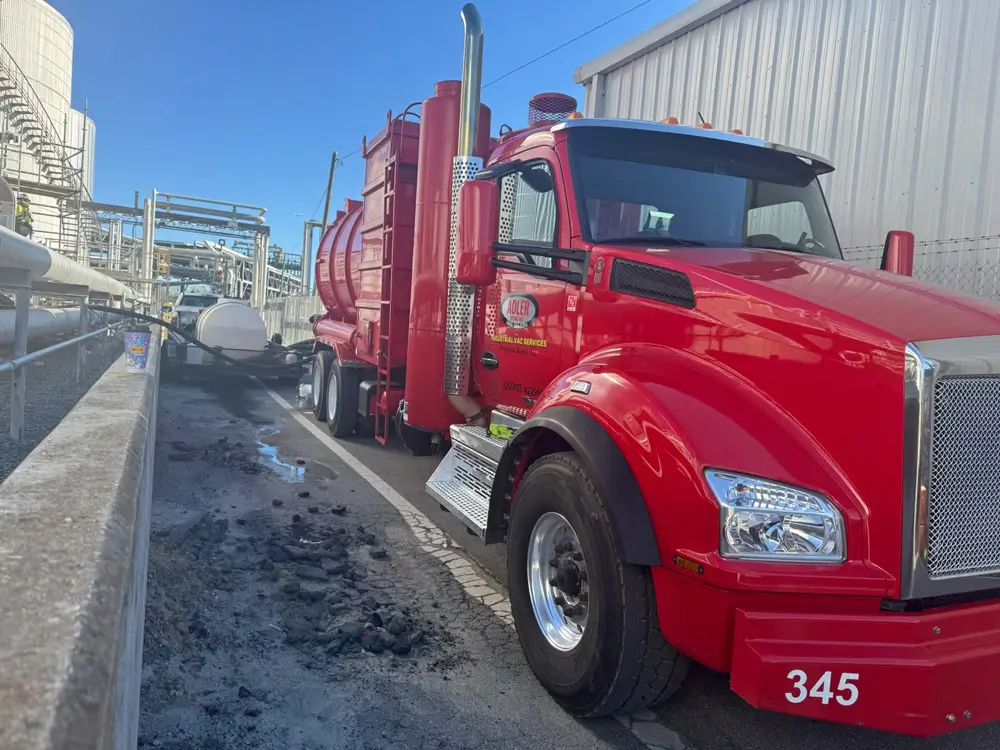
Modern hydro jetters are mounted on trucks or trailers and include essential components such as an engine, pump, water tank, and reel-mounted hoses that can stretch up to 500 feet. The pressure and flow rates of these systems vary depending on the job. For instance, standard cleaning typically operates at 2,500 to 3,500 PSI with flow rates between 50 and 80 GPM. More versatile units, which operate at 4,000 PSI and 25 GPM, are ideal for pipes ranging from 4 to 24 inches in diameter – common in Texas industrial and agricultural settings. For larger municipal storm drains, high-flow systems deliver 2,000 PSI at 65 GPM to tackle heavy debris. In some cases, custom units can reach pressures as high as 10,000 to 20,000 PSI.
The choice of nozzle is equally important for effective cleaning. Rotational nozzles, which provide 360-degree coverage through spinning heads, are particularly effective against grease and scale, thanks to their precise jet performance.
Texas-specific challenges often call for specialty nozzles. For example, chain flails can remove hard scale, cutting nozzles are used to slice through thick roots, and weighted “sand and sludge” nozzles are designed to stay at the bottom of large culverts to clear heavy debris – a critical feature after flash floods. In North Texas, where winter freezes can disrupt operations, enclosed van pack units equipped with antifreeze systems ensure projects stay on track.
While jetters and nozzles do the heavy lifting of breaking up debris, vacuum systems step in to remove the loosened materials.
High-pressure jetting dislodges blockages, but vacuum trucks handle the essential task of removing the debris before it can settle downstream and cause new issues. These trucks collect grease, sludge, roots, and industrial waste directly on-site, ensuring compliance with environmental regulations. The combination of jetting and vacuuming creates a seamless cleaning process that minimizes downtime, particularly for large-diameter municipal and industrial pipelines.
In Texas, where storm drains often fill with sand, mud, and sludge after heavy rains, vacuum trucks are indispensable. They effectively clear debris that high-pressure water alone might miss. This is especially important near sensitive waterways to protect local ecosystems. By integrating vacuum systems, line jetting operations not only improve cleaning efficiency but also align with environmentally responsible practices.
Here’s a quick look at the primary equipment and their applications in Texas:
| Equipment Type | Function | Texas Application Example |
|---|---|---|
| High-Pressure Jetter | Breaks up grease, roots, and mineral deposits | Clearing industrial food processing lines |
| Vacuum Truck | Removes dislodged debris and sludge | Cleaning municipal storm drains after heavy rains |
| Sand/Sludge Nozzles | Targets heavy materials at the bottom of pipes | Culvert maintenance in coastal or sandy regions |
| Van Packs | Compact jetting for smaller lines (2″-18″) | Residential or light commercial sewer maintenance |
Line jetting in Texas often involves extremely high pressures – typically over 2,500 PSI and sometimes reaching up to 4,000 PSI. For perspective, even water pressure as low as 100 PSI can pierce human skin [30,32]. At 4,000 PSI, the risks are far more severe, with potential injuries resembling gunshot wounds.
To mitigate these risks, strict safety measures are non-negotiable. Operators must conduct thorough pre-work inspections, checking nozzle bodies for cracks or worn threads and examining hoses for any signs of damage, such as kinks, tears, or bulges. Before pressurizing the system, the nozzle must be inserted at least three feet into the pipe to prevent hazardous hose ejection. Marking the last 15 feet of the hose with bright tape or paint at 3–5 foot intervals helps signal when the nozzle is nearing the pipe opening. Operators should always use both hands to control the hose and ensure all personnel on-site are trained to stop the equipment immediately in case of an emergency.
Working in confined spaces like manholes or grease traps adds another layer of danger. These areas often contain toxic gases such as hydrogen sulfide, methane, and carbon monoxide [28,29]. Testing the air quality is essential, and operators must wear full protective gear. This includes a full face shield (required for pressures above 2,000 PSI), a helmet, insulated waterproof gloves, overalls, hearing protection, and safety boots with metatarsal guards.
Injuries from high-pressure water jetting demand immediate medical attention.
To protect the public and nearby workers, establish an exclusion zone using cones, signs, or barriers to keep people away from high-velocity debris. After working with wastewater, operators should thoroughly clean their hands and equipment with hot, soapy water to minimize health risks [28,29].
Beyond personal safety, managing water discharge and debris is critical for regulatory compliance and environmental protection. Texas regulations, outlined in Chapters 307 and 311, require operators to control discharges and securely contain debris to prevent environmental harm [28,35]. Before starting a job, identify the discharge point and ensure debris is collected and transported to an approved disposal facility.
Proper ventilation is equally important, especially in confined or enclosed spaces. Operators should use carbon monoxide detectors when necessary to ensure safe air quality [28,29]. Trusted organizations like the Houston Business Roundtable and the East Harris County Manufacturers Association recommend the WJTA “Orange Book” as a comprehensive guide for high-pressure water cleaning and operator certification. Daily equipment checks, including inspections of hoses, couplings, and safety valves, alongside weekly supervisor audits, help maintain worker safety and meet environmental standards [29,30].
These practices are essential for keeping line jetting operations efficient, safe, and compliant with Texas regulations.
When it comes to line jetting, picking the right provider can make all the difference. You’ll want a team with certified technicians trained in high-pressure jetting, OSHA standards, Hazmat handling, and confined space operations. This kind of expertise ensures they can safely handle the extreme pressures involved – often exceeding 4,000 PSI.
Look for providers equipped with advanced technology capable of delivering water pressures between 10,000 and 40,000 PSI. They should also offer CCTV camera inspections both before and after the jetting process. These inspections help pinpoint blockages and confirm the integrity of the pipes after cleaning.
Emergency availability is another must-have. Choose a provider that guarantees quick response times, ideally within 60 minutes for urgent situations. On top of that, make sure their waste management practices comply with Texas regulations. Transparent pricing is equally important – ask for a detailed breakdown of costs, including labor, equipment, and diagnostics. For reference, residential services typically range from $200 to $600, while commercial projects require custom quotes based on factors like pipe length and accessibility.
These criteria are essential for selecting a provider you can trust, setting the stage for why Adler Hydro Vac is a standout choice in Texas.
Adler Hydro Vac brings over 40 years of experience in industrial cleaning and line jetting across Texas and the Southeast. With a fleet of more than 30 specialized vehicles and a track record of completing over 25,000 projects, they’ve built a reputation for handling even the most complex challenges.
“Our ‘Never Say No’ approach means we’re ready to handle any challenge, no matter the complexity.”
This mindset allows Adler Hydro Vac to tackle tough jobs across various industries, from manufacturing plants to municipal sewer systems.
Their six-step process ensures thorough and effective service. It starts with an initial CCTV inspection, followed by a tailored jetting plan, high-pressure cleaning, post-jetting verification, compliant waste disposal, and detailed reporting. This method prioritizes safety and effectiveness while adhering to Texas’s environmental standards. Plus, their commitment to using only water – without chemicals – protects infrastructure and supports eco-friendly practices.
For businesses in Texas looking for reliable, customized cleaning solutions, Adler Hydro Vac offers the expertise, safety, and responsiveness needed for everything from routine maintenance to emergency situations.
Line jetting plays a key role in maintaining Texas’s infrastructure by clearing out corrosive scale, mineral deposits, grease, and tree roots. This process not only extends the lifespan of pipes but also helps avoid costly emergency repairs and disruptions down the line. Its adaptability makes it indispensable across various industries, from municipal sewer systems that prevent sewage backups to manufacturing facilities ensuring compliance. With specialized nozzles capable of handling everything from standard drains to massive 96-inch culverts, line jetting meets a wide range of needs. Regular maintenance, scheduled every 6 to 12 months, is far more cost-effective than dealing with emergencies that might involve excavation, property damage, or operational delays.
Using high-pressure water – up to 4,000 PSI – line jetting avoids the use of harsh chemicals, making it safer for older plumbing systems and protecting Texas’s groundwater. This trenchless method requires only a cleanout access point, preserving landscaping and reducing disruptions to daily life.
Adler Hydro Vac stands out as a trusted partner in these efforts. With over 40 years of experience, a fleet of more than 30 specialized vehicles, and thousands of completed projects, they bring unmatched expertise to the table. Their services include everything from initial CCTV inspections to compliant waste disposal, all backed by strict safety protocols and 24/7 emergency support. This comprehensive approach ensures that Texas’s critical infrastructure remains in top condition.
The operational and environmental benefits of line jetting make it an essential, responsible solution for maintaining the state’s infrastructure effectively and sustainably.
Hydro jetting can be a safe option for older or damaged pipes, but only if they are carefully inspected beforehand to confirm they can withstand the high pressure. If the pipes are already fragile, cracked, or heavily worn, hydro jetting could cause further damage. That’s why it’s essential to have a professional assess the pipe’s condition before moving forward with this method.
Frequent clogs, slow drains, or backups typically point to debris buildup in your pipes. One effective solution is hydro jetting, which uses high-pressure water to clear out blockages. However, if your pipes are aging, cracked, or already damaged, cleaning alone might not cut it – you may need repairs or even a full replacement. A professional inspection, often done with CCTV cameras, can reveal whether hydro jetting will solve the problem or if structural fixes are necessary.
Before starting line jetting, it’s important to inspect your pipelines, preferably using video equipment. This helps pinpoint blockages and evaluate the condition of the pipes. Make sure access points, such as cleanouts, are easy to reach and free from obstructions. Clear away any debris around the work area to create a safer and more efficient environment for technicians. Taking these steps minimizes the chance of damage and helps ensure the process works as effectively as possible.