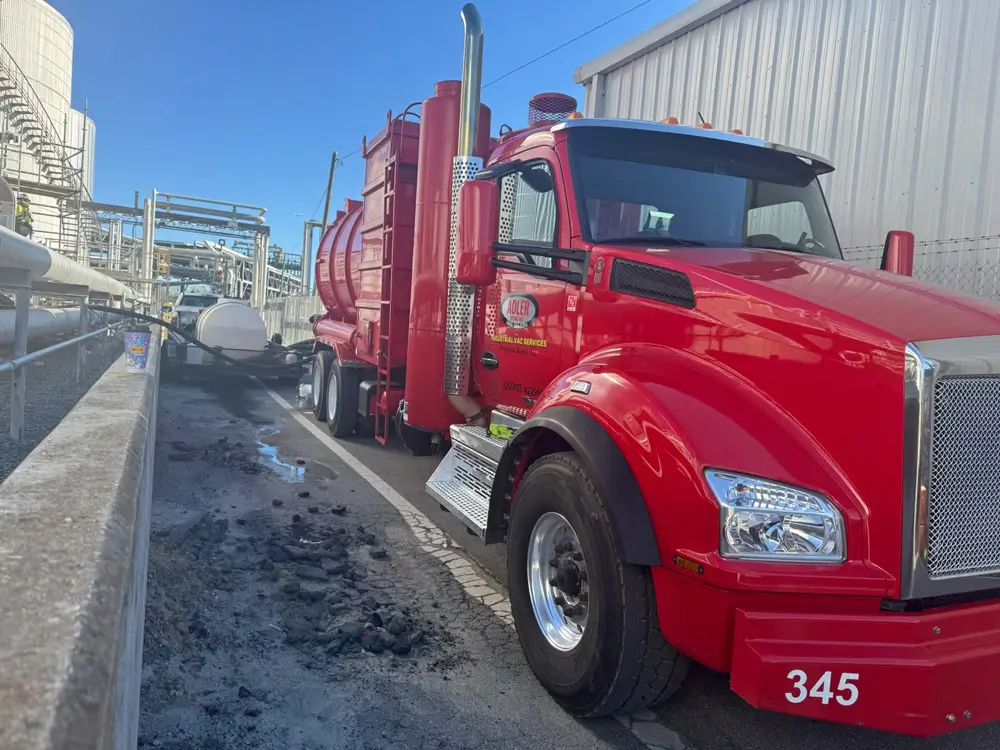
Hydro blasting is transforming maintenance in oil and gas operations by using high-pressure water jets to clean equipment, pipelines, and surfaces effectively. This method is safer for workers, eliminates harsh chemicals, and reduces downtime. Key benefits include:
Applications include tank cleaning, pipeline maintenance, and surface preparation for repairs and coatings. Hydro blasting supports industry goals for safety, compliance, and operational reliability, making it an essential tool in modern oil and gas operations.
In the oil and gas industry, hydro blasting plays a pivotal role in maintaining operations, ensuring safety, and meeting regulatory standards. This method is employed for essential tasks that, if neglected, could compromise productivity and safety.
Storage tanks in oil and gas facilities often accumulate residues that reduce their capacity and pose safety risks. Hydro blasting, with its adjustable high-pressure jets (ranging from 5,000 to 40,000 psi), provides a thorough cleaning solution without compromising the structural integrity of the tanks.
Additionally, hydro blasting is critical for pipeline maintenance, where it ensures uninterrupted flow and efficiency.
Pipelines are susceptible to issues like scale buildup, paraffin deposits, and corrosion, all of which can restrict flow and reduce operational efficiency. Traditional cleaning methods often risk damaging pipes or require shutdowns, leading to downtime.
Hydro blasting offers a more effective alternative, using high-pressure water jets to remove deposits and restore full flow capacity – all without halting operations. This minimizes disruptions and keeps systems running smoothly.
By maintaining pipeline integrity and efficiency, hydro blasting ensures the industry’s focus on safe and continuous operations. It’s not just about cleaning, though – surface preparation is equally critical for repairs and coatings.
When it comes to applying coatings or performing repairs, proper surface preparation is key. Rust, old paint, and scale must be removed to ensure coatings adhere properly and repairs last. Failing to prepare surfaces adequately can lead to premature failures and extended downtime.
Hydro blasting excels in this area by removing contaminants without damaging the underlying material. With adjustable pressure settings, operators can strip away unwanted layers while preserving the surface profile, which is vital for maintaining structural integrity.
This method is versatile enough to handle everything from large storage tanks to intricate piping systems. Plus, it’s environmentally friendly – producing minimal dust and allowing water to be collected and filtered for reuse. Faster turnaround times mean equipment can return to service sooner, boosting operational efficiency and safety.
Hydro blasting in the oil and gas industry depends heavily on cutting-edge equipment. Over the years, these systems have advanced significantly, offering greater precision, power, and safety features. These improvements not only streamline industrial cleaning processes but also set the foundation for the safety and operational advantages covered later.
At the heart of hydro blasting operations are Ultra-High-Pressure (UHP) systems. These machines operate at pressures ranging from 5,000 psi to an impressive 40,000 psi, making them versatile enough to handle everything from standard cleaning tasks to breaking down the toughest industrial residues like hardened asphalt. This flexibility allows operators to adapt to a variety of tasks without needing multiple systems, which can help reduce costs.
One of the standout benefits of UHP systems is their ability to eliminate the need for manual entry into confined, potentially hazardous spaces. They break down deposits with remarkable efficiency and precision, offering adjustable pressure settings tailored to specific tasks. This adaptability ensures thorough cleaning without causing damage to surfaces.
These advanced systems are particularly effective in cleaning tight spaces and removing stubborn deposits, making them indispensable for industrial applications.
The push for improved safety in oil and gas operations has led to the rise of automated hydro blasting systems. These include robotic crawlers and other remote-controlled technologies designed to handle tasks in pipelines, storage tanks, and confined vessels without putting workers at risk.
In addition to keeping personnel safe, these automated systems deliver faster results by operating continuously, which helps reduce downtime. Their precise cleaning methods ensure that equipment remains undamaged, preserving its structural integrity and extending its lifespan. By combining safety with efficiency, these technologies play a crucial role in maintaining smooth operations while minimizing risks and delays.
The oil and gas industry presents workers with numerous hazards. Hydro blasting, known for its effective cleaning capabilities, not only enhances cleaning results but also improves operational workflows. By enabling remote cleaning, it prioritizes worker safety while increasing overall efficiency.
Traditional cleaning methods often require workers to enter confined spaces, exposing them to risks such as toxic gases and low oxygen levels. Hydro blasting eliminates these dangers by using a remote, non-invasive cleaning process. This approach not only protects workers but also helps maintain the structural condition of critical equipment.
“Conventional cleaning methods often involve dangerous manual labor in confined or high-risk environments. Our high-pressure water jet cleaning service offers a significantly safer alternative, placing worker safety and operational integrity at the forefront.” – Adler Hydro Vac Services
By reducing risks, hydro blasting makes it possible to maintain operations without compromising safety.
Beyond its safety advantages, hydro blasting also helps facilities minimize downtime. Traditional cleaning often requires lengthy shutdowns, disrupting operations. Hydro blasting, however, speeds up the cleaning process and offers greater flexibility in scheduling, allowing facilities to get back online faster. With skilled teams handling the process efficiently, equipment is cleaned and returned to service in a fraction of the time.
The oil and gas industry is under mounting pressure to balance strict environmental regulations with maintaining efficiency. Hydro blasting stands out as a method that not only minimizes chemical waste but also helps facilities stay compliant with environmental standards. This eco-friendly approach aligns well with the operational and safety advantages previously discussed.
Hydro blasting relies on high-pressure water as its main cleaning agent, significantly cutting down – or even eliminating – the need for harsh chemical cleaners. Traditional cleaning methods often involve toxic solvents that generate hazardous waste, requiring special handling and disposal. By contrast, hydro blasting avoids these chemicals altogether, resulting in a cleaner, simpler waste stream to manage. This not only reduces hazardous waste but also helps extend the lifespan of equipment by preventing chemical residue buildup.
Beyond waste reduction, hydro blasting makes it easier for facilities to comply with stringent environmental rules. Agencies like the Environmental Protection Agency (EPA) enforce strict guidelines on chemical discharge and waste management, and hydro blasting naturally produces fewer regulated waste products. This method meets rigorous environmental and safety standards while also promoting worker safety. By offering a safer and cleaner alternative to traditional methods, hydro blasting ensures compliance with both environmental laws and occupational safety requirements, providing a comprehensive solution for regulatory challenges.
Examples from the field show how hydro blasting is reshaping maintenance practices in the oil and gas industry. These real-world scenarios illustrate improvements in safety, efficiency, and cost management through high-pressure water cleaning.
Offshore platforms deal with constant challenges like salt corrosion, marine growth, and severe weather, all of which speed up equipment wear and tear. Traditional cleaning methods often involve time-consuming scaffolding setups, chemical treatments, and extended downtime.
Hydro blasting, using pressures between 20,000 and 40,000 psi, effectively removes marine growth, rust, and coatings while protecting the integrity of the steel beneath. This precise cleaning method prepares surfaces for new protective coatings without requiring a full shutdown, allowing some parts of the platform to remain operational. Water-based cleaning also avoids abrasive damage, preserving critical components like drilling equipment, safety systems, and living spaces. Flexible hoses make it easier to reach tight or elevated areas, reducing the risks tied to confined spaces and working at heights. These offshore successes highlight how hydro blasting can also streamline onshore maintenance tasks.
Storage tanks in refineries and processing plants often collect layers of sludge, asphalt residue, and hardened petroleum products. These buildups not only reduce storage capacity but also pose safety risks. Conventional cleaning methods typically involve manual entry into confined spaces, leading to longer downtimes.
Hydro blasting, operating at pressures between 5,000 and 40,000 psi, removes tough residues like asphalt, bitumen, and petroleum sludge without requiring workers to enter the tanks. This remote cleaning method boosts safety, restores material flow, and extends equipment life. Facilities experience shorter downtime and quicker turnarounds, all while keeping other operations running. The same technology also proves highly effective for pipeline maintenance, as outlined below.
Beyond offshore platforms and storage tanks, hydro blasting is equally impactful for pipeline maintenance. Over time, pipelines can develop scale, corrosion deposits, and flow restrictions, which reduce efficiency and raise pumping costs. Traditional cleaning methods often involve shutting down sections of the pipeline, which extends maintenance periods.
High-pressure water systems clean pipelines by removing scale, corrosion, and deposits like paraffin buildup and iron sulfide, all while preserving the structural integrity of the pipes. Operators can adjust pressure levels to safely clean pipelines of varying materials and diameters, avoiding chemical residue contamination in product streams. This method allows for cleaning specific pipeline sections without halting the entire system, minimizing disruptions. The ability to handle pipelines of all sizes – from small gathering lines to large transmission pipelines – makes hydro blasting a versatile and efficient solution for the oil and gas sector.
Hydro blasting has become a game-changer for oil and gas operations, offering safer, more efficient, and environmentally-friendly solutions for maintenance and cleaning tasks. Its ability to handle a variety of challenges while minimizing risks makes it an essential tool in the industry.
One of its standout advantages is the ability to perform remote operations. By reducing the need for workers to enter confined or hazardous spaces, hydro blasting significantly lowers safety risks. It also allows for targeted cleaning without requiring a complete shutdown, helping to keep production on track.
From an environmental perspective, hydro blasting shines as a water-based method that limits the use of harsh chemicals and generates minimal secondary waste. This simplifies waste management and helps meet regulatory requirements, aligning with the industry’s growing focus on sustainability.
With its precision and versatility, hydro blasting addresses a wide range of maintenance needs. As safety, efficiency, and environmental awareness take center stage in oil and gas operations, hydro blasting has proven to be an invaluable asset.
Hydro blasting has become a go-to cleaning method in the oil and gas industry, offering a combination of safety and efficiency that’s hard to match. Instead of relying on abrasive tools or harsh chemicals, this technique uses high-pressure water to clean surfaces. The result? Equipment stays intact, and there’s no risk of releasing harmful substances into the environment.
This approach is especially effective for cleaning pipelines, tanks, and other essential equipment. Plus, it cuts downtime significantly. With no need for lengthy manual scrubbing or complicated chemical treatments, hydro blasting streamlines operations while keeping safety front and center – crucial in such high-risk settings.
Hydro blasting offers an effective way to handle tough pipeline maintenance tasks, such as clearing stubborn deposits, scale buildup, and blockages caused by oil, gas, or other residues. Using high-pressure water jets, it thoroughly cleans pipelines without damaging the infrastructure, making it a reliable choice for maintaining essential systems.
This method also helps companies minimize operational disruptions. Hydro blasting is fast, accurate, and avoids the use of harsh chemicals, which not only reduces downtime but also creates a safer environment for maintenance crews. This level of efficiency is especially critical in the oil and gas sector, where maintaining continuous operations is a top priority.
Hydro blasting is a key technique for ensuring oil and gas operations stay within environmental regulations while also supporting eco-conscious practices. Instead of relying on harsh chemicals, it uses high-pressure water to clean, which significantly reduces the risk of releasing harmful substances into the environment. This approach helps protect nearby soil and water sources from contamination.
Beyond its environmental benefits, hydro blasting excels at efficiently cleaning equipment, pipelines, and surfaces. This thorough cleaning helps extend the lifespan of these assets, cutting down on frequent replacements. The result? Less waste and fewer resources consumed – both of which align with sustainability efforts. Plus, since hydro blasting doesn’t produce much secondary waste, it adds another layer of environmental friendliness to the process.