Routine tank cleaning is critical for keeping refineries and terminals running smoothly. Neglecting it can lead to sludge buildup, corrosion, contamination, and costly unplanned shutdowns. Regular maintenance not only prevents these issues but also ensures compliance with safety regulations, protects product quality, and reduces financial losses.
Key Takeaways:
Knowing what triggers tank-related shutdowns is crucial for crafting strategies to prevent them. Three primary culprits often disrupt operations: sludge buildup, corrosion and structural damage, and contamination issues. Here’s a closer look at each factor and why proactive cleaning is essential.
Over time, petroleum residues naturally collect in refinery and terminal tanks. In asphalt operations, the situation can get even trickier. Tough residues, hardened buildup, and bitumen deposits cling to tank walls and settle at the bottom, obstructing material flow. This turns routine cleaning into a time-consuming and costly maintenance headache.
When residues are left untreated, they can speed up tank corrosion. For example, water trapped beneath layers of sludge fosters corrosion, gradually weakening the tank’s structure. This can eventually lead to leaks or even complete structural failure. Minor corrosion, if ignored, can snowball into major operational disruptions. Advanced cleaning techniques like high-pressure water jetting are highly effective in removing corrosive materials, helping to preserve the tank’s integrity and extend its lifespan.
Contamination brings its own set of challenges, impacting both operations and compliance. Sludge, oil spills, and hazardous waste can taint tank contents, increasing the risk of cross-contamination between different product grades. This not only disrupts operations but also leads to financial setbacks. Additionally, contamination incidents demand immediate cleanup and strict adherence to regulations. Safety concerns tied to contaminated materials can force temporary shutdowns, causing delays across interconnected systems. These disruptions underscore the importance of regular cleaning to avoid costly downtime, a topic that will be explored further in later sections.
Dealing with challenges like sludge buildup, corrosion, and contamination makes choosing the right tank cleaning method essential to keep operations running smoothly. For refineries and terminals across the US, selecting the right approach not only minimizes maintenance downtime but also ensures compliance with safety standards.
Manual cleaning involves workers physically removing residues from inside tanks. This method provides a high level of precision, allowing teams to focus on specific areas and thoroughly inspect tank conditions. However, it also comes with notable drawbacks. Workers entering tanks face significant safety risks, and the process can extend downtime compared to automated alternatives. Automated systems, by contrast, mitigate these risks while speeding up the cleaning process.
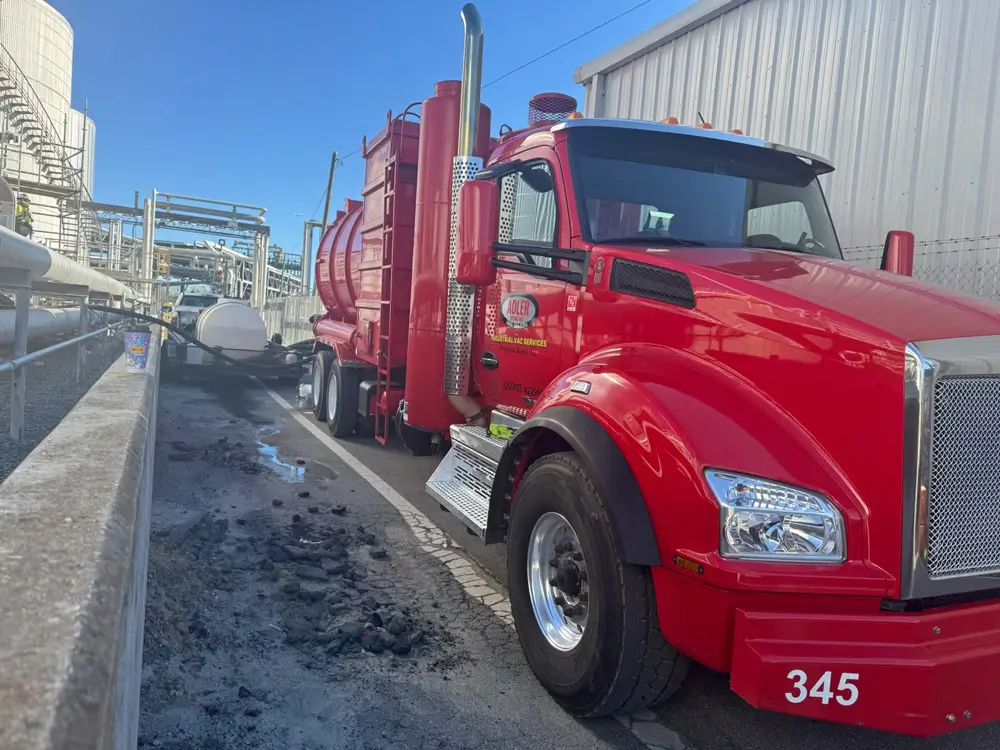
Modern automated systems have transformed tank cleaning by improving efficiency and safety. Techniques like high-pressure water jetting and industrial vacuum systems are widely used in refineries to handle stubborn residues. High-pressure water jets are particularly effective at breaking down tough deposits, such as hardened asphalt, without requiring workers to enter the tanks. Meanwhile, industrial vacuum trucks efficiently remove both wet and dry materials, including sludge, oil spills, and other hazardous substances.
By combining high-pressure jetting with vacuum extraction, facilities can significantly reduce downtime while minimizing the need for manual labor inside tanks.
Protecting the environment is a top priority during tank cleaning operations. Industrial vacuum trucks are designed to safely collect and transport hazardous waste, ensuring contaminants are securely contained. Proper disposal methods not only comply with environmental regulations but also safeguard workers and surrounding communities. This careful handling of waste underscores the importance of safety and environmental responsibility in the tank cleaning process.
Having a structured cleaning schedule turns maintenance from a last-minute scramble into a well-organized process. Routine cleaning helps avoid blockages and buildup, keeping operations consistent and dependable. This approach builds on the cleaning methods discussed earlier, ensuring a proactive maintenance strategy.
Setting up a cleaning schedule starts with evaluating how each tank is used and its overall condition. Tanks storing heavier materials, like asphalt, often require more frequent cleaning than those holding lighter substances. Other factors, such as temperature changes or external conditions, can also influence residue buildup.
To fine-tune the schedule, regular monitoring is key. This includes visual inspections, checking flow rates, and tracking pressure readings to spot when cleaning is needed. Keeping a detailed log of cleaning dates, methods used, and observations can help refine and optimize future maintenance plans.
Proactive cleaning helps avoid unexpected shutdowns and extends the life of equipment. Tackling residue buildup early prevents it from hardening into deposits that demand more expensive and time-consuming removal methods. This not only minimizes unplanned downtime but also helps maintain the structural health of tanks and reduces the likelihood of corrosion.
Additionally, detailed maintenance records can make compliance with safety regulations smoother, easing interactions with inspectors and reducing the chances of violations. These advantages highlight the importance of a well-thought-out cleaning program.
Here’s an example of how routine cleaning can make a big difference. A facility faced a major issue when its asphalt silo became completely clogged.
This example shows how addressing buildup early can prevent costly downtime. By moving from emergency fixes to planned maintenance, facilities can keep operations running smoothly, reduce disruptions, and boost overall efficiency.
Routine tank cleaning requires a smart mix of modern tools, preventive maintenance, and strict safety protocols. The goal? Shift from reactive emergency fixes to proactive maintenance plans that keep operations running smoothly. Here’s how to set up an effective cleaning program.
Using advanced technologies like high-pressure water jetting can make a big difference. This method removes tough residues without the need for manual, confined-space cleaning – making the process safer and faster.
Modern equipment also delivers impressive efficiency. For instance, industrial vacuum trucks with high capacity can hold 6 times more waste than standard models, cutting down on trips and significantly reducing project timelines. The result? Tanks get back to service faster, minimizing downtime.
Non-invasive cleaning techniques are another game-changer. They allow nearby operations to continue uninterrupted while also extending the lifespan of tanks. By combining high-pressure water jetting with high-capacity vacuum systems, you get a cleaning process that’s thorough yet minimally disruptive.
Environmental compliance and safety are non-negotiable in any cleaning program. Advanced methods not only handle waste efficiently but also ensure adherence to regulations, reducing the risk of penalties or violations.
Turning these benefits into a practical cleaning program requires a structured, step-by-step approach.
Start by assessing each tank’s usage, stored materials, and condition. Tanks holding heavier materials often need more frequent cleaning. Choosing the right technology is crucial – high-pressure water jetting systems, for example, can replace hazardous manual cleaning in confined spaces while speeding up the process. Opt for equipment with adjustable pressure settings to handle various types of buildup without causing damage to tank walls.
When developing schedules, factor in operational needs and seasonal changes. Plan maintenance windows that align with advanced cleaning methods designed to work with minimal disruption. This way, other critical operations can continue seamlessly. Document cleaning dates, methods, and observations to fine-tune future schedules.
Training your staff is equally important. Teams need to know how to operate advanced equipment safely and efficiently. Proper training maximizes the effectiveness of modern cleaning tools while ensuring safety standards are met.
Finally, keep the program on track with regular monitoring and adjustments. Track performance metrics like cleaning times, waste volumes, and equipment condition. Use this data to improve schedules and identify areas where the process can be streamlined even further.
Routine tank cleaning is essential for staying compliant with EPA and OSHA regulations. Regular cleaning prevents the buildup of hazardous materials, reduces the chance of leaks, and minimizes contamination risks. Clean tanks help facilities avoid environmental violations and workplace safety issues, ensuring they meet strict federal requirements.
Beyond compliance, routine cleaning allows refineries and terminals to catch problems early – like corrosion or residue buildup – that could lead to expensive fines or even operational shutdowns. This proactive approach safeguards both the environment and employee safety while keeping operations running smoothly and efficiently.
Determining how often to clean a tank depends on several key factors, such as the type of tank, the materials it holds, and the conditions in which it operates. For example, tanks storing crude oil or other heavy substances often need more frequent cleaning to avoid buildup and contamination. On the other hand, tanks containing lighter or less reactive materials may not require as much attention.
To fine-tune cleaning schedules, facilities should regularly inspect tanks for residue, corrosion, or signs of contamination. Incorporating proactive maintenance methods – like high-pressure water systems or vacuuming equipment – can help keep tanks in optimal condition. Additionally, following industry standards and customizing cleaning routines to match specific operational needs can improve both safety and efficiency.