Industrial hydroblasting and power cleaning are essential for maintaining facilities by removing contaminants like grease, rust, and scale that damage equipment and reduce efficiency. These methods use high-pressure water to clean surfaces and machinery without causing harm or leaving behind hazardous residues.
Key Benefits:
Adler Hydro Vac specializes in these services, offering tailored solutions with advanced equipment and certified technicians to meet specific facility needs. Their expertise ensures thorough cleaning while prioritizing safety and minimizing disruptions.
Hydroblasting is a cleaning technique that uses high-pressure water to tackle tough contaminants like rust, scale, and other stubborn residues. By harnessing the kinetic energy of water, it operates at pressures ranging from 10,000 to 40,000 PSI. The process relies on two key factors: pressure, which cuts through tough deposits, and flow, which clears away debris. Unlike abrasive blasting methods that use materials like sand or grit, hydroblasting avoids dust pollution and eliminates the need to dispose of contaminated abrasives.
For most rust and scale removal, hydroblasting typically operates between 10,000 and 25,000 PSI. When dealing with the most challenging coatings or fouling, pressures can climb to 30,000–36,000 PSI, and at 40,000 PSI, it delivers an impressive eight times the power of heavy-duty commercial pressure washers and up to 20 times that of standard home units.
While hydroblasting is designed for heavy-duty cleaning, power cleaning offers a gentler approach for less demanding tasks.
Power cleaning operates at much lower pressures, typically under 1,000 PSI, making it ideal for cleaning walls, floors, and other delicate surfaces without causing damage. It’s a go-to method for routine facility maintenance where thorough cleaning is needed but without the intensity of hydroblasting.
For tougher jobs, high-pressure washing – ranging from 1,000 to 10,000 PSI – is used to remove grease, oil, and loose dirt from industrial floors and equipment. With adjustable pressure and flow, technicians can fine-tune the process to remove bonded deposits while efficiently clearing away bulk debris.
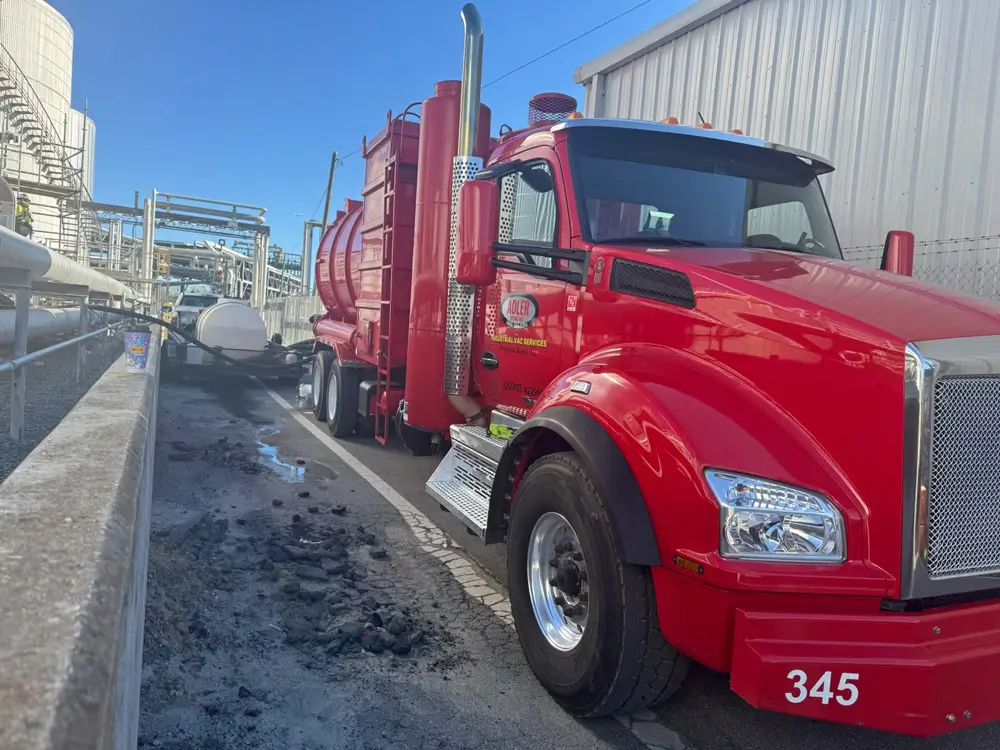
Adler Hydro Vac uses advanced truck-mounted systems equipped with diesel-powered pumps and specialized vacuum technology. These systems allow for simultaneous surface blasting and waste recovery, creating a dust-free operation. With adjustable pressure controls, their equipment can handle a wide variety of surfaces, from delicate masonry to heavy machinery.
For more complex tasks, Adler Hydro Vac employs automated tools like 3D positioners for cleaning vessels, multi-tube lances for heat exchangers, and custom nozzles designed for specific types of fouling.
Automation is a game-changer in this field, enhancing both safety and efficiency. Robotic tools and remote-controlled systems keep technicians at a safe distance from high-pressure streams while improving precision. These technologies can cut workforce needs and project times by over 50% compared to manual methods. Adler Hydro Vac’s systematic approach includes site evaluations, pressure planning, execution by OSHA-certified technicians, and final quality checks to ensure optimal results.
| Cleaning Method | Pressure Range (PSI) | Typical Applications |
|---|---|---|
| Low Pressure Washing | < 1,000 | Delicate surfaces, walls, floors |
| High Pressure Washing | 1,000 – 10,000 | General industrial cleaning, debris removal |
| High Pressure Hydroblasting | 10,000 – 25,000 | Rust, scale, and contaminant removal |
| Ultra-High Pressure (UHP) | > 25,000 | Stripping coatings, paint, and heavy corrosion |
Industrial facilities face a range of contaminants that can accumulate on pipes, tanks, machinery, and other surfaces. The usual suspects include dirt, oil, grease, rust, scale, and chemical residues. Each contaminant poses distinct challenges, making it crucial to understand their effects on equipment and infrastructure.
Different contaminants cause specific issues that can compromise both performance and safety in a facility. For instance, mineral scale and deposits in boilers, heat exchangers, and piping systems can reduce heat transfer efficiency, block flow, and accelerate corrosion. This results in higher energy usage and increased maintenance costs. Grease and oil, when found on machinery, can hinder performance, cause excessive wear, and lead to overheating or mechanical breakdowns. On facility floors, these substances create dangerous slip-and-fall risks.
Chemical residues left in reactor vessels or tanks can contaminate products and corrode surfaces, limiting operational capacity. Rust and corrosion weaken steel and metal structures, potentially leading to structural failures if not addressed before applying protective coatings. Similarly, old paint or coatings that are peeling or failing can prevent new protective layers from adhering properly, leaving surfaces exposed to further damage.
The table below outlines the key impacts of these contaminants:
| Contaminant | Primary Equipment Affected | Impact on Performance/Lifespan |
|---|---|---|
| Mineral Scale | Boilers, Heat Exchangers, Pipes | Reduced heat efficiency, blockages, higher energy costs |
| Grease & Oil | Machinery, Plant Floors | Overheating, mechanical wear, safety hazards |
| Rust/Corrosion | Steel Beams, Tanks, Hulls | Structural damage, coating failures |
| Chemical Residue | Reactor Vessels, Piping | Product contamination, accelerated corrosion |
| Old Paint/Coatings | Walls, Machinery | Poor adhesion of new coatings, hidden corrosion risks |
To combat these issues, hydroblasting and power cleaning are often used. These methods rely on the force of water to remove buildup without introducing abrasive materials or harsh chemicals. This water-only cleaning approach effectively eliminates oils, residues, and other contaminants while avoiding the surface damage that can occur with chemical cleaners. Choosing the right cleaning method is a critical step in ensuring the long-term maintenance and safety of any facility.
Hydroblasting is about six times quicker than traditional industrial cleaning methods, which means facilities can resume full operations much faster, cutting down on lost production time. High-pressure water jets efficiently clear blockages and scaling from pipes and tubes, restoring their full functionality. When used on heat exchangers and condensers, hydroblasting improves heat transfer efficiency by removing buildup that could otherwise lead to costly unscheduled shutdowns.
These time-saving benefits also pave the way for better safety standards and environmental compliance.
Hydroblasting’s chemical-free process eliminates the risks tied to toxic fumes and hazardous residues that often come with traditional solvent-based cleaning. This not only helps facilities stay compliant with environmental regulations but also reduces the likelihood of safety violations by removing dangerous deposits.
Another advantage is noise reduction. Operating at around 85 decibels, hydroblasting is much quieter compared to sandblasting, which can reach 115 decibels. This helps protect workers from noise-induced hearing damage. Additionally, modern hydroblasting equipment is equipped with safety features like a “dead man’s switch”, which automatically stops water flow if the operator loses control of the hose. Adler Hydro Vac ensures safety by employing technicians certified in confined space operations and OSHA standards, particularly important in high-risk areas like tanks and vessels.
These safety and environmental improvements also translate into financial savings over time.
Hydroblasting acts as a form of preventative maintenance, removing corrosive materials and contaminants before they can cause serious damage to equipment. This proactive care extends the life of industrial assets and helps avoid the hefty costs of emergency repairs due to neglected maintenance.
The process is resource-efficient, requiring no expensive chemicals or abrasives. By keeping heat exchangers and condensers running at peak thermal efficiency, hydroblasting reduces energy consumption and prevents shutdowns caused by fouling or blockages. With shorter cleaning times, lower labor needs, and a longer lifespan for equipment, hydroblasting offers a practical way to cut maintenance costs while keeping operations running smoothly.
Hydroblasting is an effective way to strip old coatings and adhesives from equipment, floors, and walls without damaging the material underneath. Using ultra-high pressure systems – often exceeding 25,000 psi – this method tackles tough coatings and scales, leaving a clean surface ready for new treatments. It efficiently removes loose rust and corrosion from metal surfaces while preserving materials like concrete, stone, and masonry. Unlike abrasive blasting, hydroblasting doesn’t create dust pollution. This chemical-free method also eliminates embedded dirt, oil stains, and industrial residues that could interfere with the adhesion of new coatings. The result? A clean, smooth foundation for protective treatments and deep-cleaning tasks inside critical equipment.
For internal components like heat exchangers, condensers, and boilers, hydroblasting is indispensable. High-pressure water jets clear away fouling and blockages that compromise thermal efficiency. Standard industry pressures are sufficient to remove scale and residue from piping, restoring optimal performance. Industrial tanks, reactors, and vessels also require regular hydroblasting to combat scale buildup, corrosion, and product residues from daily operations. High-volume systems – capable of delivering up to 1,200 gallons per minute at 10,000 psi – turn solid waste into pumpable slurry, making disposal easier. Heavy machinery benefits as well, with grease, oil, and other buildup removed to prevent premature wear. Beyond machinery, this cleaning method enhances the safety and efficiency of entire facility spaces.
Hydroblasting isn’t limited to individual equipment – it can also clean entire facilities, ensuring long-term asset health. Adler Hydro Vac specializes in facility-wide cleaning, reaching areas that standard equipment often misses. Their services tackle concrete floors, walls, loading docks, and industrial pavements, removing oil stains, chemical residues, and grime. Certified for confined space operations and compliant with OSHA standards, Adler’s technicians are equipped to clean the interiors of tanks, vessels, and other hazardous environments. Containment areas and industrial pavements also benefit from restoration efforts that enhance safety and maintain appearance. With pressure options ranging from under 1,000 psi for general cleaning to 40,000 psi for the most stubborn deposits, hydroblasting can be tailored to meet any cleaning challenge.
Regular cleaning does more than just enhance efficiency and safety – it also helps maintain your facility’s structural and operational integrity over the long haul.
Routine methods like hydroblasting and power cleaning are vital for protecting equipment and infrastructure. By removing corrosive materials, rust, and scale, these processes help prevent permanent damage to your assets. They also restore the thermal and mechanical efficiency of heat exchangers, pipes, and other process equipment, reducing the risk of fouling-related shutdowns. This proactive maintenance approach ensures your facility operates at its best while avoiding costly breakdowns.
Scheduled cleanings also save time and money by reducing downtime, avoiding non-compliance penalties, and preventing the need for emergency repairs. Additionally, by eliminating hazardous residues, regular cleaning contributes to a safer working environment – all while keeping disruptions to a minimum.
The frequency of cleaning depends on how heavily your facility is used and the rate at which contaminants accumulate. High-use facilities with heavy machinery often require more frequent deep cleanings to remove dirt, grease, and other performance-inhibiting substances. Heat transfer equipment, such as condensers and heat exchangers, needs consistent attention to prevent fouling, which can lead to efficiency losses and unexpected shutdowns.
Performance monitoring is key: a noticeable drop in heat transfer efficiency or a spike in energy consumption typically indicates it’s time for cleaning. High-traffic areas, like loading docks and process piping, generally benefit from quarterly cleanings. Meanwhile, less active zones may only require semi-annual or annual maintenance. Moving from reactive “emergency cleans” to a preventive maintenance schedule ensures that your operations remain efficient and cost-effective without interruptions.
Adler Hydro Vac takes a tailored approach to proactive maintenance, creating custom plans that align with your facility’s unique requirements. Their process starts with a thorough site evaluation to pinpoint problem areas and determine specific cleaning needs. They consider factors such as surface materials, contaminant types (like grease, rust, or scale), and cleaning methods to ensure optimal results for every part of your facility.
These customized plans focus on critical components – such as pumps, conveyors, tanks, and process equipment – to help restore peak operational efficiency. Cleaning schedules are designed to fit seamlessly into your operational calendar, minimizing disruptions. After each project, Adler provides a detailed inspection report, complete with data-driven recommendations for future maintenance needs. With their “Never Say No” approach to challenging jobs, Adler ensures that your facility gets the exact care it requires. Their services are available across regions including the Southeast, Texas, Ohio, the Rocky Mountain area, and the Mid-Atlantic/NYC regions.
Industrial hydroblasting and power cleaning play a key role in maintaining your facility’s infrastructure and ensuring it runs at peak performance. By removing contaminants that can damage equipment, these methods not only extend the lifespan of your assets but also restore their thermal and mechanical efficiency. The result? Lower energy consumption and better operational output, which can lead to noticeable financial benefits.
Routine hydroblasting can significantly reduce costs. It helps you avoid expensive emergency repairs, shortens cleaning downtime with its efficiency, and eliminates the need for chemical cleaning agents. This water-based approach delivers exceptional results while avoiding the environmental risks and disposal challenges associated with abrasive or chemical methods.
Safety is another major advantage. Hydroblasting reduces workplace hazards and ensures compliance with environmental and safety regulations. Its chemical-free process aligns with sustainability goals while also safeguarding your employees.
Adler Hydro Vac brings decades of experience to the table when it comes to industrial cleaning solutions. With over 40 years of service across the Southeast, Texas, Ohio, the Rocky Mountain region, and the Mid-Atlantic/NYC areas, they offer tailored cleaning strategies based on thorough site evaluations. Their “Never Say No” philosophy means they’re equipped to tackle even the toughest cleaning challenges.
Reach out to Adler Hydro Vac today for a free quote and ensure your facility stays in top condition.
Hydroblasting is an incredibly efficient way to clean industrial equipment and surfaces. It can tackle a variety of contaminants, including dirt, grease, oil, rust, corrosion, paint or coatings, mineral deposits, concrete residue, and other tough-to-remove debris.
By thoroughly cleaning surfaces, hydroblasting helps restore them to peak condition. This not only prevents equipment from wearing down but also keeps operations running smoothly. It’s a go-to method for handling even the most challenging buildup in industrial environments.
Hydroblasting stands out as a quicker and safer option compared to traditional cleaning methods like low-pressure washing, abrasive blasting, or chemical scrubbing. By harnessing ultra-high-pressure water (ranging from 10,000 to 40,000 psi), it effectively removes tough contaminants such as rust, grease, and coatings in just one pass. This not only speeds up the cleaning process but also reduces equipment downtime, cutting labor hours and operational costs – making it a smart choice for industrial cleaning tasks.
On the safety front, hydroblasting eliminates the need for harsh chemicals and abrasive materials, significantly reducing exposure to toxic fumes and airborne dust. Plus, with the use of automated or remote-controlled systems, workers can avoid direct contact with hazardous areas, lowering the risk of injuries. When compared to more traditional methods, hydroblasting delivers a faster and safer way to keep industrial facilities in top condition.
The timing for hydroblasting varies based on a mix of factors like regulatory demands, how heavily the facility is used, and the materials being handled. For instance, industries such as food processing or chemical manufacturing often require more frequent cleaning to comply with rigorous safety and hygiene standards. On the other hand, environments with minimal dust, like storage warehouses, typically need less frequent maintenance.
Other key factors include audit timelines and potential environmental risks. Facilities that are prone to dust accumulation or corrosion may require more regular cleaning to safeguard equipment and ensure safety. Managers must weigh these needs against the costs and potential downtime of hydroblasting to develop a schedule that keeps operations efficient while helping extend the facility’s lifespan.