Industrial Concrete Maintenance is critical to keeping industrial plants running smoothly. Ignoring maintenance leads to cracks, spalling, and steel corrosion, which worsen over time and drive up repair costs. Here’s why regular upkeep is critical:
Modern methods like hydro excavation and high-pressure cleaning help detect and address hidden issues while keeping operations running smoothly. Regular maintenance isn’t just about saving money – it’s about ensuring safety, efficiency, and long-term reliability.
Skipping regular maintenance on industrial concrete can lead to gradual but serious degradation, impacting both the structure and daily operations. At first, you might notice hairline cracks forming in a spiderweb-like pattern. These cracks often result from soil settling, poor compaction during installation, or cycles of freezing and thawing.
Over time, the damage worsens. The surface can start to spall and scale, and when water seeps into these cracks, it reaches the steel rebar inside. This triggers rust, which expands and pushes the concrete apart. Surface pitting, which begins as small dents, can grow into larger craters under the constant weight of heavy machinery and foot traffic.
If you see uneven or sunken areas, it’s likely the foundation beneath the slab has been weakened by soil erosion or improper installation. Another red flag is efflorescence – a white, chalky substance on the surface. This happens when water moves through the porous concrete, carrying dissolved salts to the surface. These issues not only compromise the concrete’s strength but also create immediate safety risks.
Damaged concrete isn’t just an eyesore – it’s a real hazard for workers and equipment. Uneven or sunken slabs, along with surface pitting, increase the risk of trips and falls. For forklifts and heavy machinery, unstable flooring can lead to accidents or equipment damage.
In severe cases, repairs might involve grinding or cutting the damaged concrete. This can release hazardous crystalline silica dust, sometimes at levels 50 times higher than OSHA‘s permissible exposure limit. As safety concerns grow, productivity takes a hit, and repair costs climb.
Neglecting concrete maintenance often leads to a cycle of escalating repair costs.
This cycle typically starts when maintenance is delayed until urgent repairs are unavoidable. Quick fixes often fail to resolve underlying issues, leading to repeated problems and mounting expenses. Over time, what could have been a manageable preventive cost turns into a much larger financial burden. After 20 to 30 years, aggressive agents like water and chemicals can fully penetrate the concrete, requiring extensive reconstruction. In some cases, these repairs can exceed the original construction costs and may even force a facility to shut down temporarily.
Concrete joints aren’t just lines etched into the surface – they’re vital components that help concrete structures handle stress. These joints are specifically designed to manage the thermal expansion and contraction of concrete, as well as the structural flexing caused by heavy impacts and equipment loads.
Deteriorating joints create openings that allow moisture and corrosive substances to seep into the structure. Even a small crack can lead to serious issues, such as scaling, further cracking, and spalling. This sets off a chain reaction where repairs often fail because the root causes – structural movement or contamination – aren’t fully addressed.
The situation worsens when moisture reaches the reinforcing steel embedded within the concrete. As the steel rusts, it expands, creating internal pressure that forces the surrounding concrete to crack and break apart. This results in spalling and delamination, where chunks of concrete separate from the surface. These issues can lead to uneven floors that damage sensitive equipment, pose trip hazards for workers, and disrupt daily operations.
Studies show that neglected joints can degrade over a span of 20 to 30 years. By that point, repair costs often surpass the original construction expenses, and temporary shutdowns may be required to address the damage.
This neglect is particularly costly in industrial settings. Joint failures can undermine the stability of floors, jeopardize equipment functionality, endanger worker safety, and throw production schedules into chaos. rete such as its durability, strength, water-tightness, abrasion resistance, volume stability, and resistance to freezing and thawing.
Spotting issues early is the most effective way to keep concrete in good condition and avoid hefty repair bills. Damage often starts with something as small as a crack, which can allow moisture or corrosive substances to seep in and worsen the problem over time. During inspections, focus on visible signs like scaling, cracking, spalling, and delamination – especially in areas prone to chemical spills, high-pressure venting, or physical impacts. Tools like infrared thermography can help detect hidden moisture or structural issues that aren’t immediately visible. Be sure to document all findings in a maintenance log for future reference.
These inspections set the stage for planned maintenance efforts.
Preventive maintenance is far more economical than dealing with emergency repairs. Taking action early – before harmful substances penetrate the concrete – can save both time and money. Applying sealants every 2–3 years helps block moisture and chemicals, while pressure washing removes contaminants like oil, grease, salt, and acidic residues. If a spill happens, quickly use baking soda or kitty litter to absorb it and prevent it from soaking into the concrete. Skip harsh acids and opt for eco-friendly cleaners or degreasers instead. Proper drainage is also key – maintain sloped floors and repair cracks promptly to avoid standing water, which can lead to mold or freeze-thaw damage.
Investing in preventive measures can significantly lower costs compared to frequent repairs or replacing entire sections:
| Maintenance Phase | Description | Cost Impact |
|---|---|---|
| Preventive | Use of protective coatings and sealants to slow deterioration | Fixed annual cost; lowest long-term expense |
| Repair | Fixing active damage like cracks and spalling after substances have penetrated | Costs grow dramatically over time |
| Replacement | Total replacement when damage is too severe for repairs | Highest cost; includes downtime for operations |
Alongside regular inspections and scheduled maintenance, keeping detailed records is essential for managing concrete health over time. Digital tools and mobile apps make it easier for crews to log inspection results and track completed tasks. Daily audits ensure that maintenance schedules are being followed. Adjust maintenance intervals based on factors like temperature, weather conditions, and the stress placed on the concrete. When choosing repair materials, consider the facility’s specific load demands and environmental conditions. Hydro Excavation and Industrial Cleaning Methods
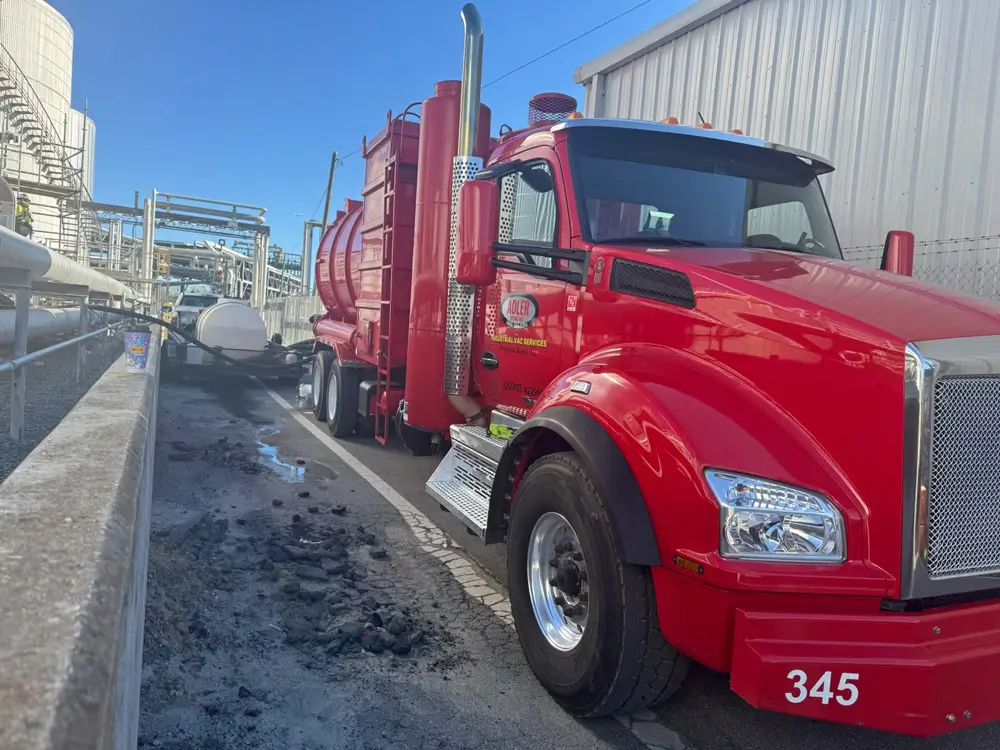
Hydro excavation combines pressurized water and a vacuum system to safely remove soil and debris around concrete structures. Unlike traditional mechanical tools, this method avoids physical impacts that could cause chipping, cracking, or weakening of the concrete. Industrial hydrovac units operate with high-pressure water and powerful vacuum systems, making debris removal both precise and efficient.
This technique is especially useful in industrial settings. Operators can fine-tune water pressure and flow to clear areas around foundations and utilities while maintaining the integrity of the surrounding soil, which helps reduce the risk of subsidence. Additionally, flexible hoses allow access to tight or hard-to-reach spaces that heavy machinery cannot navigate.
One standout benefit of hydro excavation is daylighting, which exposes buried concrete footings. This process makes it easier to detect early signs of degradation before issues escalate. In colder climates, hydrovac trucks equipped with water heaters can thaw frozen ground and remove debris without relying on heavy-impact mechanical tools, further protecting the structure.
This precision-based approach aligns well with regular inspections, helping to uncover hidden structural problems early.
High-pressure cleaning is another critical tool for maintaining concrete surfaces, particularly when dealing with contaminants that can accelerate wear. Industrial facilities often face challenges like slag, ash, chemical residues, oils, and acidic substances that penetrate concrete pores, leading to scaling, spalling, or other types of surface damage. For example, online hydro-blasting can remove slag buildup from boilers and hoppers while the equipment remains operational, minimizing costly downtime.
This cleaning method is highly effective at clearing corrosive residues before they can damage protective coatings, helping to extend the life of concrete surfaces.
Incorporating hydro excavation and high-pressure cleaning into your maintenance routine can significantly improve the durability of concrete structures. Hydro excavation is ideal for periodic assessments of buried structures, allowing for the early detection of potential damage. Meanwhile, scheduling deep surface cleanings every 3–6 months can help remove stubborn contaminants that might otherwise compromise protective coatings or sealants.
Together, these methods form an essential part of a proactive maintenance strategy, ensuring long-term structural integrity.
Taking care of concrete regularly isn’t just about keeping it looking good – it brings real, measurable advantages.
Routine maintenance can significantly extend the lifespan of concrete structures while keeping expenses in check. By addressing small issues early, like sealing cracks or applying protective coatings, you can prevent them from turning into major problems. This proactive approach helps halt the corrosion of embedded steel and delays deterioration, which might otherwise take decades to become severe. Once damage accelerates, repair costs can skyrocket as harmful agents penetrate deeper into the concrete. In fact, repair expenses often far exceed what it would have cost to maintain the structure in the first place. Preventive care, such as annual maintenance plans, ensures small fixes now can save you from costly repairs – or even full replacements – down the line.
Keeping up with concrete maintenance isn’t just about saving money; it’s also about keeping people safe and meeting regulatory standards. Hidden damage, like internal steel corrosion, can lead to cracking, spalling, or delamination – issues that might go unnoticed until they cause a sudden failure. Such failures can pose serious risks to workers and the public. Regular inspections and early interventions can catch these problems before they escalate. Protective coatings, for instance, can help keep moisture and chemicals out, reducing the risk of structural damage and ensuring compliance with safety regulations.
Staying on top of maintenance can also prevent the headaches that come with unexpected disruptions. Emergency repairs or full-scale replacements often require shutting down operations, which can be especially costly in industrial environments where continuous production is key. By planning maintenance in advance and using modern techniques like hydro excavation or high-pressure cleaning, facilities can keep things running smoothly while addressing structural needs. This approach not only reduces downtime but also minimizes waste, as fewer materials are discarded during well-timed repairs. In the long run, proactive maintenance ensures the structure remains functional and efficient, extending its service life and reducing unnecessary interruptions.
Taking care of concrete in industrial facilities isn’t just a chore – it’s a key investment in safety, operational efficiency, and controlling long-term costs. Ignoring maintenance can turn small cracks and joint issues into major structural problems, leading to repairs that can cost up to 30 times more than addressing the issues early on.
By committing to regular maintenance, you can double the lifespan of your concrete structures. Add protective coatings into the mix, and you could extend that lifespan even further – potentially doubling or tripling surface durability. Considering that maintenance expenses typically account for 15% to 25% of total manufacturing costs, the financial upside is hard to ignore. Beyond just protecting your concrete, you’re also safeguarding your operation from the staggering $50 billion in annual downtime losses that factories worldwide endure.
Modern maintenance methods amplify these benefits. Techniques like hydro excavation and high-pressure cleaning have revolutionized concrete care. They enable facilities to clear debris, safely expose underground systems, and clean surfaces without causing damage – all while keeping operations running smoothly. When these methods are part of a well-structured maintenance plan that includes regular inspections and tracking, you can stay ahead of problems, avoiding the steep costs that come with reactive repairs.
Concrete in industrial plants often sends out warning signs when it’s time for maintenance. Watch for cracks, spalling, or scaling – these are common results of heavy machinery or frequent traffic, especially around joints or high-stress zones. Moisture damage is another red flag. Water stains, damp patches, or efflorescence (those white, powdery salt deposits) might point to water intrusion, which can lead to freezing damage or even rebar corrosion. If the concrete has been exposed to chemicals like oils, acids, or solvents, you might notice discoloration, soft or weakened areas, or rust stains. In colder regions, repeated freeze-thaw cycles can cause flaking or popping, while joint and seal failures let debris and chemicals seep in, speeding up deterioration.
Tackling these problems early is key. Techniques like hydro-excavation, crack sealing, or applying protective coatings can help stop the damage from spreading. These repairs not only improve safety but also boost the longevity of your facility.
Keeping concrete in top shape is key to maintaining a safe and efficient work environment in industrial settings. When issues like cracks, spalling, or corrosion are addressed early, concrete surfaces retain their strength and stability, reducing the risk of structural failures that could endanger workers or damage equipment. On top of that, well-maintained concrete floors remain level and free from debris, which helps prevent slips, trips, and falls – some of the most frequent workplace accidents.
Ignoring concrete maintenance can also lead to health concerns. As concrete deteriorates, it may release particles that can irritate the skin, eyes, or respiratory system. Routine upkeep ensures concrete surfaces stay sealed and intact, cutting down on exposure to these potential hazards and promoting a healthier workspace. Plus, staying ahead of repairs means they can be handled during planned downtime, avoiding the risks that come with emergency fixes in unpredictable conditions.
Hydro excavation and high-pressure cleaning provide a precise and non-destructive approach to maintaining concrete in industrial settings. Hydro excavation works by using pressurized water to break apart soil or debris around concrete surfaces, while a vacuum system removes the loosened material. This method ensures the concrete and nearby utilities remain unharmed, helping to avoid costly repairs, minimize surface restoration efforts, and cut down on labor costs by completing tasks efficiently and safely.
Meanwhile, high-pressure cleaning tackles tough grime, oils, salts, and chemicals that can weaken concrete over time. By removing these contaminants, it restores the surface’s slip resistance and helps prevent issues like corrosion or wear – all without causing damage to the concrete itself. Together, these techniques not only extend the life of concrete but also improve safety and support industrial facilities in maintaining operational efficiency while meeting safety standards.