Industrial plants face constant challenges with keeping surfaces like concrete floors and loading docks clean and safe. Contaminants such as oil spills, chemical residues, and grime can lead to safety hazards, equipment damage, and operational delays. Here’s a quick breakdown of how Concrete Cleaning for Industrial Plants can help:
Key cleaning methods include:
Preventive maintenance, such as creating cleaning schedules and using surface sealers, helps avoid recurring issues. Adhering to waste management and regulatory guidelines is also critical for smooth operations and avoiding fines. Regular cleaning not only safeguards workers but also supports long-term operational success.
Keeping industrial facilities clean isn’t just about appearances – it’s about maintaining safety, efficiency, and equipment longevity. Concrete floors, loading docks, and other industrial surfaces face heavy contamination that demands specialized cleaning techniques. The three main methods – high-pressure water cleaning, industrial vacuum systems, and chemical cleaning agents – work together to handle the unique challenges of industrial cleaning.
High-pressure water cleaning, often called hydro-pressure water blasting, uses powerful water jets to tackle tough residues while preserving the surface underneath. With pressure settings ranging from 5,000 psi to 40,000 psi, this method can be adjusted to match the level of buildup being removed. It’s a go-to solution for clearing out hardened grime quickly, helping facilities resume operations with minimal downtime. Beyond immediate cleaning, regular use of water jetting can prevent corrosive deposits, extending the life of equipment and surfaces alike.
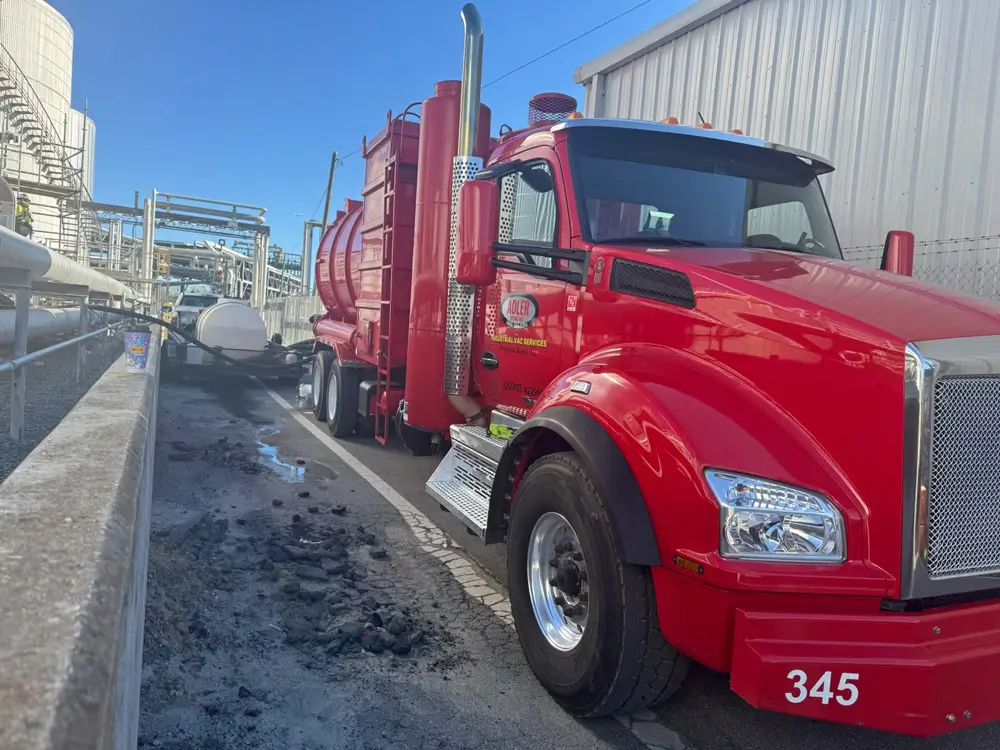
When it comes to removing heavy debris, dust, or waste, industrial vacuum systems step in as a dry alternative to water-based cleaning. These truck-mounted systems deliver powerful suction, efficiently collecting both wet and dry materials. Their large capacity – capable of holding up to six times more material than standard vacuums – makes them perfect for large-scale cleanups. These systems have proven their worth in high-stakes operations, such as Adler Hydro Vac’s work at Ground Zero and Yankee Stadium. Thanks to their mobility, they can be quickly deployed across expansive facilities, cutting down cleanup times significantly.
For contaminants that water and suction alone can’t handle, chemical cleaning agents provide a targeted solution. These industrial-grade cleaners are available in three primary types:
Chemical agents are often used in combination with high-pressure water systems. The chemicals break down contaminants, while water jets wash them away entirely, ensuring a deep clean. Professional cleaning services play a key role here, selecting the right agents and applying them properly to maintain both effectiveness and regulatory compliance.
Industrial concrete surfaces face constant wear and tear from heavy equipment, chemical spills, and exposure to the elements. Identifying and addressing common cleaning challenges is crucial for maintaining safety and ensuring smooth operations.
Oil and grease seep into the tiny pores of concrete, creating slippery surfaces that are tough to clean with basic methods. Once these substances penetrate, they resist simple mopping or scrubbing efforts.
To tackle these stains, alkaline cleaning agents can emulsify the oils, making it easier to wash them away with high-pressure, hot water jetting. The heat from hot water is particularly effective, as it speeds up the breakdown of deeply embedded oil. Cold water may work for surface-level stains, but it’s less effective for deeper contamination.
Prevention plays a key role in managing oil and grease issues. Using absorbent mats under machinery and equipment can catch drips before they hit the floor. Regularly inspecting hydraulic systems and vehicles for leaks can also help minimize contamination.
Forklifts, pallet jacks, and heavy trucks often leave rubber marks that build up over time. These marks not only look unsightly but also indicate areas of high friction, which can wear down the concrete faster. The heat and pressure from machinery cause rubber compounds to bond tightly to the surface, making them resistant to regular cleaning methods.
A degreaser can soften the rubber, while rotary scrubbers and high-pressure water systems help lift the marks. Heavy machinery also leaves behind other residues, like metal particles, hydraulic fluids, and dirt, which can embed into the concrete. Loose debris can be managed with industrial vacuum systems, while chemical treatments work on more stubborn contaminants. For facilities with high traffic, scheduling regular cleanings prevents buildup from becoming a permanent problem.
Efflorescence appears as white, chalky deposits on concrete surfaces, caused by salts migrating to the surface as moisture evaporates. These deposits not only signal moisture problems but can also weaken the concrete structure if left unchecked.
Mild acid solutions, like diluted phosphoric acid, can dissolve light mineral deposits. For more severe buildup, stronger acids may be necessary. After treatment, rinsing thoroughly with high-pressure water is essential to remove both the dissolved salts and any leftover cleaning agents. Skipping this step can leave behind residues that attract dirt or lead to faster recurrence of deposits.
Preventing efflorescence hinges on controlling moisture. Fixing drainage problems, sealing cracks, and applying breathable sealers can help protect the concrete. Facilities in humid areas or those experiencing frequent temperature changes might require more aggressive measures. Similarly, hard water deposits, caused by calcium and magnesium buildup, can leave rough and discolored patches that interfere with coatings and sealers. These deposits often need a mix of mechanical removal, acidic treatments, and water softening systems to reduce future buildup.
Next, we’ll dive into maintenance techniques to help prevent these issues from recurring.
Keeping industrial concrete surfaces in good condition is critical for maintaining safety and ensuring smooth operations. Preventive maintenance not only protects these surfaces from recurring contamination but also helps avoid costly repairs down the line.
A well-planned cleaning schedule is key to preserving concrete surfaces. Regular upkeep prevents contaminants from embedding into the material, which can lead to long-term damage. Here’s how you can structure your cleaning routine:
Keeping detailed records of all cleaning activities is equally important. Document what was cleaned, when, and the methods used. These records can help identify recurring issues, such as equipment leaks or improper drainage, allowing you to address them proactively.
Protective treatments like sealers act as a shield for concrete surfaces, simplifying future cleaning and extending their lifespan. There are two main types of sealers to consider:
Choosing the right sealer depends on your facility’s needs. For instance, a robust topical coating might be better for high-traffic areas, while a penetrating sealer works well in spaces exposed to harsh chemicals.
Before applying any sealer, ensure the concrete has fully cured – this typically takes at least 28 days. The surface must also be clean and dry. Preparing the surface through methods like grinding or shot blasting can improve the sealer’s effectiveness by opening up the concrete’s pores. Additionally, using densifiers can enhance abrasion resistance, offering another layer of protection.
Adhering to environmental regulations is a critical part of maintaining industrial facilities. The Environmental Protection Agency (EPA) enforces standards for waste handling, wastewater discharge, hazardous waste management, and air quality. Compliance not only avoids penalties but also promotes sustainable practices.
To align with these regulations, consider the following:
Effective stormwater management is another essential aspect. Under the Clean Water Act, facilities that discharge stormwater containing industrial pollutants must secure the appropriate permits. Regular cleaning helps reduce pollutant buildup, but you’ll also need containment systems and treatment protocols to handle runoff safely.
Maintaining detailed records of waste manifests, permits, and inspections is crucial for staying compliant. Additionally, training employees on proper waste handling and spill response procedures can significantly reduce the risk of violations. Working with industrial cleaning service providers familiar with regulatory requirements can further simplify compliance while ensuring your operations meet environmental standards.
Keeping industrial surfaces clean is essential for maintaining safety, ensuring smooth operations, and meeting regulatory standards. This guide explored how methods like high-pressure water cleaning and industrial vacuum systems effectively tackle contaminants ranging from oil stains to mineral deposits. By addressing these issues, businesses can protect workers, extend equipment life, and avoid unnecessary risks.
Regular maintenance plays a critical role in preventing problems before they escalate. Tackling tough contaminants requires not only the right tools but also a proactive mindset. Postponing cleaning can lead to higher costs and extended downtime, while a well-planned cleaning schedule minimizes buildup and helps operations run efficiently.
Using penetrating and topical sealers can further safeguard surfaces and cut down on future cleaning efforts. Additionally, adhering to EPA regulations for waste disposal, wastewater discharge, and stormwater management is crucial. Failure to comply can result in hefty fines and operational setbacks, making regulatory compliance as important as the cleaning process itself.
Industrial facilities in the United States are required to follow strict regulations to ensure their cleaning practices are safe and environmentally responsible. Two key laws to keep in mind are the Clean Water Act (CWA), which controls the discharge of pollutants into water bodies, and the Resource Conservation and Recovery Act (RCRA), which oversees the proper management and disposal of hazardous waste.
Beyond these, plants must also ensure their cleaning activities don’t contaminate the air, soil, or nearby water sources. This involves adhering to standards set by the Environmental Protection Agency (EPA). Opting for eco-conscious cleaning methods like high-pressure water systems and effective waste vacuuming not only helps facilities stay compliant but also minimizes environmental impact.
High-pressure water cleaning paired with industrial vacuum systems makes an effective duo for keeping concrete surfaces in industrial plants in top condition. The high-pressure water cleaning method tackles stubborn contaminants like grease, oil, and debris, delivering a deep clean without harming the surface.
Industrial vacuum systems step in to handle the aftermath by quickly collecting and removing the loosened waste and water. This prevents messes from spreading or pooling, keeping the area tidy. Together, these techniques not only enhance workplace safety and preserve the facility’s condition but also ensure proper waste handling, supporting compliance with environmental regulations.
To keep surfaces in good condition and extend their lifespan, industrial facilities can adopt regular preventive maintenance routines. This might involve using high-pressure water systems to tackle tough contaminants like grease, oil, and chemical residues. Routine inspections are also key, as they can catch damage or buildup early, helping to avoid more serious deterioration over time.
Another practical step is applying protective coatings or sealants to surfaces like concrete. These not only reduce wear but also make cleaning quicker and easier down the line. Clear protocols for handling spills and debris, paired with proper staff training on maintenance methods, can further improve surface durability while maintaining a safer and more compliant workplace.