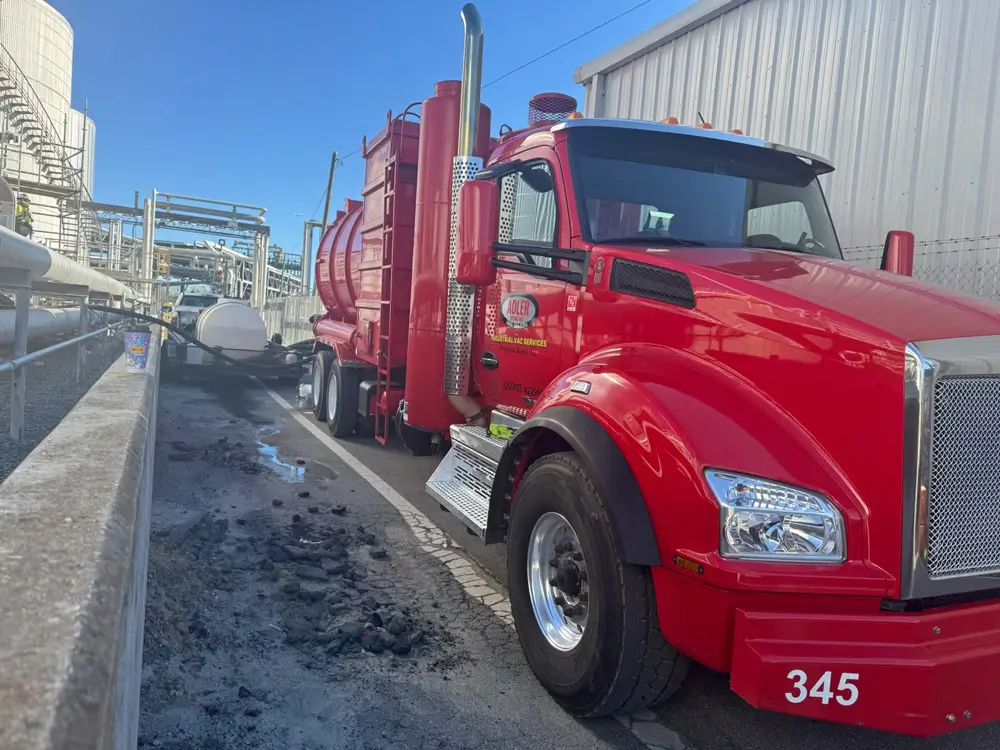
Hydro vac systems outperform traditional excavation methods by offering precision, reduced downtime, and safer processes for workers and infrastructure.
Hydro vac systems rely on several key components to efficiently break down, extract, and contain waste. Each part plays an essential role, from loosening compacted materials to safely storing the extracted debris.
Trommel and dewatering screens work together to separate recyclables from waste while reducing moisture content. Trommel screens, with their rotating cylindrical design, sort materials by size as they pass through perforated openings. This setup not only identifies recyclable items quickly but also reduces the volume of waste requiring disposal. Recovered water is filtered and recycled back into the high-pressure system, improving water efficiency.
Thickener systems enhance liquid-solid separation for applications needing higher water recovery. By combining gravity settling with polymer additives, these systems concentrate solids in the underflow while producing clarified water. This water can either be reused in the excavation process or discharged according to local regulations, making it especially useful for materials requiring extra treatment.
Decanter centrifuges are designed to recover solids and produce a drier material for disposal. They excel in managing fine particles, clay-like materials, or other waste streams where maximum water recovery is critical. These centrifuges ensure efficient separation, reducing the environmental footprint of the operation.
The hydro vac process is a structured method designed to safely and efficiently manage waste and debris. Each step builds on the last, ensuring safety and compliance with regulations throughout the operation.
The process begins with site preparation, where the area is assessed to identify underground utilities, evaluate soil conditions, and establish safety perimeters. The hydro excavation vac truck is positioned for optimal access, and safety equipment is checked to ensure everything is ready for operation.
Next is soil breakdown, where high-pressure water jets are used to loosen compacted soil and debris. This step is gentle enough to avoid damaging surrounding infrastructure, making it ideal for sensitive areas.
Following this is slurry extraction. Using a powerful industrial vacuum system, the water-soil mixture is suctioned through a hose and stored in the truck’s debris tank.
Once the material is collected, material separation takes place. As debris enters the tank, multi-stage filtration systems separate recyclable materials from waste. These advanced screening technologies work continuously to streamline the process.
The final stage involves transporting recyclable materials to appropriate facilities and disposing of non-recyclable waste at authorized sites. Water recovered during the process is filtered and reused for future excavation tasks, reducing water consumption and minimizing waste.
This systematic approach sets hydro vac operations apart from traditional excavation methods, offering a safer and more efficient solution.
When comparing hydro vac systems to standard excavation methods, the differences are clear. Here’s a breakdown of key factors:
| Feature | Hydro Vac Systems | Standard Excavation Methods |
|---|---|---|
| Safety | Remote operation minimizes human exposure to risks | Often requires workers to perform hazardous manual labor |
| Precision | Precise excavation | Higher risk of damaging underground utilities due to less control |
| Cost-effectiveness | Faster turnaround, reduced downtime, and extended equipment lifespan | Prone to delays and increased wear on equipment |
| Environmental Impact | Promotes waste recycling, water reuse, and less site disruption | Typically leaves a larger environmental footprint |
Hydro vac systems eliminate many of the risks associated with confined spaces and manual labor in traditional excavation. They also greatly reduce the chance of damaging underground utilities, which can lead to costly repairs and delays. By using a controlled, non-destructive approach, hydro vac systems provide a safer and more reliable alternative.
Environmental responsibility is another key advantage. Hydro vac systems incorporate water recycling and effective material separation, helping to reduce waste and limit site disruption. These practices align with the growing importance of sustainability in industrial operations.
In the United States, waste disposal is governed by stringent regulations that require proper classification, detailed documentation, and safe handling of waste materials. Adler Hydro Vac ensures full compliance with these federal guidelines across all its operations. Through their Environmental Compliance Services, the company manages both hazardous and non-hazardous industrial waste in line with federal standards. This unwavering commitment to compliance shapes their approach to comprehensive waste management.
Adler Hydro Vac takes a proactive approach to waste management by incorporating environmentally conscious practices into their operations. Their services include hazardous waste removal, environmental cleanup, on-site management, remediation, and wastewater treatment. By embedding these practices into their workflow, the company not only adheres to regulatory standards but also contributes to environmental protection efforts.
Hydro vac operations require strict safety measures to protect both workers and job sites. This starts with the proper use of personal protective equipment (PPE), including hard hats, safety glasses, high-visibility vests, steel-toed boots, and hearing protection. In environments with airborne contaminants or hazardous materials, additional respiratory protection may also be necessary.
Before any operation begins, site hazard assessments are mandatory. These evaluations identify potential risks such as underground utilities, unstable soil, traffic hazards, and other concerns. Factors like soil composition, weather, and the proximity of structures or hazardous materials are carefully considered to ensure a safe work environment.
A key step in ensuring safety is utility locating. Operators are required to contact 811 – the national “Call Before You Dig” service – at least 48 to 72 hours in advance to have underground utilities clearly marked. To further reduce risks, tools like ground-penetrating radar or electromagnetic locating equipment are often used for additional verification.
For equipment safety, operators follow strict guidelines, including pre-operation inspections, proper startup and shutdown procedures, monitoring hose placement and pressure levels, maintaining safe distances, and ensuring correct grounding. When the job involves confined spaces, specialized protocols are in place, such as atmospheric testing, continuous air monitoring, rescue equipment readiness, entry permits, and pre-entry briefings.
These comprehensive safety practices not only protect workers but also reflect Adler Hydro Vac’s dedication to maintaining high safety standards.
Adler Hydro Vac is steadfast in its dedication to safety, setting benchmarks that prioritize worker well-being and operational reliability.
“Commitment to high safety standards and regulatory compliance in all operations.” – Adler Hydro Vac
The company invests heavily in advanced training programs to ensure every team member is well-versed in the latest safety protocols and equipment technologies. This focus on training reduces risks while improving overall efficiency. For high-risk tasks, such as confined space cleaning, Adler Hydro Vac employs high-pressure water blasting technology. This non-invasive method eliminates the need for manual entry into hazardous areas, significantly improving worker safety.
“Enhanced Safety, No Compromises: Conventional cleaning methods often involve dangerous manual labor in confined or high-risk environments.
offers a significantly safer alternative, placing worker safety and operational integrity at the forefront.” – Adler Hydro Vac
Hydro vac systems stand out as a precise and safe solution for industrial waste and debris management, offering an efficient approach that balances performance, safety, and environmental care.
The efficiency of hydro vac technology lies in its non-destructive excavation process. By minimizing risks like utility strikes and costly repairs, it shortens project timelines and keeps budgets on track. This approach not only prevents delays but also ensures a smoother workflow.
“Our fleet of 22 vacuum trucks, with trucks holding 6 times more than the industry standard, can scale up to any job size, both wet and dry. Our team is properly trained and certified to complete any task with minimum risks and maximum efficiency.” – Adler Hydro Vac
Using advanced water jet technology, hydro vac systems deliver a deeper clean compared to traditional methods. They effectively break down and remove stubborn residues while preserving the structural integrity of tanks, silos, and other industrial equipment.
From an environmental perspective, hydro vac systems align with modern sustainability goals. Their eco-friendly practices minimize ground disruption and support broader environmental initiatives.
“Eco-friendly practices and initiatives demonstrating commitment to environmental sustainability.” – Adler Hydro Vac
Another key advantage is scalability. Hydro vac systems can handle projects of all sizes and complexities, efficiently managing both wet and dry materials. Large-capacity vacuum trucks reduce the number of cycles required, improving efficiency and cutting labor costs.
Safety is another area where hydro vac systems excel. By eliminating the need for manual labor in hazardous environments, they create safer workplaces, lowering liability risks and insurance expenses. These safety measures, combined with their operational benefits, make hydro vac systems a smart choice for industries focused on performance and employee well-being.
Hydro vac systems ensure compliance with environmental standards by utilizing advanced vacuum technology to safely extract waste and debris while causing minimal disturbance to the surrounding area. These systems are built to adhere to strict disposal guidelines, ensuring all materials are properly transported to authorized facilities.
To safeguard the environment further, hydro vac systems include containment and filtration features that help prevent leaks, spills, or contamination during use. This meticulous process not only satisfies regulatory requirements but also promotes responsible and sustainable industrial practices.
Worker safety is always a top concern when using hydro vac systems. To keep operations safe, operators undergo thorough training that covers equipment handling, recognizing hazards, and following safety procedures. Alongside this, workers wear essential personal protective equipment (PPE) like gloves, helmets, and high-visibility clothing to reduce the chance of accidents.
On top of training and PPE, routine equipment checks are carried out to make sure all systems are in proper working order. Adhering to safety and environmental regulations is non-negotiable, and clear emergency response plans are in place to handle situations such as spills or equipment failures. Together, these measures ensure a safer and more secure work environment.
Hydro vac systems streamline excavation by combining high-pressure water with a strong vacuum to achieve precise, non-destructive digging. This approach significantly lowers the chances of hitting underground utilities like gas lines or cables while ensuring efficient and clean removal of debris.
Compared to traditional digging methods, hydro vac systems offer speed, safety, and a reduced environmental footprint. They cause less disruption to the surrounding area, manage waste disposal more efficiently, and adhere to strict environmental regulations, making them a smart choice for industrial projects.