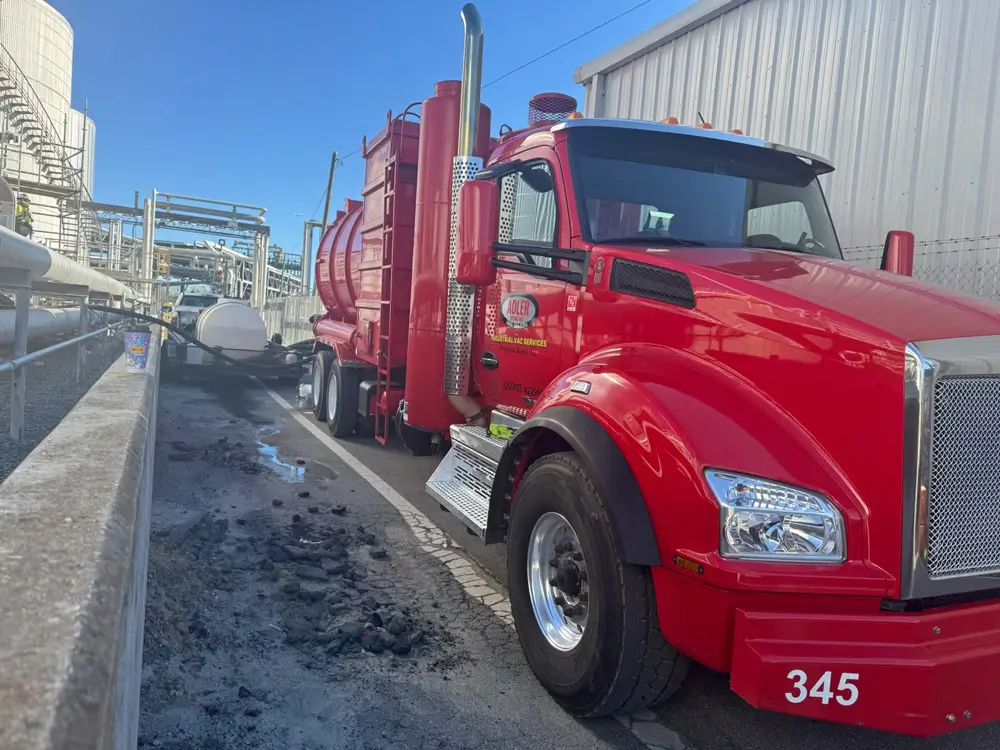
Hydro excavation is a modern digging method that uses pressurized water and a vacuum to remove soil with precision. It’s transforming urban redevelopment by offering a safer, more efficient way to navigate dense underground utility networks, reduce risks, and protect infrastructure. This method is especially helpful in cities where aging utilities and limited space make traditional excavation methods risky and disruptive.
Key Takeaways:
Hydro excavation is ideal for tasks like utility mapping, foundation preparation, and brownfield site cleanup, helping cities modernize while avoiding unnecessary disruptions.
Urban redevelopment projects come with their fair share of challenges, especially when it comes to excavation. The dense infrastructure of modern cities demands methods that are not only efficient but also highly precise. Hydro excavation stands out as a top choice for contractors, offering solutions tailored to the complexities of urban environments.
In crowded city settings, precision is non-negotiable. Beneath the surface lie decades-old gas lines, water mains, electrical cables, and telecommunications systems, all intricately packed together. Hydro excavation uses advanced techniques like potholing and daylighting to safely expose underground utilities while ensuring controlled, accurate digging in tight or sensitive spaces.
Adler Hydro Vac‘s services, which include underground asset exposure and utility mapping, are instrumental in identifying existing utilities before excavation begins. Their slot and custom trenching options make navigating complex underground networks safer and more efficient. This level of precision not only protects infrastructure but also enhances safety for everyone involved.
Safety is always a top priority, especially in urban projects where confined spaces, hazardous materials, and the risk of utility strikes are constant concerns. Hydro excavation’s non-destructive approach significantly reduces these risks. By using pressurized water and vacuum systems, operators can work at a safe distance while maintaining full control of the process.
This method also minimizes the chances of damaging critical infrastructure. For instance, Adler Hydro Vac showcased in October 2025 how their sewer maintenance services protect groundwater through safe waste management during excavation.
Hydro excavation teams adhere to rigorous safety protocols, with certified professionals undergoing continuous training to meet industry standards. This commitment to safety not only protects workers but also ensures compliance with regulations, reducing the likelihood of accidents and disruptions to the community.
Beyond precision and safety, hydro excavation helps keep urban projects on good terms with the surrounding community. Traditional excavation methods can be disruptive, often damaging landscaping, roads, or nearby structures. Hydro excavation, on the other hand, uses pressurized water and vacuum systems to remove only the necessary material, leaving the surrounding environment largely intact and minimizing the need for extensive restoration work.
Its ability to perform soft dig vacuum excavation in confined spaces makes it especially suited for urban redevelopment. Contractors can complete tasks efficiently, with minimal setup and cleanup, reducing the overall impact on the area.
Here’s a quick look at how hydro excavation stacks up against traditional methods:
| Feature | Hydro Excavation | Traditional Excavation Methods |
|---|---|---|
| Impact on Infrastructure | Minimal to non-destructive; preserves utilities and surfaces | High risk of damaging underground utilities and nearby assets |
| Precision | High; targeted digging with controlled water pressure | Lower; greater risk of collateral damage |
| Soil Disruption | Minimal; soil is liquefied and vacuumed | Significant; large amounts of soil displaced, often requiring backfill |
| Safety | Enhanced worker and public safety; fewer utility strikes | Greater risk of accidents and utility damage |
| Restoration Needs | Minimal; landscaping and surfaces mostly preserved | Extensive; often requires significant repairs |
| Method | Uses pressurized water and vacuum systems | Relies on mechanical digging (e.g., backhoes, excavators) |
This comparison highlights why hydro excavation has become the go-to method for urban projects. Its ability to deliver precision, improve safety, and minimize disruption makes it an invaluable tool for contractors working in today’s intricate cityscapes.
Brownfield sites, often burdened with decades of contamination, present unique challenges for redevelopment. Hydro excavation offers an effective solution, addressing both the cleanup of hazardous materials and the preparation of these sites for new uses. From removing contaminants to restoring the land, hydro excavation has become an essential tool in revitalizing urban areas.
Cleaning up brownfield sites requires methods that can safely handle hazardous materials without further spreading contamination. Hydro excavation meets this need with precision and minimal environmental disruption, making it particularly suited for sensitive urban areas.
Using pressurized water, hydro excavation breaks down contaminated soil and immediately vacuums it into sealed containers. This process prevents the spread of pollutants while allowing for quick and safe removal. Whether it’s industrial sludge, oil spills, or hazardous waste, hydro excavation ensures contaminants are safely extracted without cross-contaminating surrounding areas. The vacuum system captures both solid waste and contaminated water, providing a thorough cleanup solution.
Adler Hydro Vac specializes in managing contaminated materials, including soil and groundwater remediation, hazardous site restoration, and industrial decontamination. Their approach focuses on precision, removing only the polluted portions of the site while leaving clean soil untouched.
Beyond removing contaminants, hydro excavation plays a key role in ensuring regulatory compliance and facilitating site restoration. Environmental regulations require detailed documentation and adherence to strict safety protocols, both of which hydro excavation supports through controlled and compliant extraction methods.
Each removal operation can be meticulously documented, noting the type of material removed and its exact location. This level of detail is essential for regulatory approvals and long-term monitoring.
“Hydro vac sewer maintenance protects groundwater by minimizing soil disruption and ensuring safe waste management during excavation.” – Adler Hydro Vac
Additionally, hydro excavation helps manage air quality, control sediment, restore waterways, and prevent erosion during urban remediation projects. Its rapid response capabilities are particularly useful when unexpected contamination is encountered, allowing teams to quickly address hazards without delaying project timelines.
After contaminants are removed, brownfield sites are often transformed into valuable community spaces, such as parks or gardens. Hydro excavation plays a crucial role in this process, enabling precise utility installation and infrastructure development needed for these new uses.
By facilitating targeted material removal and site preparation, hydro excavation helps create the foundation for urban redevelopment. This includes digging accurate trenches for water lines, electrical systems, and drainage infrastructure that support green spaces and public facilities.
Strict waste management protocols ensure that these sites are fully prepared for their new purposes. Hydro excavation’s ability to operate in tight spaces and around existing structures makes it ideal for converting former industrial areas into usable community spaces. For example, when transforming an old factory site into an urban park, contractors can preserve key structures while fully cleaning and rehabilitating the surrounding land.
Hydro excavation plays a crucial role in urban redevelopment, but its success hinges on careful planning and precise execution. Urban environments, with their dense infrastructure and limited space, require a thoughtful approach that prioritizes efficiency, safety, and compliance with regulations.
The first step in urban hydro excavation is a detailed site assessment combined with utility mapping. This involves identifying and mapping underground utilities to avoid damage to existing infrastructure. Using electronic detection tools and targeted test digs, teams locate critical assets such as water lines, gas pipes, electrical cables, telecommunications systems, and sewer networks.
Once the underground layout is understood, the excavation scope is defined. Whether the project requires precision trenching, potholing, micro-excavation, or daylighting, the environmental conditions – like soil type, contamination risks, and proximity to sensitive areas – determine the best methods and schedules. This groundwork ensures the right equipment and techniques are selected for the job.
Urban excavation comes with unique challenges, demanding specialized tools and skilled operators. Vacuum trucks designed for precision in tight spaces are essential for non-destructive digging and accurate utility verification. These trucks must balance compact maneuverability with the power needed to handle material removal effectively.
Equally important is having a team of certified operators trained in advanced excavation techniques, safety measures, and emergency protocols. For projects in colder climates, additional considerations include equipment performance in freezing temperatures and operator readiness for winter conditions. Addressing these technical needs ensures the project runs smoothly, even in the most challenging urban settings.
To ensure safety, efficiency, and compliance, urban hydro excavation must follow strict best practices. This includes implementing comprehensive safety protocols, providing ongoing training for personnel, and adhering to all local, state, and federal regulations. These measures are especially critical in areas with high pedestrian traffic, nearby buildings, and overlapping underground utilities.
Effective logistical planning is another cornerstone of success. Rapid response strategies, streamlined material handling, and efficient waste disposal processes help minimize disruptions. Clear coordination with local authorities and utility companies is also vital. Open communication before starting work helps secure permits and address potential issues quickly.
Minimizing environmental impact is a key consideration as well. Sustainable practices, proper waste disposal, and thoughtful site remediation are particularly important when working in sensitive areas like brownfields. Preparing contingency plans for unexpected challenges, such as unmarked utilities or contaminated materials, keeps projects on track while maintaining safety and compliance.
When urban redevelopment projects call for precision, safety, and minimal disruption, Adler Hydro Vac steps in with a full range of hydro excavation solutions tailored for city environments. By blending cutting-edge technology with years of expertise, they tackle the unique demands of urban construction and remediation projects with remarkable efficiency.
Adler Hydro Vac operates an impressive fleet of 30 state-of-the-art vacuum trucks and hydro excavation systems, specifically designed to perform in dense urban areas. These vehicles are equipped with advanced operational systems to ensure accuracy and efficiency, no matter the scale of the project.
Their hydro-pressure water equipment, capable of delivering between 5,000 psi and 40,000 psi, enables safe, non-invasive excavation across various soil types. Key technologies include precision vacuum excavation, pneumatic excavation, and micro-excavation systems, all of which help maintain the integrity of existing infrastructure. These tools are essential for non-destructive digging and utility mapping, ensuring minimal impact on surrounding structures.
In addition to their advanced excavation technology, Adler Hydro Vac provides industrial cleaning and remediation services to meet the broader needs of urban projects.
Adler Hydro Vac goes beyond hydro excavation by offering a robust suite of services tailored to urban redevelopment. Their industrial cleaning solutions address the complex cleanup challenges often found in brownfield sites and other heavily contaminated urban areas. They also specialize in waste management, ensuring that excavated materials are handled and disposed of responsibly, following all environmental regulations.
Their expertise in environmental remediation is particularly valuable when dealing with contaminated soil or hazardous materials. Certified operators handle these sensitive tasks with strict adherence to safety protocols and compliance standards. In cases where unexpected issues arise – such as unmarked utilities or hazardous materials – Adler Hydro Vac’s emergency response team is prepared to act quickly, minimizing delays and keeping projects on track.
Urban redevelopment projects come with their own set of challenges, and Adler Hydro Vac excels at creating customized strategies to address them. Their process begins with thorough site assessments and utility mapping to ensure a clear understanding of the project’s needs. For brownfield redevelopment, they offer specialized contaminated soil removal services that not only restore sites but also align with regulatory and green infrastructure goals.
Safety and environmental responsibility are at the heart of every project they undertake. Their certified operators follow rigorous safety protocols designed for high-density urban settings, protecting nearby structures and public spaces throughout the excavation process. Whether it’s a small utility repair or a large-scale site preparation, Adler Hydro Vac’s ability to handle projects of all sizes reflects their dedication to precision and efficiency.
Hydro excavation isn’t just about digging – it’s about creating safer, more resilient communities that can thrive for years to come.
Thanks to its precision and non-invasive approach, hydro excavation minimizes disruptions to public spaces and existing infrastructure. This means quicker restoration times, uninterrupted essential services, and a smoother flow of daily life in busy urban areas. By keeping underground utilities intact, communities avoid costly service outages that could impact critical facilities like hospitals, schools, and other vital services. This reliability is especially crucial in densely populated environments where operational consistency is non-negotiable.
The environmental advantages are equally compelling. Hydro excavation allows for efficient removal of contaminated soil, site cleanup, and the protection of groundwater and waterways. As Adler Hydro Vac explains:
“Hydro vac sewer maintenance protects groundwater by minimizing soil disruption and ensuring safe waste management during excavation”.
Beyond safety and environmental perks, hydro excavation extends the lifespan and functionality of essential urban infrastructure. Whether it’s utilities, sewer systems, stormwater management, or building foundations, this method ensures installations, repairs, and maintenance are carried out with unmatched precision. It also aligns with rigorous safety standards and environmental regulations, helping cities avoid legal or ecological complications down the road.
Together, these benefits make hydro excavation an indispensable tool for urban redevelopment. Cleaner, rehabilitated brownfield sites can be reimagined as parks or housing developments. Reliable utilities bolster local businesses and families, while reduced construction disruptions keep neighborhoods connected and economically active. Hydro excavation doesn’t just solve today’s challenges – it helps build forward-thinking communities that are ready for the future. It’s a method that ensures urban spaces aren’t just functional but places where people can truly live, work, and thrive.
Hydro excavation improves safety in urban redevelopment by utilizing pressurized water and vacuum systems to precisely remove soil. This method significantly lowers the chances of hitting underground utilities like gas lines, water pipes, or electrical cables – common risks in densely populated areas.
By replacing heavy machinery and manual digging, hydro excavation not only reduces potential hazards but also creates a safer environment for workers. Its non-invasive technique safeguards both the crew and the existing infrastructure during redevelopment projects.
Hydro excavation stands out as a safer and more environmentally conscious way to remove soil. By combining high-pressure water and a vacuum, it allows for precise digging while significantly lowering the risk of damaging underground utilities or nearby areas – a common issue with traditional excavation methods.
This technique also limits soil disturbance and reduces waste, making it an ideal option for cleaner operations, especially in urban redevelopment projects. Its focus on safety, efficiency, and environmental responsibility aligns perfectly with the demands of construction in bustling city environments.
Hydro excavation is an essential method for redeveloping brownfield sites, providing a precise, non-intrusive way to remove soil and prepare land. This approach ensures safe digging around existing utilities while reducing environmental disruption – key factors in turning once-neglected areas into vibrant public spaces.
Adler Hydro Vac focuses on delivering hydro excavation services with an emphasis on safety, efficiency, and environmental care. Using advanced equipment and skilled techniques, they help prepare brownfield sites cleanly and effectively, creating opportunities for redevelopment that positively impact communities