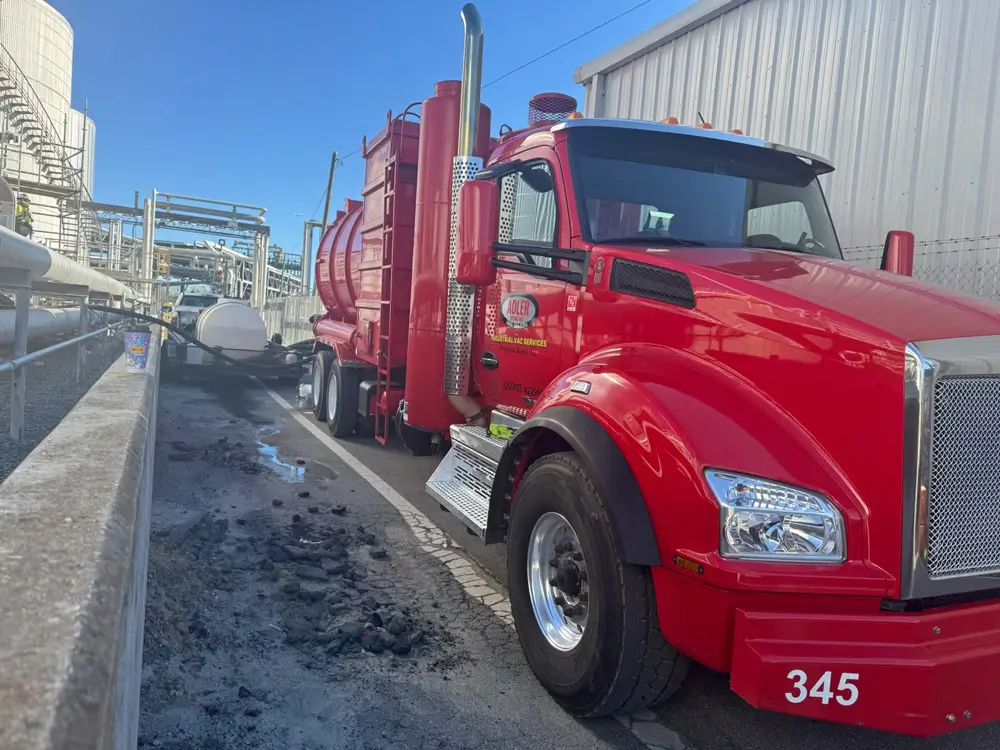
In the Southeast U.S., with hot sun, heavy rains, hurricanes, humidity, and salt air in coastal zones, commercial and institutional flat roofs take a beating. When it’s time to repair, re-roof, or maintain flat or low-slope roofing systems, removing the old surfacing materials cleanly and safely is critical. One of the most efficient and least disruptive methods is industrial roof vacuuming — using industrial vacuum trucks or systems to suck off debris, ballast, and layers down to the deck.
But not all roof vacuuming is alike. In fact, there are at least five specialized roof vacuuming techniques, each suited to particular roofing types and materials. In this article, we’ll introduce:
We’ll explain what each is, when and why you’d use vacuuming, key challenges in the Southeast climate, and SEO-friendly tips for property owners in Florida, Georgia, South Carolina, Alabama, and beyond.
What it is: Many modern buildings incorporate green roofs (vegetated roofs), planted over a substrate of soil, light aggregate, drainage media, filter fabric, and root barriers. When it’s time to rework the roof membrane beneath or retrofit the green roof, all the soil, growing media, gravel, and filter fabric must be removed.
Vacuuming method: Specialized high-power vacuum trucks (often “positive displacement” or “blast” systems) connect via hoses to rooftop planters or trays, then suck up the soil, substrate, and residual filter fabric. This is more efficient and less labor-intensive than manual shovel-out or mechanical methods.
Why use it in the Southeast: In humid climates, soil retains moisture, and manual removal can be messy, heavy, and slow. Vacuuming limits contamination, dust, and erosion. Also, hurricane-prone areas may require re-inspection or repairs under the green roof, so you want a clean membrane surface.
Key challenges:
What it is: Some roof systems (especially rooftop terraces, pedestrian decks, service walkways, or amenity decks in the Southeast) use concrete pavers set over pedestals (on an underlying membrane). When you need to expose or repair the waterproofing beneath, those pavers & bedding mortar must be removed.
Vacuuming method: A vacuum system is used to lift loosened mortar, sand, gravel, and small paver fragments. Prior to vacuuming, the pavers typically must be dislodged manually (or via light mechanical tools) so the vacuum can pick up the loose debris. The vacuum removes the rubble, sand, dust, and small fragments efficiently, leaving the pavers (if intact) for reuse or salvage.
Why use it in the Southeast: Roof terraces, rooftop gardens, and amenity areas are common in Southeastern urban areas (e.g. Tampa, Miami, Charlotte). During retrofits, the pavers must be removed cleanly without damaging the membrane. Vacuuming expedites cleanup, reduces the manual labor burden, and minimizes the risk of membrane damage from dragging debris.
Key challenges:
What it is: Many flat roof systems (especially single-ply membranes like EPDM, TPO, or modified bitumen) are held down by loose stone or gravel ballast. This ballast layer—pea gravel, river rock, or crushed stone—protects the membrane from UV, foot traffic, and wind uplift. When servicing or re-roofing, removal of this ballast is required.
Vacuuming method: A ballast removal vacuum service uses high-powered industrial vacuums to suck up the loose stone, ballast, and associated dust. The suction system often includes separators so that stone and debris are collected cleanly. Many roof vacuum providers list “ballast / river rock removal” as a core service.
Why use it in the Southeast: In hurricane zones, ballast roofs are often favored because they resist uplift. But when repairs or membrane work is needed, removing hundreds or thousands of pounds of ballast manually is labor-intensive and slow. Vacuuming makes this much more efficient, reduces labor costs, and lessens the risk of membrane damage or stray stones.
Key challenges:
What it is: IRMA stands for Inverted Roof Membrane Assembly. In IRMA systems, the membrane lies below insulation (often protected by a drainage layer or filter fabric) and is topped with ballast—frequently stone or gravel. The ballast holds down the underlying layers and protects against UV and weather. When you need to access the membrane or make repairs, the ballast must be removed.
Vacuuming method: Very similar to ballast removal: vacuum trucks remove the loose stone, rock ballast, and small debris. The inverted configuration can make access trickier, since the drainage layer, filter fabric, or insulation interface must be preserved. A careful vacuum extraction is required to avoid tearing or damaging layers underneath. Many professional roof vacuuming businesses list “Erma / IRMA stone removal” as a service.
Why use it in the Southeast: In marine and humid environments, inverted roofs help protect the membrane from thermal cycling and moisture intrusion. But repairs or retrofits are common in aging buildings, so being able to remove ballast efficiently is essential. Vacuum removal reduces risk to the lower membrane and speeds up project schedules.
Key challenges:
What it is: A Built-Up Roof (BUR) system (commonly called “tar and gravel”) consists of multiple plies of bitumen and fiber felt, finished with a layer of loose gravel or aggregate to protect the roof. Over time, the gravel may need to be removed to inspect, repair, or replace layers beneath.
Vacuuming method: “Gravel vacuuming” or “gravel ballast removal” uses industrial vacuum trucks to lift off loose surface gravel efficiently. The vacuuming process targets the loose rock while preserving the bitumen/felt layers beneath. Many vacuum service providers advertise “BUR roof gravel ballast removal” as a key service.
Why use it in the Southeast: BUR roofs were historically popular in the Southeast, especially in older commercial buildings. The gravel layer protects the underlying membrane from sun, foot traffic, and hail. When you’re re-roofing, repairing, or renewing the roof surface, removing gravel manually is slow, messy, and risky. Vacuum removal is safer, faster, and cleaner.
Key challenges:
When selecting a roof vacuuming service in the Southeast region (Georgia, Florida, Alabama, South Carolina, North Carolina, Tennessee), consider:
Experience of the vacuum provider with local building codes and hurricane-zone design
By matching the right vacuuming technique to your roof type, you’ll reduce labor costs, speed project timelines, and protect the underlying membrane.