Hydro vac and traditional sewer cleaning methods serve distinct purposes, each with its own strengths. Hydro vac uses high-pressure water and vacuum systems to clear blockages while prioritizing safety and efficiency, especially in challenging or sensitive environments. Traditional methods, like line jetting and chemical treatments, are better suited for routine maintenance and simpler tasks.
| Feature | Hydro Vac | Traditional Methods |
|---|---|---|
| Efficiency | High, tackles severe blockages quickly | Moderate, may require multiple attempts |
| Safety | No manual entry, safer for workers | Riskier, often involves confined spaces |
| Environmental Impact | Uses water, less risk of contamination | May involve chemicals, higher risk |
| Cost | Higher upfront, saves on long-term repairs | Lower initial cost, higher maintenance |
| Best For | Large-scale, complex, or urgent projects | Routine or smaller maintenance tasks |
Choosing the right method depends on your project’s size, complexity, and safety needs. Hydro vac is ideal for heavy-duty or sensitive jobs, while traditional methods work well for simpler, budget-friendly tasks.
Hydro vac technology is a modern solution for sewer cleaning that combines high-pressure water jets with powerful vacuum systems. By using pressurized water to break apart debris and blockages, and immediately vacuuming up the loosened material, this method eliminates the need for workers to enter hazardous or confined spaces. The result? Safer working conditions and efficient cleaning – all managed from the surface. Let’s take a closer look at how hydro vac systems deliver these results.
This technology has become a go-to choice in industrial settings, known for handling even the toughest blockages from a safe distance.
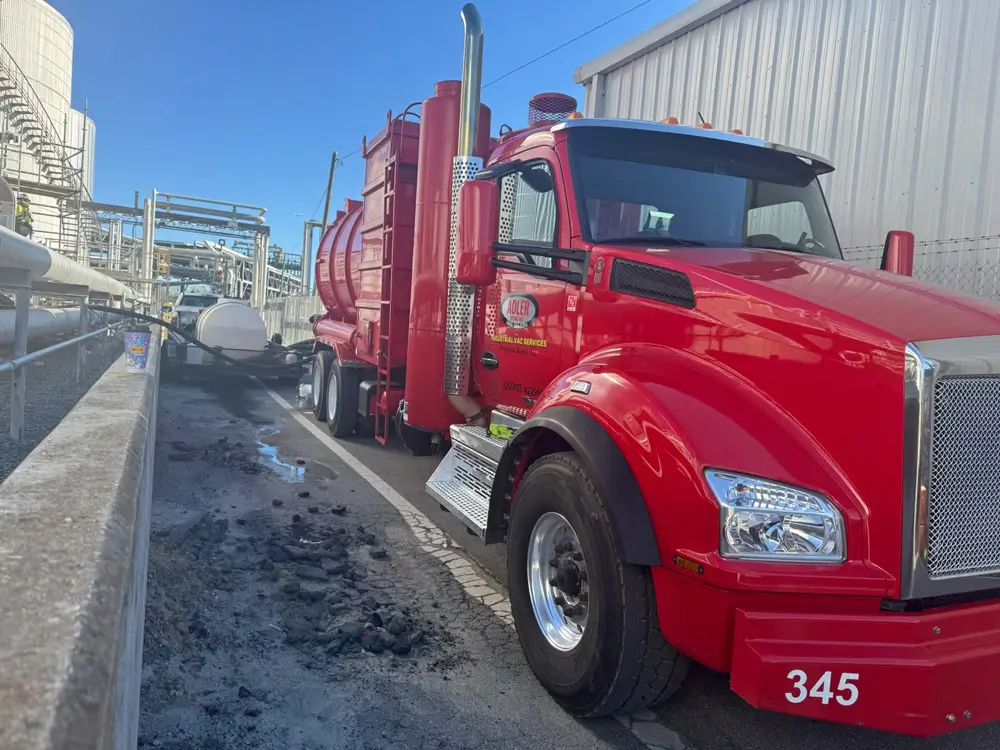
The hydro vac process is powered by a two-step system mounted on specialized trucks. First, high-pressure water jets – operating at pressures ranging from 5,000 psi to 40,000 psi – dislodge debris. Then, an integrated vacuum system immediately removes the water and waste, leaving the area clean and ready for use. This simultaneous action ensures efficiency and thoroughness.
The truck-mounted design provides additional benefits, such as greater capacity for waste collection and reduced downtime for disposal. Advanced vacuum trucks can handle large volumes, making them ideal for demanding jobs. Meanwhile, the precision of the water jets allows for targeted cleaning, reducing the risk of damage to surrounding infrastructure.
Unlike mechanical cleaning methods that can wear down or damage surfaces, hydro vac technology is gentle yet effective. It preserves the structural integrity of sewer lines and equipment, extending their lifespan while delivering a deep clean. These qualities make it a versatile choice for various industrial and municipal applications.
Hydro vac systems shine in situations where traditional methods may be less effective or pose higher risks. Industrial facilities, such as asphalt plants and manufacturing sites, often deal with heavy residue buildup. Hydro vac technology’s high-pressure water jets can easily remove stubborn materials that would otherwise require labor-intensive or hazardous manual cleaning.
For example, cleaning asphalt silos is a task where hydro vac systems excel. They break down tough residues while helping facilities meet regulatory standards.
In environmentally sensitive areas, hydro vac cleaning offers a safer alternative. Since it relies on water rather than harsh chemicals, the risk of contaminating the surrounding environment is significantly reduced. The vacuum system also ensures that debris is immediately contained, preventing it from spreading.
This technology is particularly valuable in emergencies where quick action is essential. Municipal systems facing severe blockages can be cleared rapidly, avoiding the lengthy setups associated with older methods. This speed minimizes service disruptions and reduces the impact on local communities and businesses.
For large-scale industrial cleaning projects, hydro vac systems deliver on both capacity and efficiency. Their ability to handle extensive tasks with faster turnaround times allows facilities to return to normal operations with minimal downtime. It’s a solution that balances effectiveness, safety, and environmental responsibility.
While newer technologies have emerged, many sewer cleaning tasks still rely on tried-and-true methods. For years, conventional techniques like high-pressure line jetting and chemical treatments have been the backbone of sewer maintenance. These methods are designed to tackle everything from minor blockages to general buildup and remain reliable for many routine maintenance needs.
One widely used method is line jetting, which involves blasting high-pressure water through sewer lines. This process is particularly effective at breaking down tough residues, such as grease and hardened deposits. Another approach is the use of chemical treatments, often applied in grease trap cleaning. These chemicals work to dissolve organic matter, making them a go-to solution for grease-related issues.
Traditional cleaning techniques shine in routine maintenance and handling straightforward blockages. For municipal sewer systems and residential drains, these methods provide dependable results in managing everyday debris. In commercial spaces like restaurants and food processing plants, a combination of chemical treatments and line jetting is especially effective in keeping grease under control.
Let’s break down how hydro vac technology stacks up against traditional cleaning methods, focusing on performance, environmental considerations, and costs.
Hydro vac systems excel in precision and efficiency, offering a level of thoroughness that traditional methods often can’t match. They are particularly effective for tackling severe blockages, while traditional techniques are better suited for routine maintenance tasks.
Another major advantage of hydro vac technology is its speed. It completes jobs faster and reduces downtime significantly. In contrast, traditional methods may require multiple attempts to clear stubborn obstructions, which can prolong the process.
Hydro vac technology stands out for its eco-friendly approach. By using high-pressure water instead of harsh chemicals, it minimizes environmental harm while still delivering effective cleaning. This method also avoids damage to surrounding infrastructure, thanks to its non-invasive nature.
In comparison, traditional cleaning methods often rely on chemical agents to break down grease and organic matter, which can pose risks to the environment. Hydro vac services also handle waste disposal responsibly, ensuring that debris is vacuumed and managed in compliance with environmental regulations. This attention to safety and sustainability makes hydro vac a cleaner choice in more ways than one.
Although hydro vac services come with higher upfront costs, they often lead to significant savings over time. Their precision cleaning helps maintain the integrity of pipes and equipment, reducing the need for frequent repairs and extending their lifespan. This also minimizes downtime, boosting overall efficiency.
On the other hand, traditional methods might seem more affordable initially but can rack up costs in the long run. The reliance on manual labor in risky environments increases expenses related to safety measures, insurance, and potential accidents. Additionally, the need for repeat cleanings and higher maintenance frequency can make traditional methods less cost-effective over time.
These considerations can help determine the best cleaning method based on specific project needs and priorities.
When deciding between hydro vac technology and traditional cleaning methods, the choice depends on the specific needs of your project. Several factors can influence this decision, including project size, location, and environmental considerations. Each method has its strengths, and understanding these can help ensure safety, efficiency, and cost-effectiveness.
The size and scope of the project play a significant role. Hydro vac services are versatile enough to handle everything from small residential jobs to large-scale municipal projects. Their specialized vacuum trucks can carry up to six times more waste, cutting down on the number of trips required.
Location sensitivity and safety requirements are also critical. Projects near underground utilities, such as gas lines or telecommunications cables, require a method that minimizes risk. Hydro vac excavation, being non-destructive, protects existing infrastructure and avoids costly damage or delays.
Environmental conditions often dictate the best approach. In hazardous or contaminated areas, eco-friendly, chemical-free cleaning methods are essential. Hydro vac technology is particularly effective in challenging conditions, such as cold weather, where traditional methods might struggle.
For confined spaces or hazardous environments, safety is paramount. High-pressure water blasting, for example, eliminates the need for manual entry, improving worker safety and ensuring compliance with safety regulations.
By weighing these factors, you can determine whether hydro vac or traditional methods are the better fit for your project.
Hydro vac technology shines in projects that demand precision and safety. It’s especially well-suited for work near underground utilities, where the risk of damage to critical infrastructure is high. This makes it an ideal choice for maintaining telecommunications lines, gas pipes, and other sensitive systems.
When dealing with stubborn blockages that resist conventional methods, hydro vac’s advanced water jet technology can effectively clear tough residues and buildup, reducing the likelihood of recurring issues.
Time-sensitive projects also benefit from hydro vac’s efficiency. Facilities that can’t afford prolonged downtime, such as industrial sites, can rely on this method to minimize disruptions and avoid significant revenue losses.
Additionally, hydro vac is a smart choice for environmentally sensitive areas, such as those near water sources or residential neighborhoods. Its chemical-free cleaning process and responsible waste management practices align with strict environmental regulations, making it both effective and eco-conscious.
Traditional cleaning methods are better suited for straightforward tasks and routine maintenance. For example, simple drain cleaning or basic pipe maintenance in non-sensitive areas can be effectively managed with these conventional approaches.
For smaller, budget-conscious projects – like clearing minor clogs in easily accessible pipes without nearby critical infrastructure – traditional methods are often sufficient. In emergencies where hydro vac equipment isn’t immediately available, traditional techniques can serve as a temporary fix. However, following up with hydro vac cleaning can help prevent future complications.
While hydro vac excels in complex and high-stakes scenarios, traditional methods remain a reliable choice for simpler jobs. Choosing the right method involves balancing your immediate needs with long-term maintenance goals, ensuring the best outcome for your project.
When deciding on the best approach for your project, it’s essential to weigh your specific needs. Hydro vac technology has become a standout choice in non-destructive excavation, thanks to its ability to use a water jet system to clear debris that traditional methods often struggle to handle. Beyond this, hydro vac systems help minimize downtime and extend equipment life, making them especially useful for projects where time is of the essence.
Safety is another critical factor. Conventional cleaning methods often require manual labor in confined spaces, which can be risky. Hydro vac services, on the other hand, provide a safer alternative by eliminating the need for workers to enter hazardous environments, a point frequently highlighted by industry professionals.
Additionally, environmental considerations and regulatory requirements often favor hydro vac services. Their eco-friendly practices align well with these standards, making them a smart choice for projects that need to meet strict compliance guidelines.
Ultimately, the right choice depends on your project’s specific demands – its size, scope, proximity to sensitive infrastructure, and safety requirements. For tasks requiring precise excavation, effective debris removal, and strict adherence to safety protocols, hydro vac technology offers a non-destructive and efficient solution.
Hydro vac systems are paving the way for safer, faster, and more environmentally conscious sewer cleaning. Investing in this advanced technology brings tangible benefits, including quicker project completion, reduced risks, and superior outcomes. Its combination of efficiency and safety makes hydro vac the go-to method for tackling modern sewer cleaning challenges.
Hydro vac technology stands out as a safer and cleaner alternative to traditional sewer cleaning methods. By combining high-pressure water with a vacuum system, it significantly reduces the need for manual labor in risky environments, which helps lower the chances of workplace injuries. Plus, the precision of hydro vac equipment ensures underground utilities remain intact, unlike older, more invasive techniques that can sometimes cause accidental damage.
On the environmental side, hydro vac systems are designed to use water efficiently while preventing harmful debris from escaping into the surrounding area. Thanks to the closed vacuum system, waste is securely collected and disposed of properly, minimizing the risk of contamination. These advantages make hydro vac technology a smart, eco-friendly choice for tackling sewer cleaning projects.
When weighing the long-term costs of hydro vac services against traditional sewer cleaning methods, there are several factors to consider. Hydro vac technology might come with a higher upfront price tag, but it often saves money in the long run. Its precision, ability to reduce the risk of damage, and quicker project completion times make it a strong contender. On the flip side, traditional methods may seem cheaper initially, but they can lead to higher expenses down the road due to property damage or extended downtime.
When planning your sewer cleaning budget, think about the job’s scope, the condition of the infrastructure, and the possibility of unexpected challenges. Hydro vac services shine in delicate or hard-to-reach areas where minimizing disruption is a priority. By carefully evaluating these factors, you can select the approach that best fits your project’s requirements and long-term financial planning.
Traditional sewer cleaning methods can sometimes be the smarter option, especially when simplicity and affordability are key. For instance, if the sewer lines are relatively straightforward and free of major blockages or heavy debris, methods like mechanical rodding or jetting can get the job done without breaking the bank.
These methods also shine in smaller projects or locations where access to hydro vac equipment is limited. That said, the best approach depends on the specific requirements of your project, so it’s worth taking the time to assess what works best for the situation.