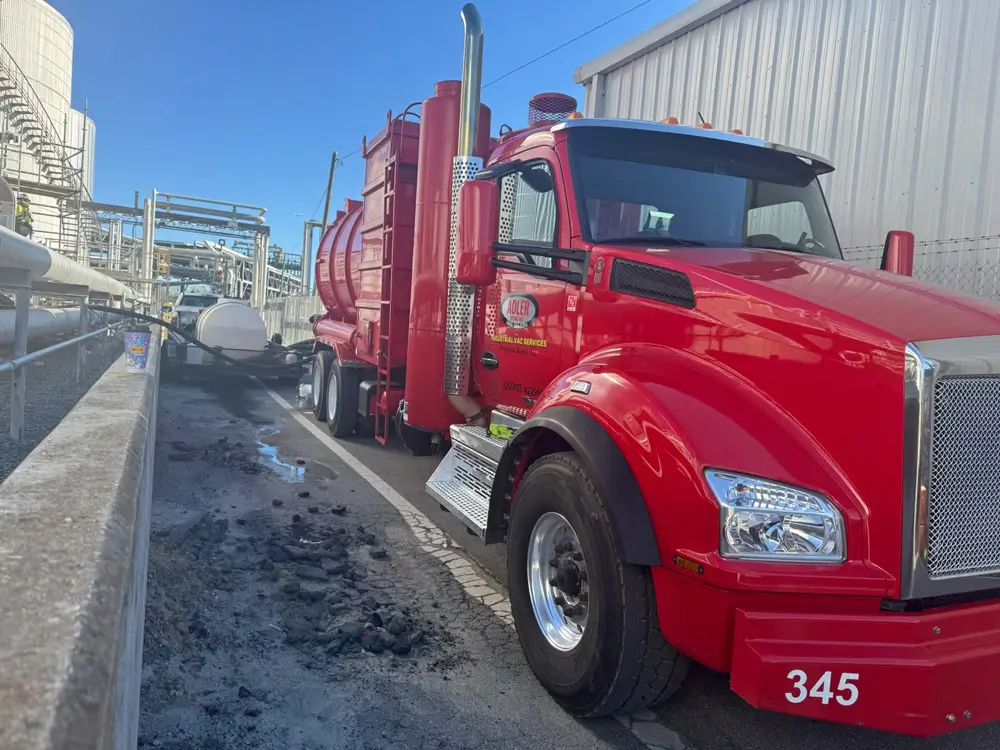
Vacuum Truck Cleaning used for Storm Drains
Stormwater infrastructure is a critical yet often overlooked backbone of urban and industrial environments. At the heart of these systems are storm drains and catch basins, essential components designed to prevent flooding, manage runoff, and protect water quality. Over time, these systems accumulate debris, sediment, and pollutants, necessitating regular maintenance to ensure their functionality.
This article explores the innovative processes and advanced technologies used in storm drain maintenance, focusing on vacuum trucks, hydrovac systems, and other specialized tools. Through expert insights and detailed analysis, we’ll outline the strategies that keep municipal and industrial drainage systems running smoothly, all while prioritizing safety, efficiency, and environmental stewardship.
Why Storm Drain Maintenance Matters
Storm drains and catch basins serve as the first line of defense in stormwater management. Their primary role is to capture and filter debris, silt, and pollutants before water enters underground pipes and local waterways. When neglected, these systems can become clogged, leading to:
- Localized flooding: Blocked drains prevent water from flowing properly, causing streets, parking lots, and facilities to flood during heavy rainfall.
- Infrastructure damage: Overflow and standing water accelerate wear and tear on roads, buildings, and underground systems.
- Environmental contamination: Pollutants such as oils, litter, and hazardous chemicals can bypass the drainage system and enter natural habitats, harming ecosystems.
- Regulatory penalties: Noncompliance with environmental standards can lead to fines and legal issues for businesses and municipalities.
Regular maintenance not only ensures smooth operations but also supports broader goals such as urban resilience and environmental sustainability.
Key Tools and Methods for Storm Drain Cleaning
1. Vacuum Trucks: The Workhorse of Storm Drain Maintenance
Vacuum trucks are the cornerstone of modern storm drain cleaning. Built for versatility and efficiency, these vehicles use high-powered suction to remove debris, standing water, and sludge from drains and basins.
How It Works
- Operators begin by lifting the heavy access grate to expose the storm drain or catch basin.
- A flexible yet powerful suction hose is lowered into the chamber to extract accumulated debris, including sediment, leaves, and trash.
- The extracted material is stored in a containment tank within the truck, ensuring safe transport to licensed disposal or treatment facilities.
Advantages
- Rapid removal of both solids and liquids.
- Minimal manual labor required, reducing safety risks for operators.
- Highly effective for deep or hard-to-reach basins.
2. Hydrovac Systems: Precision Meets Power
Hydrovac technology combines high-pressure water jetting with vacuum extraction to clear clogs and clean drainage lines thoroughly. This dual-action method is particularly useful for sensitive areas where traditional excavation could cause damage.
The Process
- High-pressure water is blasted into the drain, breaking apart compacted debris such as sludge, sediment, and organic matter.
- Simultaneously, the vacuum system pulls the loosened material into a sealed containment tank.
- Operators may use camera inspections to verify that the drainage lines are completely clear.
Why Choose Hydrovac?
- Non-invasive: Prevents damage to surrounding infrastructure, such as pipes and cables.
- Precision cleaning: Ensures internal pipe walls are scrubbed clean, enhancing long-term performance.
- Environmentally friendly: Reduces the risk of pollutants re-entering the system.
3. High-Pressure Jetting
High-pressure water jetting is a powerful technique for unclogging and cleaning stormwater pipes and channels. By blasting water at extremely high pressures, this method can dislodge even the toughest buildup, from hardened sludge to tree roots.
Applications:
- Clearing blockages in connected drainage pipes.
- Flushing out sediment and debris accumulated in trench or culvert drains.
- Prepping drains for inspections.
Paired with vacuum trucks or hydrovac systems, jetting ensures comprehensive cleaning with minimal disruption to operations.
Environmental Implications: Reducing Pollution at the Source
Storm drain maintenance isn’t just about preventing floods; it’s a critical component of pollution control and environmental remediation. Catch basins, interceptors, and trench drains are designed to trap harmful substances like hydrocarbons, oils, and heavy metals, preventing them from entering natural waterways.
When properly maintained:
- Water quality improves: Pollutants are removed before they can contaminate rivers, lakes, and groundwater.
- Ecosystems are protected: Urban runoff is notorious for introducing contaminants into aquatic habitats, endangering plants, fish, and wildlife. Routine cleaning mitigates this harm.
- Compliance is ensured: Many regions have strict environmental regulations governing stormwater systems. Maintaining drains helps municipalities and businesses avoid hefty fines.
The Logistics of Waste Disposal
The debris extracted during storm drain cleaning must be handled with care to avoid secondary contamination. Professional crews transport the waste to licensed treatment facilities, where it is processed, treated, and often recycled. For example:
- Sediment and organic waste can be composted or used as landfill cover.
- Oils and hydrocarbons are separated and treated as hazardous waste.
- Recyclable materials like plastics are sorted and processed.
This closed-loop approach minimizes environmental impact while supporting sustainable waste management practices.
Preventative Maintenance: A Cost-Effective Solution
Proactive maintenance is far more cost-effective than emergency repairs or flood remediation. Here’s why:
- Prevents costly damage: Keeping systems clear reduces wear on pipes, basins, and surrounding infrastructure.
- Extends lifespan: Regular cleaning ensures stormwater systems operate at peak efficiency over time.
- Reduces liability: Flooding and pollution can lead to lawsuits, insurance claims, and reputational harm.
Scheduling routine inspections and clean outs – especially before peak rainy seasons – can save municipalities and businesses thousands in long-term expenses.
Key Takeaways
- Stormwater systems are the backbone of urban infrastructure: Proper maintenance prevents flooding, protects ecosystems, and ensures regulatory compliance.
- Vacuum trucks and hydrovac technology streamline the cleaning process: These tools make storm drain maintenance faster, safer, and more effective.
- Environmental benefits are significant: By capturing and safely disposing of pollutants, storm drain maintenance supports cleaner waterways and healthier ecosystems.
- Preventative maintenance pays off: Routine inspections and cleaning reduce long-term costs, prevent emergencies, and prolong infrastructure life.
- Investing in the right technology matters: Advanced equipment like hydrovacs and high-pressure jetters offer precision cleaning with minimal disruption.
Storm drain cleaning might seem like a behind-the-scenes operation, but its impact is far-reaching. By keeping these critical systems functional, municipalities and businesses not only prevent flooding and contamination but also contribute to a more sustainable future. The combination of advanced equipment, skilled operators, and focused maintenance schedules ensures that stormwater flows where it should – away from streets, buildings, and ecosystems.
For professionals in heavy industrial sectors, staying proactive with storm drain maintenance isn’t a luxury – it’s an essential part of protecting infrastructure, complying with regulations, and safeguarding the environment. By investing in the right processes and technologies, we can build more resilient, sustainable communities for generations to come.