High-pressure water systems are widely used in industries like construction, manufacturing, and utilities. With pressures exceeding 1,000 PSI, they are highly effective but pose serious risks, including injuries, equipment failure, and chemical exposure. To ensure safety, clear standards and proper training are critical. Here’s a quick breakdown:
Companies like Adler Hydro Vac demonstrate how prioritizing safety not only protects workers but also ensures efficient operations. Whether it’s hydro excavation or industrial cleaning, following these standards is essential for safe and effective use of high-pressure water systems.
The rules governing high-pressure water operations are layered, with federal agencies like OSHA setting the groundwork and state authorities often adding their own requirements. These regulations play a critical role in ensuring worker safety and shaping business practices. Below, we’ll explore how OSHA and local authorities influence these standards.
OSHA provides the primary federal guidelines for high-pressure water operations. These rules are primarily outlined in 29 CFR 1910.243, which focuses on portable powered tools and equipment. This regulation lays the groundwork for safe practices across industries using high-pressure systems.
The operating pressure of equipment determines the safety measures required:
For noise levels exceeding 85 decibels, OSHA’s 29 CFR 1910.95 mandates hearing protection measures. Electrical safety rules under 29 CFR 1910.303-308 also apply to electric pressure washers, requiring proper grounding, circuit protection, and regular system maintenance.
Personal Protective Equipment (PPE) is another critical area. OSHA requires ANSI Z87.1-compliant eye protection, with face shields recommended for pressures exceeding 1,000 PSI. Operators must also complete mandatory training before starting work, with refresher courses required annually or following incidents like near-misses or equipment changes.
Daily equipment inspections are non-negotiable. OSHA mandates pre-use checks for hoses, fittings, triggers, and safety devices to ensure everything is in proper working order.
While OSHA sets the federal baseline, individual states often have their own safety programs that go beyond these requirements. Currently, 22 states and territories operate OSHA-approved State Plans covering both private and public sector workers, and 7 jurisdictions have hybrid programs focused on state and local government employees.
State Plans must meet or exceed federal OSHA standards. For example, California’s Cal/OSHA requires employers to implement a written Injury and Illness Prevention Program (IIPP), a step beyond federal mandates. When OSHA introduces new standards, states must adopt them within six months, but they are free to enforce stricter measures.
State Plans often adapt to local conditions, creating tailored programs for worker safety and health. These localized rules can significantly influence daily operations, especially for businesses operating across multiple states.
For instance, slip and fall accidents are a leading cause of injuries in commercial pressure washing. To avoid compliance issues, companies should keep detailed records of safety audits and training activities. Regular safety checks not only help identify potential hazards but also ensure that businesses remain aligned with both federal and state regulations.
Adler Hydro Vac handles these complex regulatory requirements by adhering to strict safety and operational standards, ensuring compliance while prioritizing worker well-being across industries.
High-pressure water systems come with various risks, from powerful water streams to chemical exposure and other environmental hazards. To keep workers safe, specific protective gear is essential.
Eye and Face Protection
Operators must wear eye protection that meets ANSI Z87.1 standards, as required by OSHA. For pressures over 1,000 PSI, adding a face shield is advised to protect against splashes and flying debris. Combining safety glasses with a face shield provides comprehensive coverage.
Hearing Protection
When noise levels exceed 85 decibels during an 8-hour shift, hearing protection becomes a must. Industrial pressure washers typically generate noise in the 85–100 decibel range, making earplugs or earmuffs necessary. For operations involving pressures above 10,000 PSI, double hearing protection is recommended to prevent lasting hearing damage.
Protective Clothing
For pressures up to 3,000 PSI, water-resistant suits or aprons are suitable. However, for operations exceeding 10,000 PSI, full-body protective suits are required to minimize the risk of water jet injuries. According to the Waterjetting Association, while ultra high-pressure PPE doesn’t guarantee complete protection, it provides added resistance, giving operators a critical window to react or halt operations.
Safety Footwear and Hand Protection
Steel-toed boots with slip-resistant soles are essential to protect against falling objects and slippery surfaces. For tasks involving cleaning chemicals, chemical-resistant gloves are necessary. When working with heated water or steam systems where temperatures exceed 140°F (60°C), heat-resistant gloves and clothing should be used. These measures address standard tasks, but specialized jobs often demand additional safeguards.
Certain tasks call for extra layers of protection. For chemical cleaning, where exposure to toxic or corrosive substances is higher, chemical-resistant suits are essential. Respiratory protection – such as full or half-face respirators – may also be required, particularly in areas with poor ventilation or when handling hazardous chemicals.
Confined spaces bring their own set of challenges. A qualified professional should evaluate the PPE needed for such environment. The Waterjetting Association emphasizes that anyone working with or near high-pressure waterjetting systems must wear protective clothing suitable for the risks involved. For ultra high-pressure tasks at 1,700 bars or more, properly rated PPE is mandatory before starting hand-held waterjetting operations.
Emergency Preparedness
In addition to PPE, having emergency safety equipment nearby is crucial. Eye wash and body flushing stations are indispensable when working with corrosive cleaners, providing immediate decontamination in case of accidental exposure.
Selecting the right PPE should always be based on a thorough hazard assessment, and workers must be trained on how to use and maintain their gear properly.
Proper training is the backbone of safe high-pressure water operations. Without it, even the best safety gear can’t fully protect operators from potential hazards. Operators need to grasp not only the technical workings of their equipment but also the risks they might face on the job.
Key Training Components
According to OSHA guidelines, only trained personnel are permitted to operate pressure washing equipment. Training programs should focus on three critical areas: equipment operation, hazard identification, and emergency response. This ensures operators can manage high-pressure systems safely and effectively.
Specialized Certifications
In hazardous work environments, additional certifications are often required. For example, Adler Hydro Vac’s teams meet these high standards through rigorous training programs. Specialized applications, such as silo cleaning with high-pressure water blasting, demand targeted training and certifications to ensure both safety and precision.
Ongoing Training and Inspections
Training isn’t a one-and-done deal. Annual refresher courses are crucial for reinforcing safety practices and addressing new equipment or emerging risks. Daily pre-use inspections also play a vital role, helping operators spot defects and confirm that safety devices are in working order. These ongoing efforts prepare operators to handle their tasks with confidence.
Comprehensive training lays the foundation for safe practices in the field.
Mastering Equipment Handling
Safety begins with understanding equipment capabilities and limits. Operators should always use tools suited for the task and avoid exceeding pressure levels recommended by the manufacturer. Before starting any job, a thorough inspection of the equipment and worksite is essential to ensure secure connections and identify potential hazards.
Operational Safety Guidelines
Operators should maintain a firm grip on the wand using both hands, keeping it at a 45-degree angle for stability. The water stream must never be aimed at people, unprotected skin, eyes, animals, or pets.
Electrical and Chemical Safety Measures
Always turn off the pressure washer before adjusting or handling power cords. For electric models, use ground fault circuit interrupter (GFCI) protection, and ensure all electrical connections stay dry and elevated above standing water. If cleaning chemicals are involved, follow the manufacturer’s instructions carefully – never mix chemicals unless explicitly directed – and make sure there is proper ventilation, especially in confined spaces.
Managing the Work Area
Preparing the work area is critical for preventing accidents and keeping bystanders safe. In public spaces, use signs or barriers to establish a secure perimeter. Positioning the pressure washer away from the cleaning site also helps reduce unnecessary water exposure.
Post-Operation Care and Gas-Powered Equipment Tips
Once the job is done, drain water from the hose, pressure washer, nozzles, and spray wand. Any equipment showing signs of malfunction should be taken out of service until repaired by a qualified technician. For gas-powered machines, proper ventilation is a must to avoid carbon monoxide buildup.
High-pressure water equipment operates under demanding conditions, making consistent upkeep essential to avoid injuries, downtime, and compliance issues. By understanding the specific safety requirements across pressure ranges and following strict maintenance routines, you can ensure safer and more efficient operations.
OSHA provides clear guidelines for high-pressure equipment based on operating pressures. For systems below 100 PSI (6.9 BAR), the requirements are minimal. However, equipment operating between 100–1,000 PSI (6.9–68.9 BAR) must include automatic shut-off features and pressure gauges. Systems exceeding 1,000 PSI (68.9 BAR) require additional safeguards, such as dump valves, rupture discs, and secondary pressure relief systems. These safety measures align with the broader operational practices previously discussed.
| Pressure Range | Safety Requirements |
|---|---|
| Below 100 PSI (6.9 BAR) | Minimal |
| 100–1,000 PSI (6.9–68.9 BAR) | Automatic Shut-Off, Pressure Gauges |
| Exceeding 1,000 PSI (68.9 BAR) | Dump Valves, Rupture Discs, Secondary Relief Systems |
This structured approach to equipment inspections strengthens the overall safety framework.
Daily Pre-Use Inspections
“OSHA requires daily pre-use inspections of all high-pressure washing equipment, with operators checking hoses, fittings, triggers, and safety devices before each shift. These inspections must be documented in equipment logs.” – OSHA
Daily pre-use inspections are the backbone of equipment safety. Operators should carefully check hoses for cracks or wear, inspect fittings for leaks, and confirm that triggers and safety devices work as intended. Any equipment found to be faulty must be removed from service immediately.
Scheduled Maintenance Requirements
Beyond daily checks, OSHA mandates scheduled maintenance to ensure equipment reliability. Weekly inspections should focus on safety devices and pressure relief valves to confirm they’re functioning correctly. Monthly testing of emergency shut-off systems ensures they’re ready for critical situations. Additionally, quarterly checks of electrical components and grounding help reduce electrical risks, while annual certifications of pressure vessels and accumulators verify their structural soundness.
Hose Testing and Device Calibration
Hoses should be tested every six months at 1.5 times their working pressure to identify weaknesses. Safety devices, such as pressure gauges and relief valves, also need regular calibration – pressure gauges annually, and relief valves as per manufacturer or industry standards.
Noise and Electrical Safety
Routine checks of electrical connections and noise control systems are equally important. These inspections help maintain compliance with OSHA’s hearing conservation and electrical safety standards.
Documentation and Record Keeping
Detailed maintenance logs are critical for tracking compliance and spotting recurring issues. These records should include inspection dates, findings, and any corrective actions taken.
Thorough maintenance is only part of the equation – proper shutdown practices are equally vital. Following structured shutdown and depressurization steps helps prevent accidents during maintenance, storage, or emergencies.
Emergency Shutdown Systems
Emergency shutdown systems are designed to immediately stop operations and depressurize components, reducing risks like leaks, flooding, or fire. A step-by-step shutdown process ensures pressure is released gradually, avoiding sudden spikes. It’s essential that all authorized personnel are trained in emergency shutdown procedure.
Depressurization Best Practices
Before any maintenance begins, operators must confirm that the equipment has been fully depressurized. This involves more than just switching off the machine – every part of the high-pressure circuit must be depressurized. Briefly spraying the wand helps release any residual pressure and makes it easier to disconnect hoses.
Lockout/Tagout Compliance
All shutdown and depressurization steps must meet OSHA’s lockout/tagout regulations (29 CFR 1910.147). These procedures prevent accidental equipment restarts during maintenance and are vital for protecting workers.
At Adler Hydro Vac, these rigorous maintenance and shutdown protocols are a cornerstone of their operations. Whether working on hydro excavation, industrial cleaning, or environmental remediation projects, their commitment to safety ensures dependable performance across a range of challenging tasks.
No matter how rigorous the maintenance or safety measures are, emergencies can still happen. The key to reducing injuries and damage lies in quickly identifying hazards and having clear, actionable response procedures in place.
High-pressure water operations come with their own set of risks, which demand specific precautions. Spotting these hazards early can stop minor problems from escalating into major incidents.
One of the most serious risks in high-pressure water jetting is injection injuries. With water pressures ranging from 1,000 PSI to 40,000 PSI, severe injuries can happen almost instantly. These injuries occur when high-pressure water pierces the skin, potentially causing internal damage that may not be visible right away. To mitigate this risk, operators must never aim water jets at anyone – even if the system appears depressurized. Equipment should always be treated as pressurized until it has been fully isolated and verified as safe. Additionally, creating safety zones around the work area helps prevent accidental exposure.
Equipment issues, such as hose ruptures or pump malfunctions, require immediate action. Shutting down the system and following lockout/tagout procedures are critical steps to ensure safety.
Environmental factors like slippery surfaces, flying debris, excessive noise, and contaminated water spray can pose serious risks. For instance, high-pressure operations often generate noise levels exceeding 85 decibels, which can damage hearing. In applications such as industrial cleaning or demolition, water jets can dislodge concrete, metal, or other materials at high speeds, creating dangerous projectiles. Proper barricading and exclusion zones are essential to minimize these risks.
High-pressure operations can also expose workers to harmful substances like chemicals, asbestos, ceramic fibers, or microorganisms. These hazards may arise from direct contact with contaminated surfaces or airborne particles released during cleaning. The risks vary depending on the environment; for example, industrial cleaning may involve acids or solvents, while environmental remediation could expose workers to contaminated soil or groundwater.
| Hazard Category | Specific Risks | Control Measures |
|---|---|---|
| Pressure-Related | Injection injuries, equipment ruptures | Safety zones, proper isolation, PPE |
| Equipment Failures | Hose ruptures, pump malfunctions | Regular inspections, lockout/tagout |
| Environmental | Flying debris, noise, slippery surfaces | Barricading, hearing protection, non-slip footwear |
| Chemical/Biological | Contaminated water, airborne particles | Respiratory protection, hazard communication |
These measures form the foundation for a fast and effective emergency response, which is discussed in the next section.
A well-prepared emergency plan must cover a variety of scenarios, from minor injuries to major equipment failures. Effective protocols address equipment malfunctions, injuries, and environmental incidents.
The first step during an emergency is to eliminate the immediate danger. This includes shutting down equipment, providing first aid, and evacuating the area if necessary. Operators should be trained to quickly activate shutdown systems and safely depressurize equipment.
Different types of emergencies call for specific responses. For overpressure incidents, activating pressure-relief mechanisms and performing a full system shutdown are crucial. In the case of a chemical spill inside a vacuum system, operators should shut down the pump, contain the spill, and use designated containment kits. Similarly, if an implosion occurs, the area must be evacuated, hazardous materials secured, and any injuries or damage immediately reported.
Training is the backbone of safe water jetting operations. Regular drills and refresher courses ensure all team members are familiar with emergency plans and can respond effectively. First aid training should specifically address injuries like cuts, burns, and eye damage caused by high-pressure water exposure, as these injuries require specialized care.
Strong emergency protocols underscore the commitment to safety in every operation.
Adler Hydro Vac integrates emergency preparedness into every aspect of their work. Whether it’s hydro excavation, industrial cleaning, or environmental remediation, their teams follow detailed response plans tailored to the specific risks of each job. By adhering to strict safety standards and maintaining a proactive approach, Adler Hydro Vac ensures their operations in industries like manufacturing, utilities, construction, and environmental management remain both safe and efficient.
At Adler Hydro Vac, safety isn’t just a checkbox – it’s the backbone of their operations. From rigorous training programs to cutting-edge equipment, every aspect of their work prioritizes the well-being of employees, clients, and the environment.
“At Adler Hydro Vac, we believe in creating safe environments. Safety is not just a legal requirement; it’s our commitment to our employees, customers, and the environment.”
This unwavering focus on safety is evident in all their services, including hydro excavation, industrial cleaning, and environmental remediation. Their dedication to best practices and innovative solutions sets the standard for high-pressure water operations.
Adler Hydro Vac goes above and beyond standard safety protocols. Team members undergo 40-Hour Hazmat Training, confined space certification, and regular physical exams. They also participate in fit tests and random drug screenings. On-site, safety is reinforced through tailored Tail Gate Safety Meetings specific to each job.
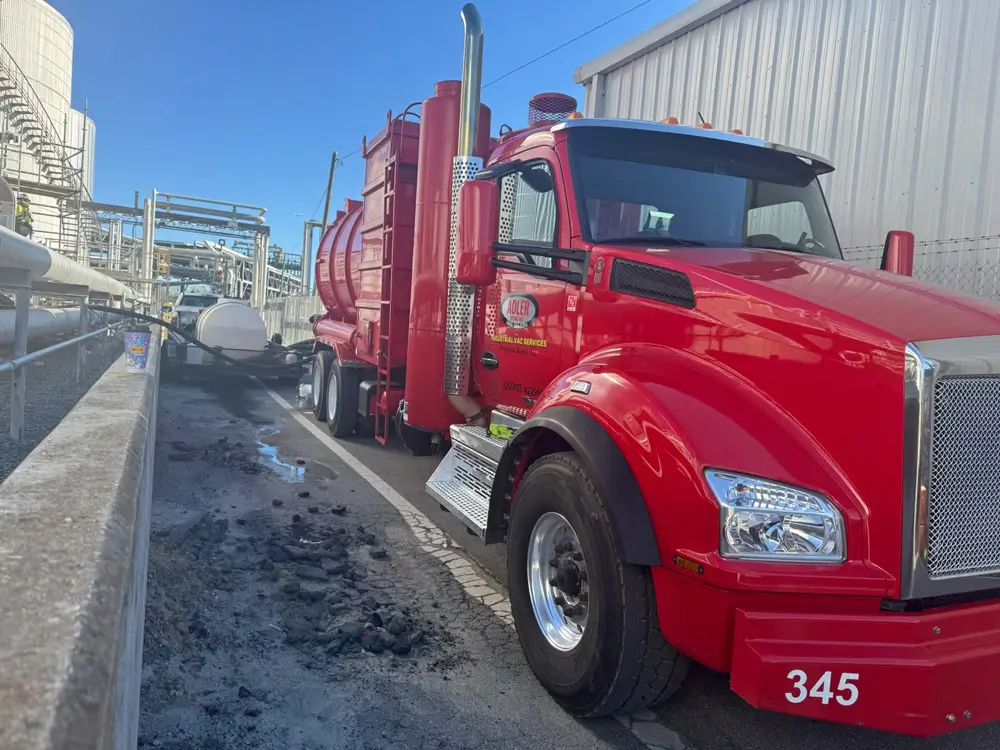
Their hydrovac trucks are designed to use high-pressure water to break up soil safely, minimizing the risk of underground utility damage – a critical consideration given the 316,422 damage reports across North America in 2017.
Adler Hydro Vac also employs advanced equipment for specialized tasks. For instance, their water jetting system for silo cleaning removes asphalt residue without workers needing to enter confined spaces, significantly reducing risk. Additionally, their water blasting technology offers precise cleaning without damaging surfaces, making it ideal for challenging industrial tasks.
Every safety protocol and innovation is seamlessly integrated into their operations, ensuring both worker and environmental safety across all projects.
Adler Hydro Vac’s services are designed to address the unique challenges of various industries, all while maintaining their rigorous safety standards.
Their expertise extends to construction projects, where they manage multi-hazard environments involving heavy machinery, electrical systems, and structural work. In emergency situations, Adler’s trained teams are ready to respond quickly, following strict safety guidelines even under tight timelines.
Adler Hydro Vac’s “Never Say No” philosophy reflects their commitment to crafting customized safety solutions that align with industry regulations and specific project needs. Their comprehensive training ensures every team member is prepared to handle the unique risks of their work – whether in utilities, manufacturing, construction, or environmental management across NYC, the Northeast, and the Mid-Atlantic.
Working with high-pressure water equipment comes with serious risks, making safety non-negotiable. Cutting corners can lead to severe injuries or costly equipment damage. High-pressure injection wounds, for example, are particularly dangerous – they might seem minor initially but can result in bacterial infections, long-term disability, or even amputation if untreated.
To protect workers and maintain compliance, following OSHA standards is essential. These guidelines are designed to prevent common injuries like skin lacerations, punctures, bruises, and eye damage.
Thorough training plays a huge role in accident prevention. Operators need to know how to handle equipment properly, recognize potential hazards, use personal protective equipment (PPE), and respond to emergencies. For instance, equipment operating above 2,000 PSI requires both noise protection and proper face shields. Regular inspections and maintenance routines are equally important to ensure safe operations and extend the life of the equipment.
Companies like Adler Hydro Vac demonstrate that prioritizing safety is key to operational success. By adhering to strict safety protocols, they show that efficiency and safety go hand in hand. When it comes to high-pressure water operations, there’s no room for compromise – following established safety standards is not just the best approach, it’s the only one. Lives and livelihoods depend on it.
Operators handling high-pressure water systems need comprehensive training to prioritize safety and meet OSHA standards. This training covers several critical areas: the correct operation of equipment, recognizing potential hazards, proper use of personal protective equipment (PPE), and familiarity with emergency procedures.
It’s essential that this training takes place before any work begins and is revisited regularly to ensure operators remain current with safety guidelines and regulatory updates.
State regulations for high-pressure water operations typically follow federal OSHA guidelines but often include extra safety measures tailored to local requirements. For example, California, through Cal/OSHA, enforces stricter rules, such as advanced training programs, more frequent equipment inspections, and detailed procedures for working in confined spaces.
These additional precautions aim to enhance worker safety, especially when dealing with complex machinery or high-pressure systems. Employers must stay updated on both federal and state-specific rules to ensure compliance and prioritize the well-being of their teams.
A well-structured emergency response plan for high-pressure water operations should address hazard identification, clear communication protocols, evacuation procedures, and coordination with emergency services. These elements are essential for reducing risks and ensuring quick, effective action during emergencies.
To keep employees prepared, companies need to invest in comprehensive training. This includes teaching workers how to identify hazards, operate equipment properly, and respond to emergencies – such as providing first aid for injuries like water injection wounds. Regular safety drills and briefings are equally important for reinforcing these practices and maintaining a state of readiness. Prioritizing safety not only safeguards employees but also helps meet industry compliance standards.