Hydro excavation is a precise, non-destructive digging method using pressurized water and industrial vacuums. It’s ideal for safely exposing underground utilities and working in sensitive areas. But challenges like equipment issues, soil types, and site limitations can slow projects down. Here’s how to tackle these problems:
| Challenge | Solution | Benefit |
|---|---|---|
| Equipment issues | Regular maintenance | Minimizes downtime |
| Different soil types | Adjust water pressure/temperature | Ensures efficient digging |
| Limited water access | Use storage tanks and recycling | Keeps operations uninterrupted |
| Urban work constraints | Use compact equipment, precise tools | Reduces surface disruption |
| Seasonal soil conditions | Modify pressure/temperature settings | Maintains consistent performance |
Dealing with equipment issues promptly is crucial for keeping operations running smoothly. Modern machinery plays a key role, and understanding common problems and solutions can help reduce downtime.
Certain components – like vacuum systems, water pumps, and transfer hoses – are prone to specific problems:
| Component | Common Issues | Impact on Operations |
|---|---|---|
| Vacuum System | Loss of suction power, clogged filters | Decreases efficiency in material removal |
| Water Pumps | Pressure fluctuations, worn seals | Leads to uneven soil breakdown |
| Transfer Hoses | Wear and tear, blockages | Limits material flow and risks spills |
“Operators should have access to a solutions-focused team and state-of-the-art equipment to tackle any job, big or small.” – Adler Industrial Vacuum Services
Regular maintenance is the first step to addressing these challenges.
| Task | Frequency | Benefits |
|---|---|---|
| Filter Cleaning | Daily | Keeps suction power consistent |
| Hose Inspection | Weekly | Detects leaks before they worsen |
| Pump Service | Monthly | Maintains steady water pressure |
| System Calibration | Quarterly | Ensures accurate performance |
Excavating different soil types requires specific techniques to ensure efficiency and safety. Knowing how soil reacts to water pressure and temperature changes is key to achieving the best results.
Each soil type calls for a specific approach:
| Soil Type | Characteristics | Best Practices |
|---|---|---|
| Clay | Dense and compact | Use higher water pressure with warm water to prevent clumping |
| Sandy | Loose and shifts easily | Apply lower water pressure at standard temperature to avoid destabilizing nearby areas |
| Rocky | Mixed density with hard materials | Use pulsed, focused water pressure to break apart rocks effectively |
For clay, warm water helps reduce clumping, making it easier to manage. In sandy soils, controlling pressure prevents unnecessary displacement and protects surrounding structures. Rocky soils benefit from targeted, pulsing water pressure to handle tough spots.
Adjustments may also be necessary depending on seasonal changes.
Seasonal weather affects both the soil and the equipment used. Here’s how to adapt:
| Season | Common Issue | Suggested Adjustment |
|---|---|---|
| Winter | Frozen or hardened ground | Increase water temperature and pressure |
| Spring | Waterlogged, soft soil | Lower water pressure and improve suction |
| Summer | Dry, compact soil | Fine-tune water-to-air ratios for better results |
| Fall | Mixed conditions | Regularly monitor and adjust temperature and pressure as needed |
These adjustments ensure consistent performance regardless of the season, helping to maintain project timelines and quality.
Effectively managing site restrictions is essential for hydro excavation projects. It involves adapting operations while staying compliant with U.S. regulations.
Proper water management and waste handling are critical for maintaining efficiency and meeting compliance standards. Below are some practical approaches:
| Challenge | Solution | Benefit |
|---|---|---|
| Limited water access | Use temporary storage tanks | Keeps operations running smoothly without interruptions |
| Waste accumulation | Schedule regular disposals | Avoids site clutter and ensures compliance with regulations |
| Runoff control | Use containment barriers | Protects nearby areas and meets EPA requirements |
Adjusting pressure settings and using water recycling systems can significantly cut water usage without compromising performance.
Urban settings bring unique challenges that demand tailored solutions:
| Urban Challenge | Solution | Benefit |
|---|---|---|
| Limited access | Micro trenching techniques | Minimizes surface disruption |
| Multiple utilities | Precision excavation | Lowers the chances of damaging utilities |
| Traffic flow | Strategic equipment placement | Keeps the site accessible |
For work in confined spaces, safety is a top priority. All team members should complete specialized training, such as confined space entry certification, and follow site-specific safety protocols. Emergency response plans should also be firmly in place.
Maintaining high safety standards is crucial for protecting workers and keeping operations running smoothly. These standards form the basis for addressing risks and implementing effective safety measures.
Hydro excavation comes with certain risks that demand strict safety protocols. Teams need thorough training to recognize potential hazards and follow procedures that ensure a safe working environment.
Having the right safety gear and well-defined emergency response plans is a must. As highlighted:
“Proper training and certification are essential for hydro excavation teams to minimize risks and maximize efficiency”
Regularly reviewing these plans and conducting drills helps keep emergency responses sharp and effective.
Boosting efficiency in hydro excavation relies on combining cutting-edge tools with well-structured processes. By honing in on critical factors, teams can achieve faster and more precise results without compromising safety.
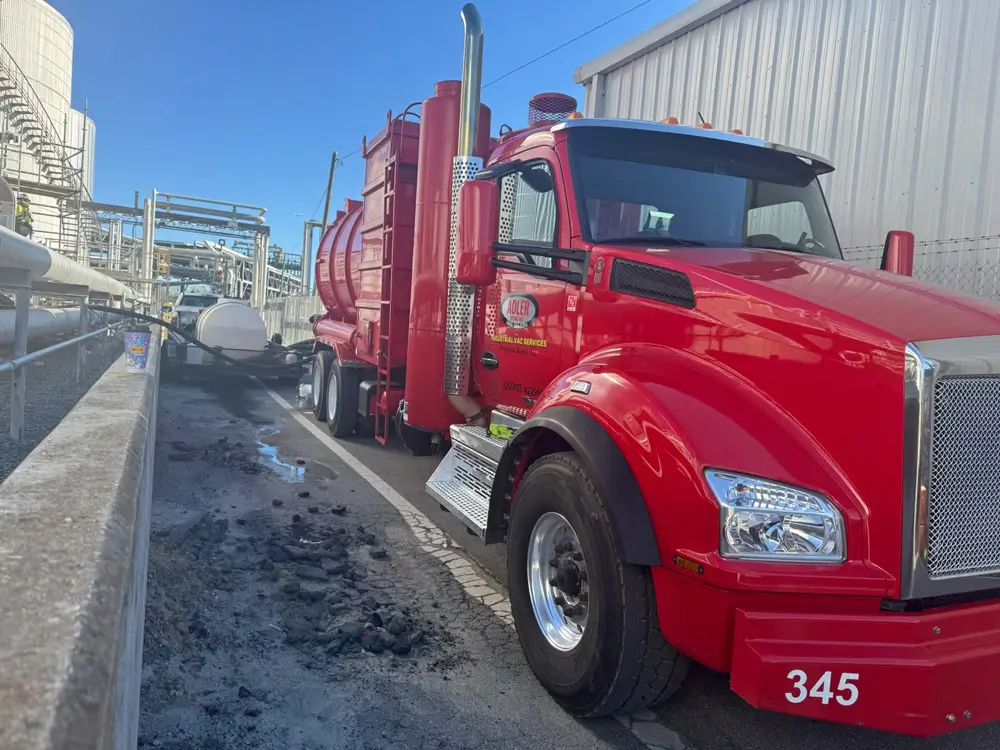
State-of-the-art vacuum trucks deliver reliable performance across diverse soil conditions. These systems feature improved pressure controls and efficient debris collection, addressing common hydro excavation challenges. The result? Less downtime and smoother project execution. For instance, high-capacity tanks – holding up to six times more material – reduce the need for frequent disposal trips. Precision controls help avoid damaging utilities, while advanced filtration systems streamline debris handling and cut down on maintenance interruptions.
| Feature | Benefit | Impact on Efficiency |
|---|---|---|
| High-Capacity Tanks | Hold 6× more material | Fewer disposal trips needed |
| Precision Controls | Fine-tuned pressure settings | Lower risk of utility damage |
| Advanced Filtration | Better debris handling | Reduced maintenance downtime |
These tools set the stage for success, but well-trained staff are essential to fully unlock their potential.
Thorough training ensures team members can use equipment effectively while following strict safety guidelines. Certifications in operating machinery, assessing soil types, and adhering to safety standards are critical for smooth and secure operations. Regular project reviews also play a key role in identifying challenges and finding ways to improve. When advanced technology is paired with skilled operators, hydro excavation projects consistently achieve faster and more accurate results.
To achieve success in hydro excavation, a well-rounded approach is essential. This involves using advanced equipment paired with consistent maintenance practices to minimize downtime and improve project efficiency. These strategies address the equipment, soil, and site-related challenges discussed earlier.
Here are three main focus areas to ensure efficiency and long-term success:
| Focus Area | Solution Impact | Long-term Benefit |
|---|---|---|
| Equipment Management | Preventive maintenance reduces downtime | Keeps project timelines on track |
| Staff Development | Certification programs enhance precision | Leads to better safety measures |
| Site Optimization | Careful planning ensures efficient resource use | Lowers overall costs |
Investing in proper training not only boosts efficiency but also improves site safety, as previously mentioned. These targeted strategies create a reliable framework for success in every project.
“With Adler, you will find a solutions-focused approach. Our team is always accessible and eager to respond to your needs. At every level of our organization, you will see a commitment to consistently high customer satisfaction. We are driven to be your single source for all your industrial cleaning needs.”
– Adler Vacuum Services
Choosing the right water pressure and temperature for hydro excavation depends largely on the type of soil you’re working with. For softer soils like clay or loose sand, lower pressure (around 1,500–2,000 psi) and cooler water (around 50–70°F) are typically sufficient to prevent damage to underground utilities. For harder, compacted soils like dense clay or frozen ground, higher pressure (up to 3,000 psi) and warmer water (around 120–150°F) may be needed to break through effectively.
Always consider the specific conditions of your project and consult your equipment’s user manual to avoid exceeding safe operating limits. Regularly inspect your tools to ensure proper calibration, and adjust settings as necessary to balance efficiency and safety.
To ensure safe and efficient hydro excavation operations, it’s essential to follow key safety protocols. Regular equipment inspections are crucial to identify and address potential issues before they lead to malfunctions. Operators should also wear appropriate personal protective equipment (PPE), such as hard hats, gloves, and safety goggles, to minimize the risk of injury.
When working near underground utilities, always locate and mark utility lines before starting excavation to avoid accidental damage. Additionally, maintaining proper communication among team members and adhering to site-specific safety guidelines can significantly reduce hazards. Prioritizing these measures helps create a safer work environment and ensures compliance with industry standards.
Seasonal weather changes can greatly influence hydro excavation operations, affecting soil conditions, equipment performance, and overall efficiency. For example, freezing temperatures in winter can cause soil to harden, making excavation more challenging, while heavy rainfall in spring may lead to waterlogged or unstable ground.
To maintain efficiency, consider winterizing your equipment to prevent freezing, using heated water systems for easier soil penetration, and adjusting excavation techniques based on soil conditions. In wet or muddy environments, ensure proper site drainage to minimize delays and safety risks. Adapting your approach to weather conditions can help keep projects on schedule and maintain safety standards.