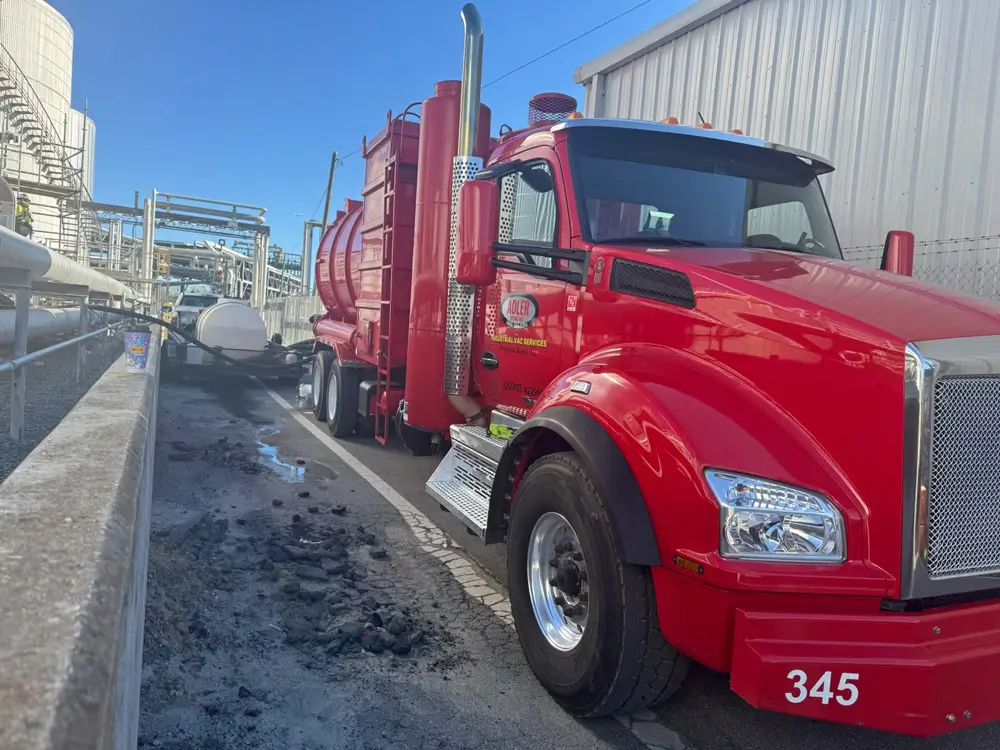
Environmental remediation requires careful planning, modern tools, and strict safety measures. Here’s a quick summary of the top practices for effective cleanup:
Quick Comparison of Hydro Excavation vs. Traditional Methods:
| Feature | Traditional Methods | Hydro Excavation |
|---|---|---|
| Excavation Approach | Manual digging | Pressurized water jet |
| Impact on Utilities | High risk of damage | Minimal risk |
| Environmental Impact | High soil disruption | Low disruption |
| Efficiency | Slower | Faster and precise |
| Safety | Higher risks | Safer for workers |
A detailed site evaluation is essential for identifying contamination, hazards, and shaping the cleanup strategy before any work begins. These steps ensure the remediation plan is customized to the specific conditions of the site.
Key Assessment Steps:
This step involves documenting surface conditions, nearby structures, and utility locations. Specialists use advanced mapping tools to create accurate site layouts, which are crucial for planning remediation effectively.
Soil samples are collected strategically to determine contamination levels, soil composition, groundwater interactions, and the presence of hazardous materials.
Geographic Information Systems (GIS) are used to:
Critical Risk Factors to Consider:
| Risk Category | Assessment Focus | Impact on Cleanup |
|---|---|---|
| Physical Hazards | Underground utilities, unstable soil, confined spaces | Guides equipment choices and safety protocols |
| Environmental Risks | Groundwater contamination, air quality, sensitive ecosystems | Determines containment and cleanup methods |
| Operational Challenges | Site access, weather, nearby activities | Affects project timeline and resource planning |
Including air quality and groundwater monitoring completes the site profile. This information helps select the right equipment – like specialized vacuum trucks for contaminated soil removal – ensuring both precision and safety in remediation efforts.
Documentation Checklist:
This thorough analysis enables teams to craft focused solutions while adhering to strict safety and environmental standards. The collected data also provides a baseline for tracking progress and confirming the success of the remediation process.
Modern cleanup equipment plays a crucial role in reducing site disruption while addressing contamination effectively. These tools are designed to align with the safe and tailored strategies outlined in site risk assessments.
Modern cleanup efforts rely on tools that include:
These features significantly improve the efficiency of hydro excavation systems.
Hydro excavation has become a preferred method for non-invasive soil removal, offering protection for nearby infrastructure. Here’s how it works:
| Feature | Standard Equipment | Modern Solutions | Impact on Cleanup |
|---|---|---|---|
| Storage Capacity | Basic | 6x larger capacity | Reduces disposal trips |
| Excavation Method | Traditional digging | Precision hydro excavation | Less site disruption |
| Material Handling | Basic containment | Advanced filtration | Better contaminant control |
Modern cleanup tools are versatile and can be applied to various scenarios, such as:
Selecting the right equipment depends on several factors:
Modern equipment is designed with integrated safety measures to protect workers and meet environmental standards, ensuring both efficiency and compliance during remediation projects.

After selecting the right equipment and conducting detailed site assessments, ensuring compliance with EPA regulations is a must for successful remediation efforts.
Federal regulations, including the Resource Conservation and Recovery Act (RCRA) and the Comprehensive Environmental Response, Compensation, and Liability Act (CERCLA), mandate several steps:
Maintaining accurate records is critical. Key documents include:
These records form the backbone of a strong compliance plan.
Timely submission of all documentation – covering assessments, progress updates, and final reports – is essential to meet regulatory deadlines.
Specific testing and monitoring standards include:
Keep all remediation records, site closure documents, hazardous waste manifests, and training logs as required by regulatory authorities.
Modern tools simplify compliance by connecting monitoring and reporting processes. Useful technologies include:
To stay on track with EPA rules, consider these practices:
A solid emergency plan should include:
Combining these emergency measures with compliance efforts ensures remediation projects stay on course without interruptions.
Using established methods ensures remediation efforts are both efficient and safe. By combining thorough site assessments with modern equipment, these methods deliver precise and effective results while adhering to strict protocols.
Hydro excavation stands out as a method for removing soil with precision. It’s a non-destructive process that targets specific areas while protecting surrounding structures.
These strategies not only reduce waste but also help protect the surrounding environment.
| Protection Area | Method | Benefit |
|---|---|---|
| Soil Structure | Targeted excavation | Maintains soil stability |
| Groundwater | Containment barriers | Stops contaminants from moving |
| Air Quality | Dust suppression | Limits particulate spread |
| Native Vegetation | Buffer zones | Safeguards local ecosystems |
Regular monitoring ensures these measures remain effective and can be improved as needed.
Tracking progress is crucial and includes activities like:
Modern tools streamline the remediation process, including:
Maintaining high standards depends on:
These methods work together to ensure remediation is efficient and minimizes environmental impact, laying the groundwork for successful site restoration.
Adhering to established methodologies and compliance standards, thorough safety checks and project tracking play a key role in keeping remediation efforts safe and on schedule. Proper training, certifications, and continuous monitoring help ensure worker safety while maintaining efficiency.
Creating a safe work environment begins with strong safety protocols. Here are some essential practices:
Modern tracking tools provide a clear view of both project progress and safety compliance. These systems are designed to:
These tools improve both efficiency and accountability. They also integrate with digital documentation systems to ensure updates are recorded promptly.
Advanced digital platforms streamline safety and compliance efforts by offering real-time updates, sending alerts when safety thresholds are breached, and maintaining detailed compliance records.
Every team member should hold the necessary certifications, such as OSHA HAZWOPER, confined space entry, or emergency response. This ensures everyone is prepared and qualified for the tasks at hand.
To complement tracking systems, regular reviews and inspections help confirm progress and maintain safety standards. Best practices include:
An effective emergency response plan is essential for managing unexpected incidents. Key components of a solid plan include:
These steps are integral to a successful and safe remediation process.
Hydro excavation uses pressurized water and a vacuum system to remove soil slurry, minimizing disruption and reducing structural risks. This method aligns well with the practices discussed earlier.
This approach allows for controlled and quicker excavation compared to older methods, without sacrificing quality or precision.
Using a focused water-jet and vacuum system, hydro excavation minimizes soil disturbance and avoids unnecessary damage. This makes it especially useful on sites with sensitive environments or historical importance, as it helps protect the surrounding area during work.
Hydro excavation reduces the risk of damaging underground utilities, making the worksite safer. Its precision-driven process ensures a more secure environment during remediation.
With digital controls and real-time monitoring, operators can adjust water pressure and vacuum power as needed, ensuring greater accuracy throughout the process.
By improving efficiency, hydro excavation lowers labor needs, speeds up restoration, and reduces overall costs. These advantages make it a practical choice for successful remediation projects.
The success of environmental remediation relies on combining modern technology, strict safety measures, and adherence to regulations. These key principles form the foundation of effective remediation efforts. By conducting thorough site assessments, using advanced tools, and following EPA guidelines, organizations can achieve successful outcomes while safeguarding both workers and the environment.
Hydro excavation and other established techniques provide precise control with minimal impact on the surrounding area. Some of the main benefits include:
While operational efficiency is important, safety takes precedence. Adopting rigorous safety standards and utilizing advanced tools ensures projects comply with regulations while maintaining accountability.
A strong remediation framework combines detailed site analysis, modern cleanup methods, and ongoing safety checks. This approach supports compliance with regulations and promotes eco-conscious practices.
Key areas to focus on include:
Hydro excavation offers several key advantages over traditional excavation methods in environmental remediation projects. By using pressurized water and a vacuum system, hydro excavation provides greater precision, reducing the risk of damaging underground utilities or sensitive environmental areas.
This method is also safer and more efficient, as it minimizes the need for heavy machinery and manual labor, resulting in less disruption to surrounding areas. Additionally, hydro excavation generates less waste material, making cleanup faster and more environmentally friendly. These benefits make it an ideal choice for projects requiring careful handling of contaminated sites or compliance with strict environmental regulations.
Adhering to EPA regulations is essential for ensuring the success of environmental remediation projects because these guidelines are designed to protect human health and the environment. Compliance helps prevent costly fines, legal issues, and project delays while promoting safe and sustainable practices.
Additionally, following these regulations ensures that remediation efforts meet required standards, leading to more effective outcomes. By aligning with EPA rules, professionals can build trust with stakeholders and demonstrate a commitment to environmental responsibility.
Worker safety is a top priority in environmental remediation projects. To ensure a safe work environment, it’s crucial to implement comprehensive safety protocols and provide proper training. Key measures include:
By prioritizing these measures, companies can protect their workers while maintaining compliance with safety regulations and ensuring project success.