Hydro excavation and mechanical digging are two common methods for excavation projects, each with its own strengths and weaknesses. Hydro excavation uses pressurized water and a vacuum for precise, low-impact digging, while mechanical digging relies on heavy equipment for fast, large-scale soil removal. Here’s a quick breakdown:
Quick Comparison:
| Criteria | Hydro Excavation | Mechanical Digging |
|---|---|---|
| Precision | High, avoids utility damage | Low, higher risk of damage |
| Safety | Safer, controlled digging | Riskier, heavy machinery |
| Efficiency | Best for precise tasks | Faster for large-scale jobs |
| Site Impact | Minimal disruption | Significant restoration needed |
| Cost | Higher upfront, lower repair | Lower upfront, higher repair |
Choose hydro excavation for projects requiring precision and minimal disruption, and opt for mechanical digging for quick, large-scale soil removal.
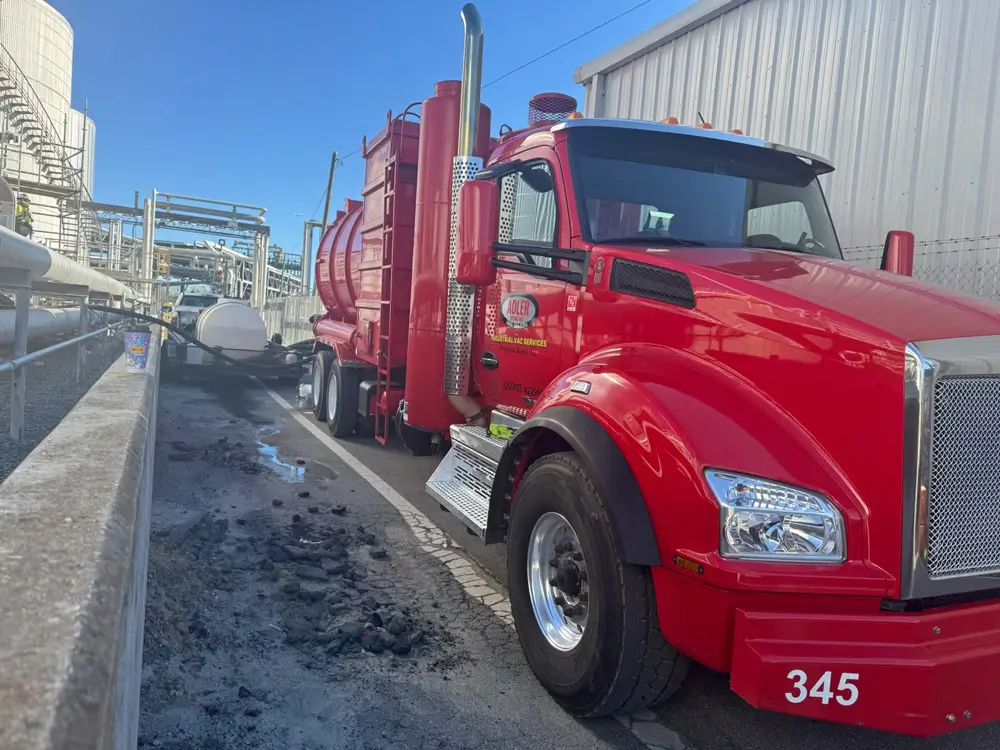
Hydro excavation relies on a truck-mounted system that uses high-pressure water to turn soil into a slurry. This slurry is then removed with an industrial vacuum. It’s commonly used for tasks that require precision, such as exposing utilities, trenching, potholing, or setting poles.
Mechanical digging, on the other hand, involves equipment like backhoes and excavators. These machines break up the soil, lift it, and transport it off-site. Afterward, the area is graded and leveled to complete the excavation.
Let’s break down how these methods compare in terms of process, safety, cost, and impact.
Hydro excavation uses pressurized water to break up soil, making it easier to remove. Adler‘s hydrovac trucks can carry up to six times more material compared to the typical industry trucks, which means fewer trips for disposal and less downtime on the job.
This method is more effective than mechanical digging when it comes to exposing utilities, trenching, and potholing. It works well in all types of conditions.
Hydro excavation minimizes the chances of hitting underground utilities or damaging infrastructure. Operators can control the depth and width of the dig with precision, improving safety on-site and helping meet compliance standards.
By digging with precision, this method reduces ground disruption, keeps the work area smaller, lowers the need for site restoration, and helps preserve nearby plants and trees.
Although hydro excavation may have higher upfront costs due to equipment and mobilization, the increased efficiency and reduced risk of damage help lower overall project expenses. Fewer trips, reduced labor, and minimized delays also contribute to cost savings.
Mechanical digging relies on heavy machinery to get the job done, focusing on power rather than precision.
This method uses equipment like backhoes, excavators, and trenchers. These machines break up and remove soil according to dig plans and marked utility lines. The process is then evaluated based on efficiency, safety, site impact, and overall costs.
Mechanical digging is ideal for moving large amounts of soil quickly, especially in open areas where precision isn’t a major concern.
The use of heavy machinery increases the risk of utility damage and workplace accidents due to the high-impact nature of the equipment.
This approach tends to disturb a larger area, leading to significant ground disruption. As a result, more time and effort are required to restore the site once the work is done.
While the equipment itself is less expensive upfront, additional costs can arise from extended restoration work and any repairs needed for damaged utilities.
| Criteria | Hydro Excavation | Mechanical Digging |
|---|---|---|
| Precision | Accurate and avoids damaging utilities | Less precise; higher risk of utility damage |
| Safety | Lower risk of accidents and utility strikes | Higher likelihood of accidents and strikes |
| Efficiency | Excellent for precise work; slower for bulk | Faster for large-scale soil removal |
| Site Impact | Minimal disruption; less restoration required | More disruptive; requires significant repair |
| Cost | Higher upfront costs; saves on repairs | Lower equipment cost; higher restoration costs |
This chart showcases how hydro excavation excels in accuracy, safety, and minimal site impact, making it ideal for sensitive projects. On the other hand, mechanical digging is quicker for large-scale jobs but comes with greater risks and restoration needs. The choice depends on the project’s size and complexity.
Deciding between hydro excavation and traditional digging depends on your project’s needs and the specific conditions of the site. Use the table below for a quick reference to help guide your decision.
Ideal Uses for Hydro Excavation:
Quick Decision Guide:
| Project Factor | Recommended Method | Reasoning |
|---|---|---|
| Presence of underground utilities | Hydro Excavation | Lowers the risk of damage |
| Sensitive environmental areas | Hydro Excavation | Limits impact to the site |
| Large-scale soil removal | Traditional Digging | Better suited for bulk tasks |