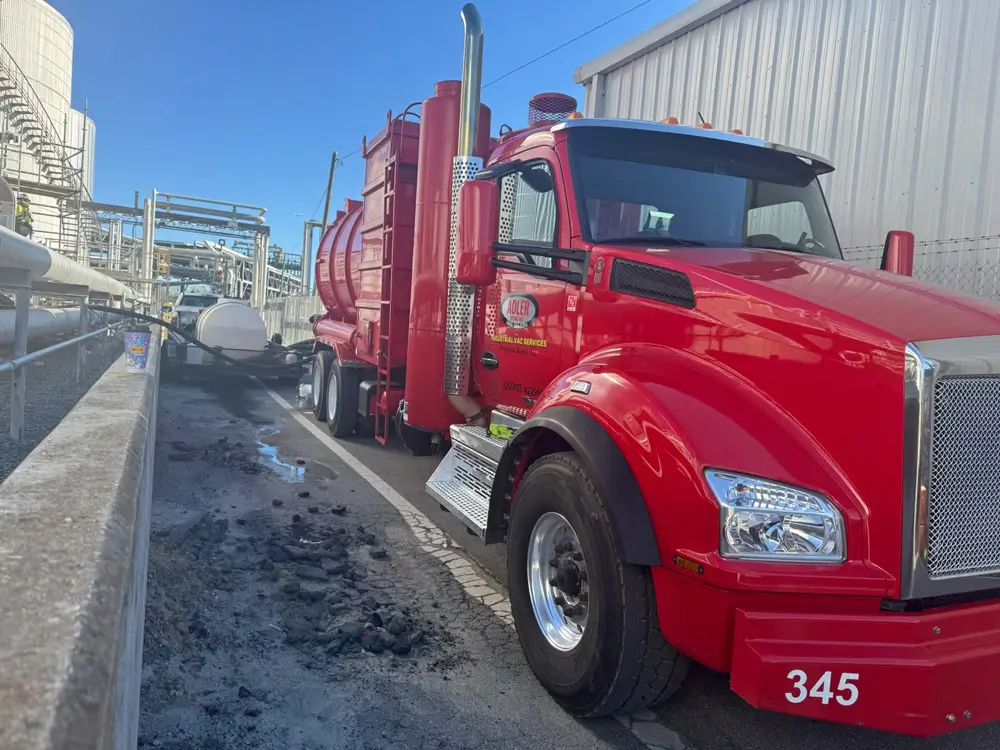
Hydro excavation is a safe, precise, and efficient method for pre-construction cleanup. It uses high-pressure water and a vacuum to remove soil and debris without damaging underground utilities. Here’s why it matters:
Hydro excavation is especially useful in winter, for dry soils, and in areas crowded with utilities. It’s a modern alternative to traditional digging, offering safety, speed, and environmental care.
Hydro excavation cleanup before construction requires careful planning, accurate execution, and proper waste management to ensure safety and efficiency.
Conducting a detailed site survey helps avoid damaging underground utilities. This process involves four levels of utility verification:
| Survey Level | Description | Key Activities |
|---|---|---|
| Desktop Study (QL-D) | Preliminary assessment | Review utility maps |
| Site Reconnaissance (QL-C) | Visual inspection | Identify manholes and validate existing data |
| Geophysical Survey (QL-B) | Advanced detection | Use tools like EML and GPR to locate utilities |
| Verification Survey (QL-A) | Physical confirmation | Perform trial excavations for accuracy |
Before starting excavation, contact 811 to mark utilities and use the American Public Works Association (APWA) color-coding system to identify underground infrastructure. Once utilities are mapped and verified, proceed with controlled excavation.
After excavation, managing the waste becomes a critical step.
Proper waste handling ensures compliance with regulations and helps optimize costs. The disposal method should depend on the material’s type and level of contamination:
| Method | Benefits | Considerations |
|---|---|---|
| On-site Processing | Reduces costs and allows reuse | Requires containment systems |
| Off-site Disposal | Suitable for contaminated materials | Involves higher transport expenses |
| Water Recycling | Saves resources by reusing water | Needs filtration systems |
| Material Recovery | Diverts up to 85% of waste from landfills | Requires sorting and processing |
For contaminated materials, perform thorough testing and classification before disposal to meet regulatory standards and maximize material recovery.
Hydro excavation stands out as an efficient and precise method for pre-construction cleanup, offering a safer and more effective alternative to traditional digging techniques.
One of hydro excavation’s biggest advantages is its focus on safety. Unlike mechanical digging methods, this approach uses pressurized water to carefully expose underground utilities, significantly lowering the risk of accidents. According to the Common Ground Alliance (CGA) DIRT Report, unsafe digging practices are a leading cause of utility strikes, which can result in costly repairs and delays.
| Safety Aspect | Benefit | Result |
|---|---|---|
| Utility Protection | Precise water pressure avoids damaging underground utilities | Reduces costly repairs and project delays |
| Worker Safety | Remote operation keeps crews away from hazards | Minimizes workplace injuries |
| Site Stability | Controlled excavation helps prevent cave-ins | Maintains structural integrity |
| Emergency Prevention | Non-sparking equipment and water-based approach minimizes fire risks | Helps mitigate emergency situations |
By avoiding the use of heavy machinery, hydro excavation ensures that utilities like gas lines remain intact, reducing the likelihood of incidents like gas leaks. This method not only protects workers but also safeguards the site itself, as outlined in the next section.
Hydro excavation is also gentle on the environment, making it a preferred choice for preserving the natural state of a construction site. Its precise process minimizes soil disturbance and protects nearby vegetation, offering several ecological benefits:
These features not only benefit the environment but also streamline the construction process, reducing the need for extensive site restoration.
Hydro excavation doesn’t just prioritize safety and environmental care – it also saves time and money. By combining water pressure and vacuum technology, this method speeds up the excavation process while cutting down on labor costs. Here’s how it adds value:
While the upfront cost of hydro excavation may be higher, the long-term savings from reduced risks, faster completion, and minimal restoration make it a smart investment. Its precision ensures projects stay on track without compromising safety or quality.
Adler Hydro Vac integrates these benefits into its services, offering a safe, efficient, and environmentally responsible solution for pre-construction cleanup needs.
Hydro excavation stands out as a reliable solution for tackling tough pre-construction cleanup challenges, offering both safety and efficiency in demanding conditions.
Preparing a site in freezing temperatures can be a real hurdle. However, hydro excavation simplifies the process by using heated water to thaw frozen ground, eliminating the need for traditional thawing techniques. Hydrovac units can operate as far as 600 feet away from the actual dig site, making it possible to access remote or hard-to-reach locations.
Dealing with dry, compacted soils? High-pressure water efficiently breaks down and removes these materials, and heated water can further speed things up. In cases where water exposure needs to be minimized, air excavation offers an alternative. By using compressed air, this method preserves soil for reuse and allows for precise utility exposure.
To complement these specialized excavation techniques, Adler Hydro Vac provides precise and efficient hydro excavation services tailored to pre-construction needs. Their offerings include:
Hydro excavation proves especially effective in areas crowded with utilities. Its precision and speed can make excavation up to four times faster than manual digging, all while maintaining top-tier safety standards.
This advanced digging technique uses a combination of pressurized water and powerful vacuum systems to prepare construction sites in a way that’s both safe and efficient.
Here are the key advantages:
Incorporating these practices into your planning can help make your project run smoothly from start to finish.
If you’re considering Adler Hydro Vac for pre-construction cleanup, here’s how to get started:
Adler Hydro Vac supports you at every step, helping you stay aligned with local regulations and environmental standards.
Hydro excavation offers a cleaner, safer, and more precise way to dig compared to traditional methods. Instead of relying on heavy machinery that can disturb large areas and lead to soil erosion, this method uses pressurized water to break up soil. The loosened soil is then vacuumed into a debris tank, keeping the process tidy and reducing the impact on the surrounding environment. This approach helps prevent runoff and safeguards nearby ecosystems.
When it comes to efficiency, hydro excavation shines in areas with underground utilities. Its precision significantly lowers the chance of damaging buried infrastructure, which means fewer costly repairs and project delays. Plus, with faster project timelines and less labor needed, it’s an economical choice for preparing sites before construction begins.
Hydro excavation relies on strict safety practices to protect both workers and underground utilities. Before any work begins, crews locate and mark underground utilities to prevent accidental damage. By using pressurized water and vacuum technology, this method minimizes the risk of harm to buried infrastructure compared to traditional digging techniques.
To ensure safety on-site, workers undergo thorough training on equipment use and safety protocols. They’re also equipped with essential personal protective gear, including hard hats, high-visibility clothing, and steel-toed boots. Daily safety briefings reinforce these practices, while emergency response plans are in place to handle unexpected situations quickly. These measures make hydro excavation a safer and more reliable option for tasks like pre-construction cleanup.
Hydro excavation waste, a mix of soil and water, is handled with methods that emphasize safety, efficiency, and meeting regulatory standards. One approach is on-site dumping in designated, approved areas. This method can be cost-efficient and helps limit the environmental footprint by reducing transportation needs. Alternatively, when on-site disposal isn’t an option, the waste is transported to off-site treatment facilities or landfills for proper handling.
Another option gaining traction is recycling. Wastewater can be treated and reused directly on-site, reducing the need for fresh water. Additionally, some facilities process the slurry to extract reusable materials like sand and aggregates. This not only cuts down on waste but also creates opportunities to repurpose materials, aligning with sustainability goals and improving operational efficiency.