Hydro excavation in confined spaces is risky, with a 112% higher fatality rate than general construction. To stay safe, you need the right tools and protocols. Here’s a quick breakdown:
Takeaway: Combine entry systems, gas detectors, and PPE with proper training to reduce risks and improve efficiency in confined space hydro excavation.
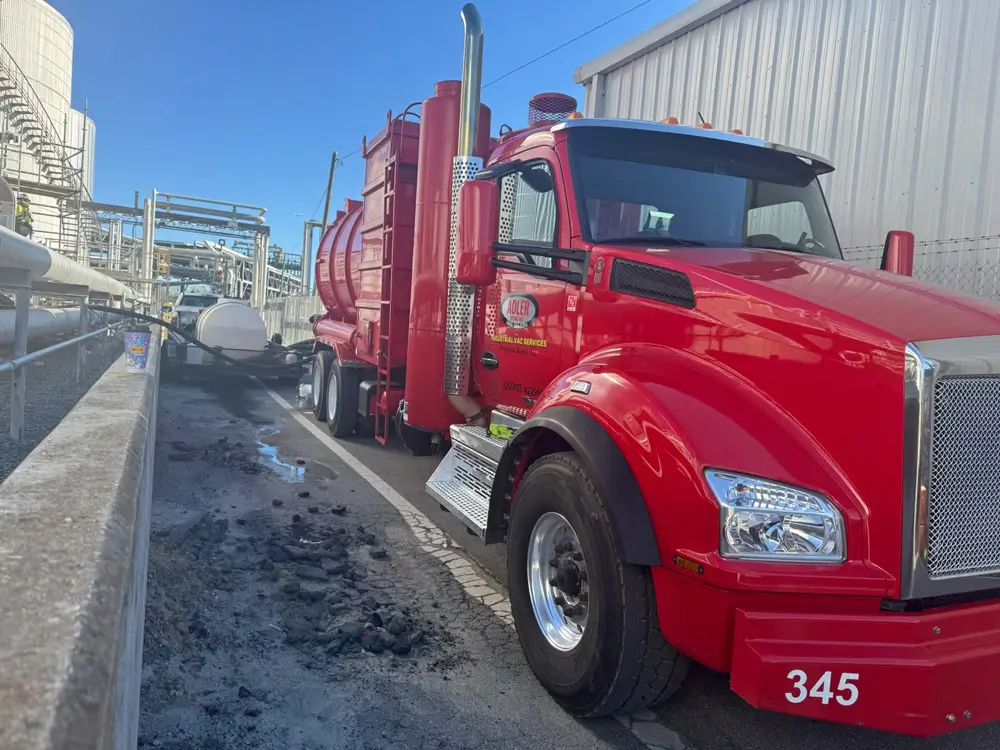
Adler Hydro Vac prioritizes safety in confined spaces by combining cutting-edge technology with strict safety protocols. Their approach blends preventive measures with quick emergency response, ensuring a secure work environment.
At the heart of their safety strategy is a detailed pre-job safety analysis, complemented by daily team briefings to maintain open communication and awareness. Their advanced technology plays a significant role in enhancing safety, featuring:
Safety Feature | Benefit | Impact |
|---|---|---|
| Remote Excavation Capability | Keeps workers out of hazardous areas | Reduces the need for confined space entry |
| High-Pressure Water System | Breaks up soil without mechanical force | 10× faster than traditional methods |
| Precision Control | Prevents damage to utilities and infrastructure | Lowers workplace incidents |
| Vacuum Technology | Removes debris instantly | Maintains a clean and safe workspace |
Their safety measures also include continuous hazard assessments and certified rescue technicians on standby, ensuring operations are safeguarded at every step.
Adler Hydro Vac’s system not only meets but surpasses OSHA standards. Their comprehensive training covers confined space entry, emergency response, equipment operation, and hazard identification, making their methods highly effective even in the toughest conditions.
By using high-pressure water to loosen soil and vacuum technology for immediate debris removal, they significantly reduce risks. This approach also minimizes the environmental footprint while being four times more cost-efficient than traditional methods.
Regular performance reviews keep their practices aligned with evolving industry standards. This balance between worker safety and operational efficiency makes Adler Hydro Vac’s system a benchmark for confined space safety, setting the stage for comparisons with other entry systems in the industry.
When it comes to hydro excavation in confined spaces, tripods and davit arms each bring their own set of strengths to the table. Knowing the differences can help you choose the right equipment for maintaining safety and efficiency on the job.
Here’s a breakdown of how these two systems compare:
Feature | Tripods | Davit Arms |
|---|---|---|
| Height | Over 9 feet tall | Adjustable height |
| Access Points | Covers three sides | Covers a single side |
| Setup Area | Requires a larger footprint | Compact base installation |
| Stability | Three-point support system | Single-point mounted system |
| Maneuverability | Fixed position once set | Swivel capability available |
| Primary Use | Vertical access points | Extended reach over edges |
Tripods are built for stability and straightforward vertical access. Their three-leg design includes locking legs with detent pin adjustments, quick-mount brackets, safety chains to prevent movement, and skid-resistant soles for added grip. These features make tripods a reliable choice for confined spaces with vertical entry needs.
On the other hand, davit arms shine in situations that require more flexibility. They’re designed for offset operations, offering features like an adjustable offset upper mast, integrated primary and secondary pulleys, a quick-mount winch SRL bracket, and a secondary fall arrest anchor point. These additions make davit arms especially useful for spaces where a tripod might not fit or provide adequate reach.
Gas detection systems play a critical role in ensuring safety during confined space hydro excavation. By combining different sensor technologies, these systems provide thorough atmospheric monitoring and precise measurements, linking equipment performance directly to safety.
The efficiency of these systems depends on the sensor technology used, each offering distinct advantages:
Sensor Type | Response Time | Accuracy | Detection Range | Calibration Frequency |
|---|---|---|---|---|
| Electrochemical | 15–50 seconds | ±2% of range | Gas-specific | Every 6 months |
| Pellistor | <10 seconds | ±2% LEL | 0–100% LEL | As needed |
| Infrared (NDIR) | 15 seconds | ±2% of range | 0–100% volume | Every 2 years |
| Ultrasonic | <1 second | N/A | 13–65 feet radius | Minimal |
This table highlights the key features of various sensor types. Among these, electrochemical sensors are especially valuable for confined space work because they can detect multiple gases simultaneously. They are highly effective in monitoring critical gases such as carbon monoxide (CO), hydrogen sulfide (H₂S), and oxygen (O₂) with high precision.
The growing focus on worker safety is evident in the gas detection market, which has expanded from $4.7 billion in 2023 to a projected $10.2 billion by 2033.
Non-Dispersive Infrared (NDIR) sensors are another reliable option for confined spaces. With a lifespan of about 5 years and calibration needed only every 2 years, these sensors can detect gases consistently within a range of 0–2,000 ppm.
Photo Ionization Detector (PID) sensors are particularly effective for detecting Total Volatile Organic Compounds (TVOCs). Their operational ranges of 0–30 ppm and 0–300 ppm make them ideal for identifying organic vapors that could accumulate during hydro excavation operations.
To maximize safety, modern gas detection systems come equipped with essential features such as:
Routine calibration and maintenance are crucial to keeping these systems accurate and compliant with OSHA standards. These advanced detection tools are an integral part of a comprehensive safety strategy for confined space operations.
When working in hydro excavation within confined spaces, having the right safety equipment is non-negotiable. This comparison looks at key equipment based on entry performance, gas detection capabilities, and cost efficiency.
Feature | Tripod Systems | Davit Arms |
|---|---|---|
| Best Application | Best suited for manholes and easily accessible entries | Designed for trench applications |
| Fall Protection | Basic fall protection | Offers advanced fall protection |
These comparisons highlight the strengths of each system. Notably, advancements in davit arm technology have introduced a 40-pound trench box adapter with an adjustable width ranging from 2 to 10.5 inches.
System Type | Coverage | OSHA Compliance |
|---|---|---|
| 4-Gas Monitor | Detects O₂, CO, H₂S, and combustible gases | Full |
| Single Gas Monitor | Monitors specific gases | Partial |
Proper air quality in confined spaces is critical for safety. According to OSHA, oxygen levels must stay between 19.5% and 23.5% to ensure a safe working environment.
While safety is paramount, cost efficiency also plays a major role in determining the best approach.
These comparisons make it clear: combining modern safety equipment with hydro excavation not only boosts worker safety but also improves operational efficiency. Regular calibration of equipment remains a crucial step in maintaining these benefits.
Based on the equipment comparison results, here’s a practical guide to setting up the safest configurations for confined space hydro excavation.
Space Type | Primary Equipment | Supplementary Needs |
|---|---|---|
| Vertical Entry (Manholes) | Tripod System + 4-Gas Monitor | Chain/Bar Connection, Non-conductive Coating |
| Horizontal Entry (Trenches) | Davit Arm + 4-Gas Monitor | None |
| General Confined Spaces | Personal Gas Detector | Remote Sampling Pump |
These setups are designed to align with the equipment performance comparisons outlined earlier, ensuring a consistent and reliable safety framework.
To maximize safety during confined space operations, follow these key practices:
Pre-Entry Requirements
Operational Safety
Adapt operations to weather conditions by securing equipment during high winds, wearing slip-resistant footwear in wet conditions, and halting work during lightning storms.
Equipment Maintenance Protocol
Tripods and davit arms play crucial roles in maintaining safety during hydro excavation in confined spaces, each tailored to different tasks.
Tripods are known for being lightweight, portable, and simple to set up. With their three-legged design, they create a stable anchor point for safety harnesses, making them a go-to solution for non-entry rescue scenarios or situations that demand quick deployment. Their compact size is a big advantage, especially on tight or temporary job sites.
Davit arms, however, are built for more heavy-duty tasks like lifting and lowering personnel or equipment. Featuring an adjustable swing arm, they offer more flexibility in positioning and can handle heavier loads. Davit systems shine in spaces where tripods might not fit or when a stronger lifting system is required.
Choosing between a tripod and a davit arm comes down to the job’s specific requirements, including space limitations, weight capacities, and the nature of the work being performed.
Gas detection systems are essential for maintaining safety during hydro excavation in confined spaces. They work by continuously monitoring the air for hazardous gases such as hydrogen sulfide (H₂S), carbon monoxide (CO), and methane. These gases can pose serious health threats and significantly increase the risk of explosions. By identifying these dangers early, workers can respond quickly, minimizing risks and promoting a safer work environment.
When it comes to confined spaces, electrochemical sensors are particularly effective for detecting toxic gases, while infrared sensors excel at spotting combustible gases. To cover all bases, multi-gas detectors are highly recommended, as they can monitor several types of gases simultaneously. These devices are crucial for ensuring both safety and regulatory compliance during hydro excavation activities.
Hydro excavation stands out as a safer and more efficient alternative to traditional digging methods, thanks to its precision and non-invasive approach. By utilizing high-pressure water and a vacuum system, this method allows for precise soil removal while significantly reducing the chances of damaging underground utilities like gas lines, water pipes, or electrical cables. This not only cuts down on expensive repairs but also boosts safety for workers and the surrounding area.
Another key benefit is its speed and reduced reliance on manual labor compared to conventional digging. This increased efficiency translates to lower labor costs and shorter project timelines, making it a more budget-friendly option. Plus, its ability to operate effectively in tight or hard-to-reach spaces further emphasizes why hydro excavation is often the preferred choice over traditional methods.